
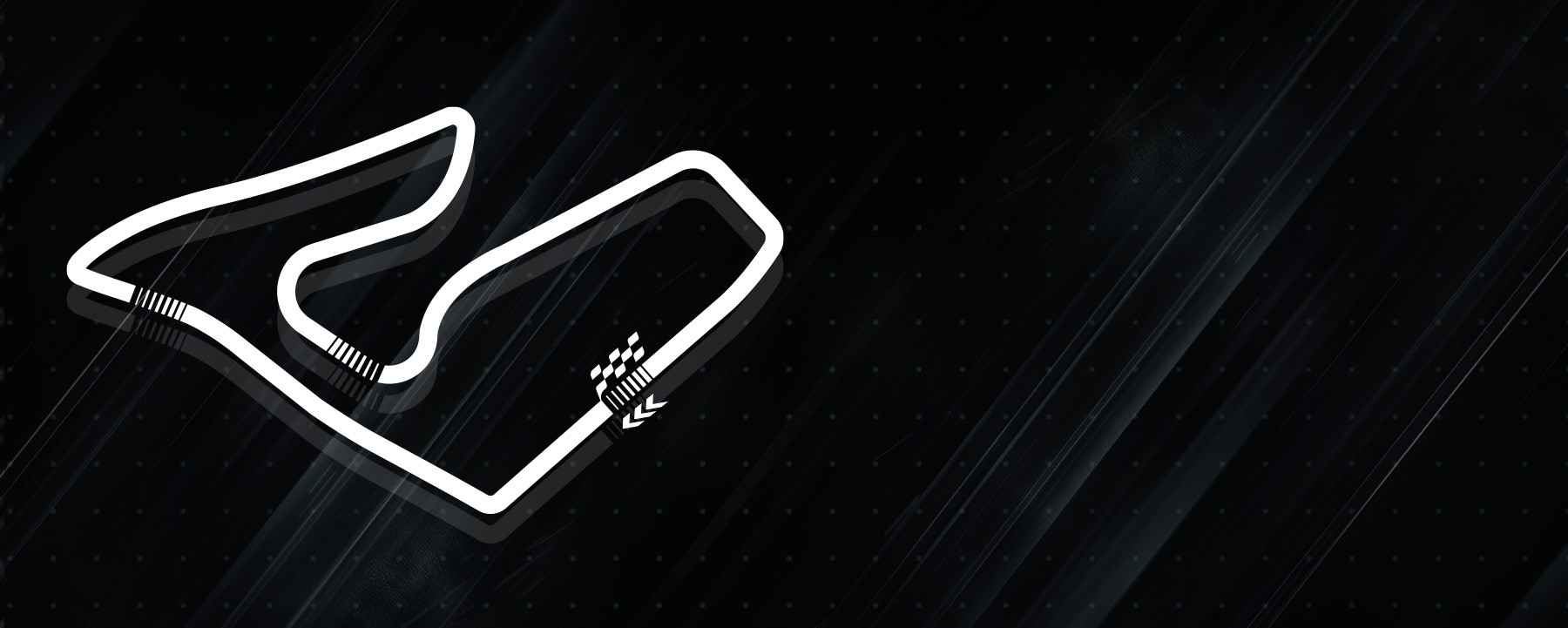
Formula 1 heads to Red Bull’s home turf this weekend, as teams compete in the Austrian Grand Prix at the Red Bull Ring, a 4.326 km circuit with just ten corners. The Austrian track is fast, characterised by elevation changes and heavy braking, and sits 660 metres above sea level. It is a so-called ‘stop and go’ layout, where braking and acceleration phases follow in quick succession.
At Spielberg, Pirelli will bring the softest compounds in the range: C3, C4 and C5. Wear is not a decisive factor in Austria, where degradation is mainly thermal in origin. The asphalt is several years old and therefore features high levels of micro- and macro-roughness which, in itself, generates heat in the tyres.
Grip is good thanks to the rubber laid down by the numerous motorsport events hosted by the circuit throughout the year and improves over the course of the weekend, as the track evolves significantly and enhances car performance.
The traction zones also place stress on the rear tyres, which are more prone to degradation. However, drivers will need to pay attention to the front axle under downhill braking. The Red Bull Ring has an elevation change of 63 metres, making it the second circuit for altitude variation. The new power units could deliver enough power to induce locking precisely under these downhill braking phases.
Another key aspect relates to the circuit’s altitude. At over 600 metres, the thinner air results in lower downforce on the cars, which may lead to increased tyre slip.
Last year, most teams completed the race with two pit stops and all three nominated compounds were used during the Grand Prix. With the greater consistency of the current tyres, a stronger trend towards a one-stop strategy could be expected.
Temperatures will also be a factor. In late June they could be high, approaching Barcelona levels. However, the circuit is located in a mountainous area of Styria and the surrounding forests can sometimes create conditions for sudden changes in weather.
‘;