
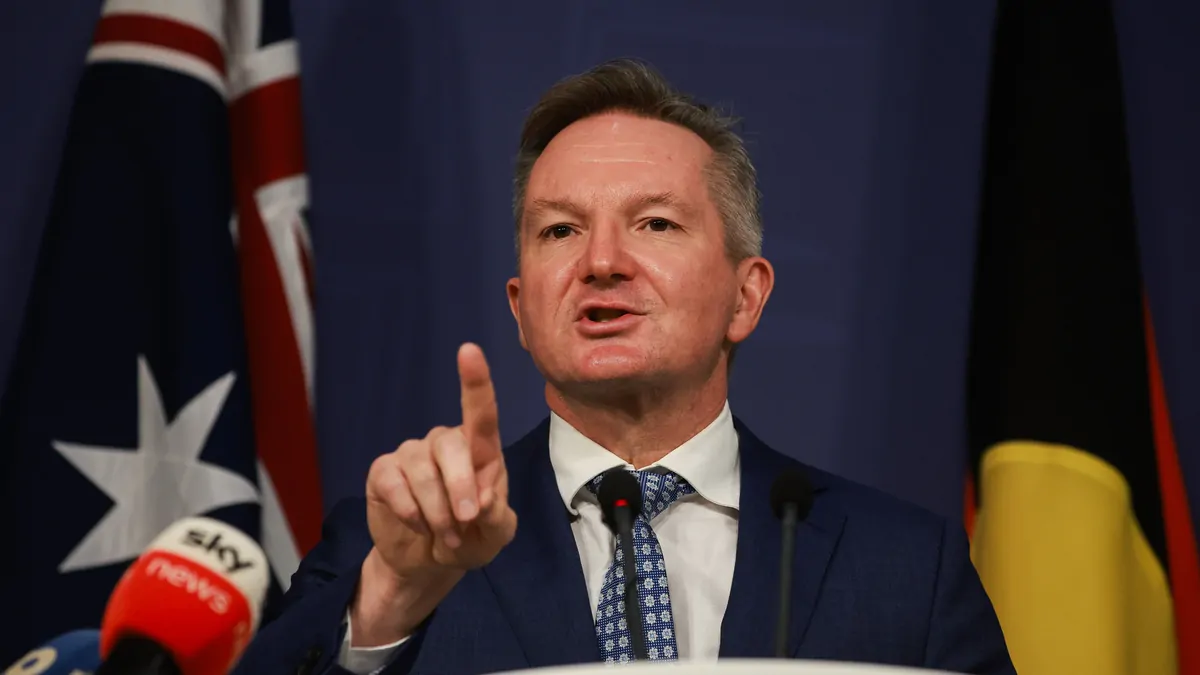
Treasurer Jim Chalmers has blamed the war in the Middle East for a rise in underlying infaltion after new figures showed price pressures remain stubbornly high despite months of efforts to bring them under control.
Data released on Wednesday revealed headline inflation eased from 4.2 per cent to 4.0 per cent in the year to May. But the more significant trimmed mean measure of inflation rose to 3.6 per cent from 3.4 per cent, exceeding forecasts and dealing a blow to hopes that infaltion was continuing to trend lower.
When asked about the figures, Dr Chalmers argued global events were addding to existing infaltion pressures, singling out the Middle East conflict as a key driver.
“We already had an inflation challenge in our economy, but the war in the Middle East is making inflation higher than it would otherwise be,” he told reporters in Canberra.
“You can see that the initial impact on inflation came from the conflict when it came to fuel, but we see it broadening a bit today in other areas, including most especially dwelling construction costs,” he told reporters in Canberra.
“Automotive fuel fell, 11.9 per cent in the month, but was still 7.7 per cent higher in through the year terms.
“So that extension of the fuel excise relief, in a tapered way, provides cost of living help, it recognises that there’s still some uncertainty in the Middle East, and that the costs and consequences of that war will play out for some time.”