
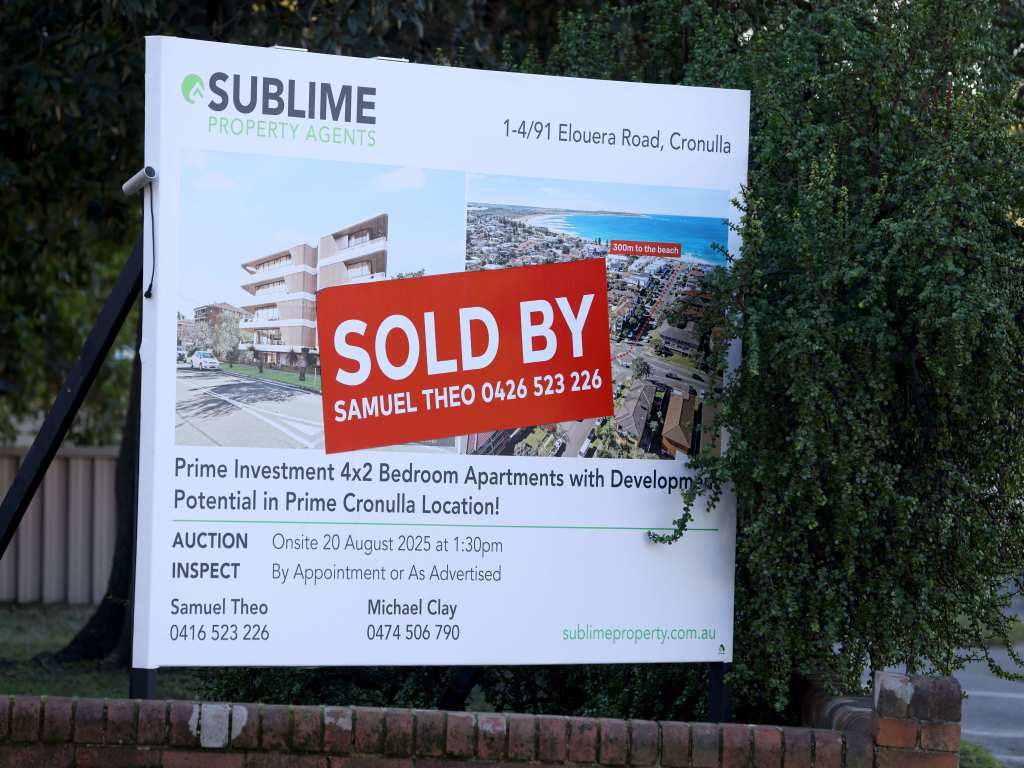
A major rule change for buying and selling houses has rolled out, in a government bid to crackdown on money laundering and terrorism financing.
The rule coincides with a list of other changes moving ahead for housing and real estate across Australia.
From Wednesday, those looking to buy or sell a property will need to present a passport or driver’s license to the real estate agent in order to proceed.
The change comes under the government’s anti-money laundering laws and counter-terrorism financing (AML/CTF) reform.
Real estate agents will be expected to take relevant steps to verify the identity of buyers and sellers and escalate situations that cause concern.
Agents are also expected to request more information from “higher risk” individuals, including proof of source of funds and source of wealth.
Suspicious activity will need to be reported to the regulator AUSTRAC, which previously estimated that more than $1 billion is being laundered through Australian real estate.
“Much of the money being laundered through our systems is linked to harmful crime like illicit tobacco, environmental destruction, corruption, child exploitation and human trafficking,” AUSTRAC shared on its site.

Precious stone dealers, lawyers and accountants are among the other professionals expected to check identifications during interactions with customers, even if they are long-term customers.
The changes sit alongside Victoria’s rental bond changes, which also came to fruition on Wednesday.
Renters in Victoria will now be able to transfer an existing rental bond directly to a new rental property, so that they do not have to go out of pocket while changing rental properties.
From October, estate agents and landlords in Victoria will need to provide evidence for any deduction claims on a bond at the end of a lease.
Buyers across popular Australian cities have been few and far between in recent weeks, with auction clearance rates hitting a six-year low in Sydney last week and a five-year low in Melbourne.
Certain areas, like the Central Coast, saw just a 26 per cent auction success rate – well below the balanced market standard of 60 per cent.