
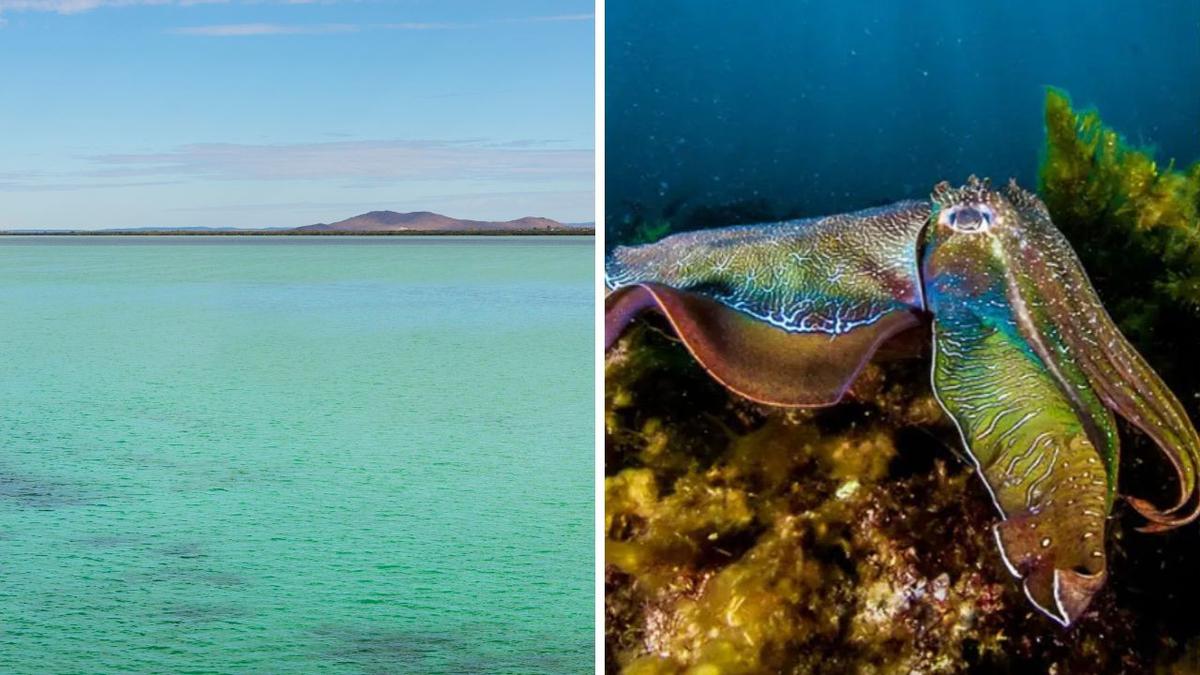
An iconic coastline that is popular with boating, snorkeling and swimming is being closed for three months to help protect a marine creature.
A sweeping exclusion zone will be activated between Black Point and Stony Point on South Australia’s upper Spencer Gulf, which contains the only known breeding ground of giant Australian cuttlefish.
The blockage will ban all in‑water recreational activity across the creature’s sanctuary zone for 90 days from Wednesday.
Know the news with the 7NEWS app: Download today Arrow
Environment and Tourism Minister Emily Bourke said the emergency closure was necessary after the latest survey revealed “significantly low” numbers, with divers reporting only the occasional cuttlefish in areas that are usually packed with males competing for mates.
“Safeguarding these amazing creatures is critical,” she said.
“This temporary closure gives them the best chance to breed and thrive at a time when numbers are considerably lower than previous years.”
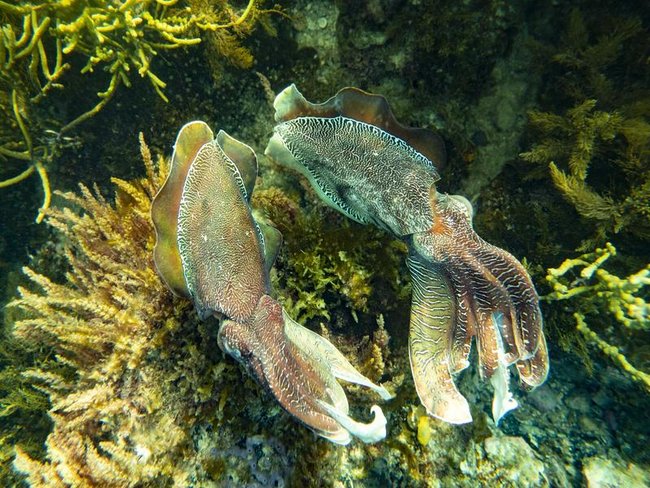 Giant cuttlefish gather in the Upper Spencer Gulf in South Australia to breed each winter. Credit: AAP
Last year’s official count recorded around 64,000 cuttlefish off Whyalla. This season, fewer than 50 have been seen.
The ban in the area covers swimming, snorkelling, diving, vessel anchoring and all tour operations inside the zone.
Operators will still be able to run tours at Point Lowly, outside the restricted area.
A tourism boating operator, Matt Waller has stopped their tour season amid dwindling cuttlefish numbers.
“At the end of the day, we run a business, and we run the risk when we work with the environment; we have good years and bad years … We take onboard those losses because we think it’s important,” he told 891 ABC Adelaide.
“It’s difficult, not everyone agrees on the whole process, but everyone does unanimously agree these cuttlefish need to be protected.”
Authorities warn breaches could attract heavy penalties, ranging from warnings to fines of up to $100,000.
The decision follows meetings with tour operators, divers and Whyalla City Council, with the government saying the ban could be lifted early if numbers rebound.
Whyalla Mayor Phill Stone said the move was disappointing for businesses but necessary.
“If there’s a major issue, they need protection. They need us to stay away from them,” he said.
“Everyone has to roll with the punches — we can’t argue with nature.”
Marine scientists say several environmental factors may be behind the collapse, including warmer water, food availability and the recent algal bloom that spread across northern gulf waters during December and January.
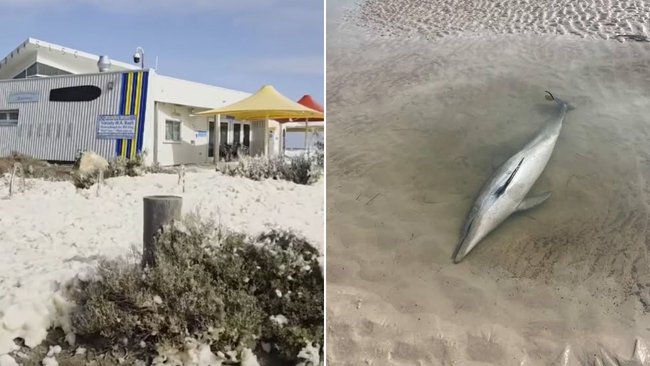 Seafoam and dead marine life has been a common sight across SA coastlines since March 2025 Credit: 7NEWS
The algal bloom affecting the Spencer Gulf and most South Australian coastlines has been ongoing since March 2025 and has been one of the longest‑running and most destructive events recorded in South Australia.
Over the past year, thick green water has repeatedly blanketed large sections of the northern gulf, triggering an estimated 600,000 fish deaths and prompting warnings from authorities as dead fish washed ashore and water quality deteriorated.
Experts told 7NEWS the bloom thrived under warm conditions and nutrient‑rich water, allowing algae to multiply rapidly and persist far longer than typical seasonal events.
Professor Mike Steer from SARDI said the population was lower than expected and that closure may bring the population back up
“The divers came back last week — we’ve seen significantly reduced numbers, in fact just the odd cuttlefish here and there,” he said.
Steer said protecting eggs and hatchlings was now the priority.
“What we want to do is encourage the small amount of spawning that’s happening. The best thing we can do is leave them undisturbed.”
Despite the grim start, scientists say the species has bounced back before — recovering within three years after a dramatic crash in 2013.
Tour operators impacted by the shutdown will be able to apply for the government’s algal bloom small‑business support grant.
Cop lets loose with ‘pork chop’ spray on alleged youth criminals
1 min read
Baby killed in major Ukrainian drone strike
2 min read