
As hot temperatures pummel central Iowa, you may be more likely to experience heat-related side effects on certain medications.Leslie Herron, owner of Sumpter Pharmacy in Adel, says she sees it all the time: people on selective serotonin reuptake inhibitors, or SSRIs, are more likely to experience side effects like excessive sweating.”Because they impact the same part of our brain, the temperature regulation comes from, it can lower our ability to cool ourselves,” Herron said.SSRIs are some of the most commonly prescribed drugs in the United States. They’re frequently used to treat depression, anxiety, or obsessive-compulsive disorder. But they’re not the only medications that could make it harder to take the heat. Diuretic medications, which are often used to treat hypertension or edema, can cause you to lose water more quickly, thus causing dehydration.ADHD medications also have the potential to increase your internal body temperature. Herron says many times, people on these medications don’t realize they’re at a higher risk of heat-related illness.”In increased heat, you just think, well, it’s hot out,” she said. “But those of us that take those medications are at a greater risk of those side effects and a greater risk of falling victim to things like heat stroke, heat exhaustion.”Extreme heat also has the ability to impact the medication itself. If stored in a place that’s too hot or too humid, like bathrooms, cars, or purses, medications could break down and become less effective over time. Herron recommends keeping medications in a cool, dry place, like an insulated bag. However, you should not put your medication in the refrigerator unless directed to do so by a medical professional. But the piece of advice Herron emphasized the most: don’t skip your medications to try to skip out on side effects. SSRIs, antipsychotics, or blood pressure medications are not intended to be stopped abruptly. If you’re looking to get off a medication, always talk to a healthcare professional first.
ADEL, Iowa —
As hot temperatures pummel central Iowa, you may be more likely to experience heat-related side effects on certain medications.
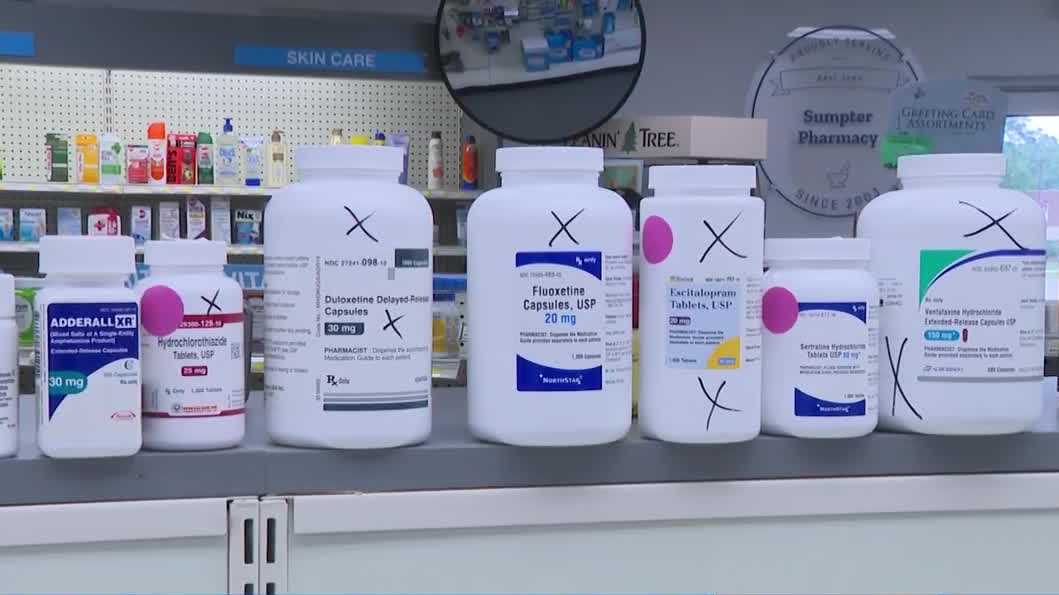
Leslie Herron, owner of Sumpter Pharmacy in Adel, says she sees it all the time: people on selective serotonin reuptake inhibitors, or SSRIs, are more likely to experience side effects like excessive sweating.
“Because they impact the same part of our brain, the temperature regulation comes from, it can lower our ability to cool ourselves,” Herron said.
SSRIs are some of the most commonly prescribed drugs in the United States. They’re frequently used to treat depression, anxiety, or obsessive-compulsive disorder.
But they’re not the only medications that could make it harder to take the heat. Diuretic medications, which are often used to treat hypertension or edema, can cause you to lose water more quickly, thus causing dehydration.
ADHD medications also have the potential to increase your internal body temperature.
Herron says many times, people on these medications don’t realize they’re at a higher risk of heat-related illness.
“In increased heat, you just think, well, it’s hot out,” she said. “But those of us that take those medications are at a greater risk of those side effects and a greater risk of falling victim to things like heat stroke, heat exhaustion.”
Extreme heat also has the ability to impact the medication itself.
If stored in a place that’s too hot or too humid, like bathrooms, cars, or purses, medications could break down and become less effective over time. Herron recommends keeping medications in a cool, dry place, like an insulated bag. However, you should not put your medication in the refrigerator unless directed to do so by a medical professional.
But the piece of advice Herron emphasized the most: don’t skip your medications to try to skip out on side effects. SSRIs, antipsychotics, or blood pressure medications are not intended to be stopped abruptly. If you’re looking to get off a medication, always talk to a healthcare professional first.