
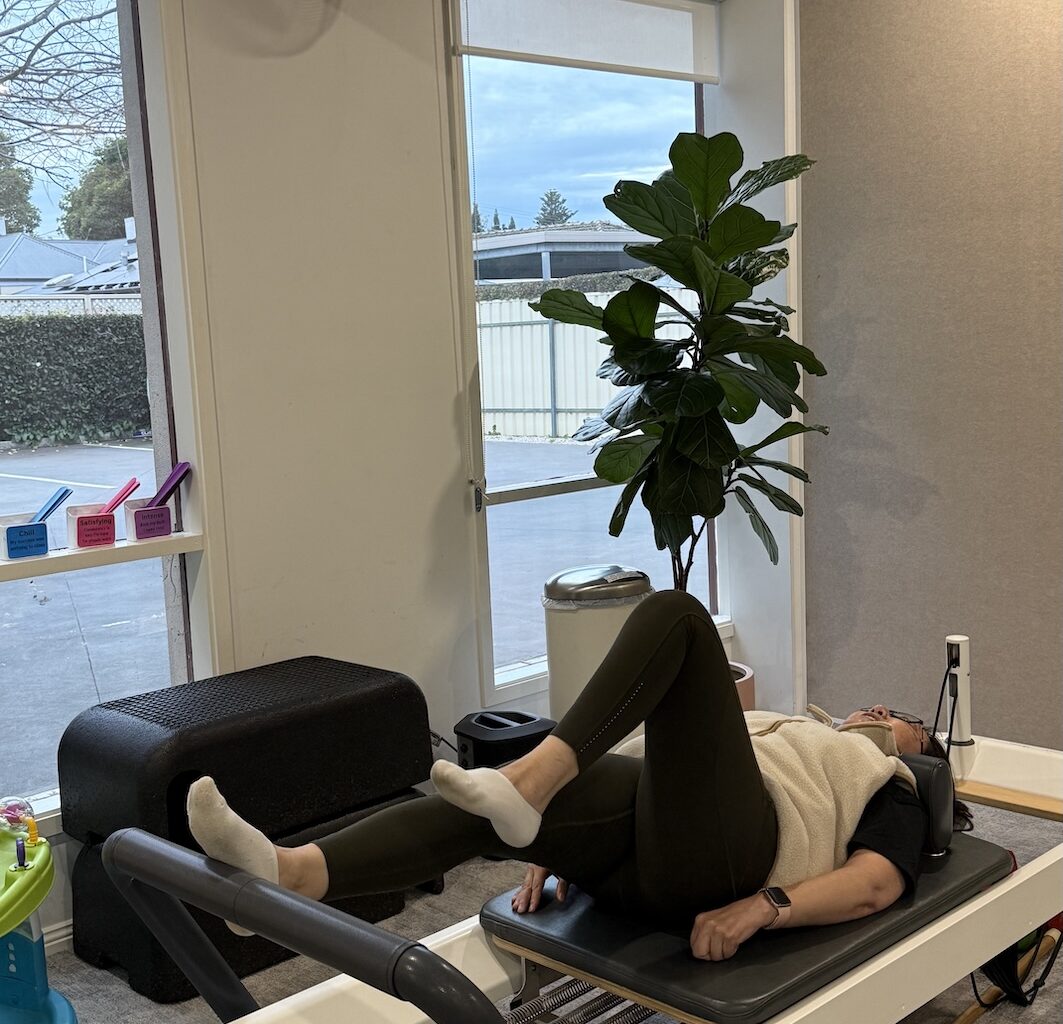
 Saran Chamberlain in Rehab
Millions of people survive a stroke every year, but many are left living with long-term challenges affecting movement, speech, memory and daily life. A new international program hopes to improve recovery by setting global standards for stroke rehabilitation.
Developed by researchers from around the world, including lead author Dr Jessica Nolan from Curtin University’s School of Allied Health, the World Stroke Organization (WSO) Rehabilitation Certification Program provides hospitals and healthcare providers with clear, evidence-based guidelines to improve rehabilitation services.
The program has been created to address the uneven quality of stroke rehabilitation around the world, particularly in low and middle-income countries where access to specialist care is often limited.
Dr Nolan said rehabilitation is essential in helping stroke survivors regain independence and improve their quality of life, but too many people still miss out on the care they need.
“While significant progress has been made in acute stroke treatment, access to high-quality rehabilitation remains inconsistent around the world,” she said.
The new certification program builds on the World Stroke Organization’s existing acute stroke certification and includes 55 recommendations covering all aspects of recovery. These include mobility, communication, swallowing, mental health, exercise, discharge planning and ongoing community support.
Rather than adopting a one-size-fits-all approach, the program offers three levels of certification, allowing rehabilitation services to improve over time regardless of their size or available resources.
Co-senior author Associate Professor Elizabeth Lynch from Flinders University said the flexible framework recognises the different challenges faced by health services around the world while encouraging continuous improvement.
The program has already been tested across 15 rehabilitation centres in six middle-income countries and is now ready to be introduced internationally.
Australian stroke survivor Saran Chamberlain knows firsthand how important rehabilitation can be. She was just 38 when she suffered a stroke despite being fit, healthy and raising a young family.
Now 51, she continues to experience pain, fatigue and loss of sensation in her left arm and hand more than a decade later.
“Recovery after stroke is not finite,” she said. “Rehabilitation has been essential throughout my journey. Ongoing access to rehabilitation has enabled me to continue improving, adapt to new challenges and maximise my participation in everyday life.”
The World Stroke Organization Rehabilitation Certification Program will be officially launched at the World Stroke Congress in October. Researchers hope it will help ensure stroke survivors receive more consistent, high-quality rehabilitation wherever they live.
Know the signs of stroke – Act FAST
A stroke is a medical emergency. Getting treatment quickly can significantly improve recovery and reduce the risk of permanent disability.
Remember the FAST test:
F – Face: Has one side of the face drooped? Ask the person to smile.
A – Arms: Can they raise both arms, or is one arm weak or numb?
S – Speech: Is their speech slurred, confused or difficult to understand?
T – Time: If you notice any of these signs, call 000 immediately. Every minute counts.
Other warning signs can include:
Sudden loss of vision or blurred vision
Severe dizziness or loss of balance
A sudden, severe headache with no obvious cause
Sudden numbness or weakness, particularly on one side of the body
Difficulty understanding what others are saying or finding the right words
Even if symptoms disappear after a few minutes, seek emergency medical help straight away. A temporary stroke-like event, known as a transient ischaemic attack (TIA), can be an important warning sign that a major stroke may follow.