
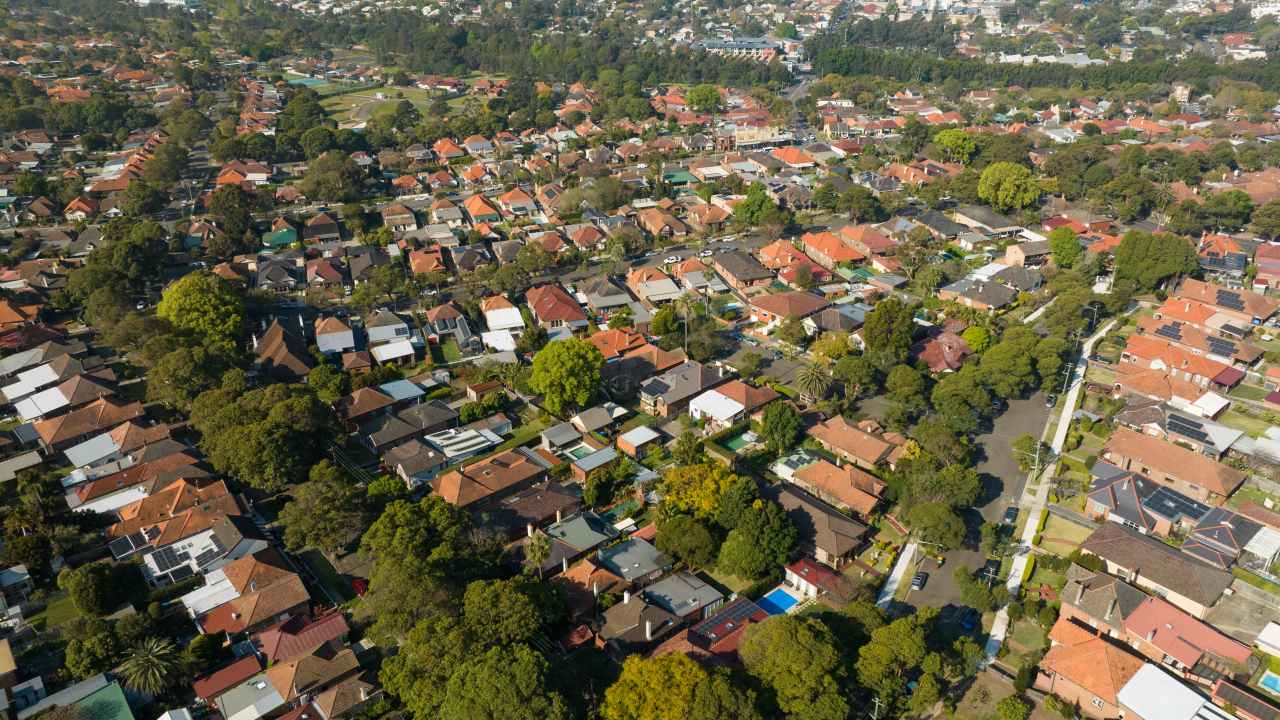
Australia’s housing shortage is increasingly colliding with the rapid expansion of artificial intelligence infrastructure, as governments face pressure over land use and skilled labour.
The country is now home to at least 162 operational data centres, with another 90 projects in development.
This places Australia among the world’s fastest-growing markets for the sector outside the United States.
At the same time, new Australian Bureau of Statistics figures show residential building approvals fell 5.7 per cent in May, with the housing construction pipeline continuing to fall behind national targets.
New analysis from Master Builders Australia suggests Australia is already 91,000 homes short of its National Housing Accord target.
Speaking to SkyNews.com.au, Independent Senator David Pocock has argued that housing development should take priority over higher-value commercial uses in key urban areas.
“Co-locating housing and data centres is not ideal, and I think we should be prioritising infill locations for residential housing and putting data centres on less intrusive, lower value land,” he said.
Mr Pocock pointed to recent examples where he believes housing supply has been displaced by alternative developments.
“We have already seen examples, like in Geelong recently, where a data centre developer purchased land that had been earmarked for thousands of homes,” he said.
“The other thing I am hearing increasingly from Australia’s big residential developers is they are facing acute skills shortages, especially in the electrical trades.
“That’s where residential construction workers are being hoovered up for data centre work.”
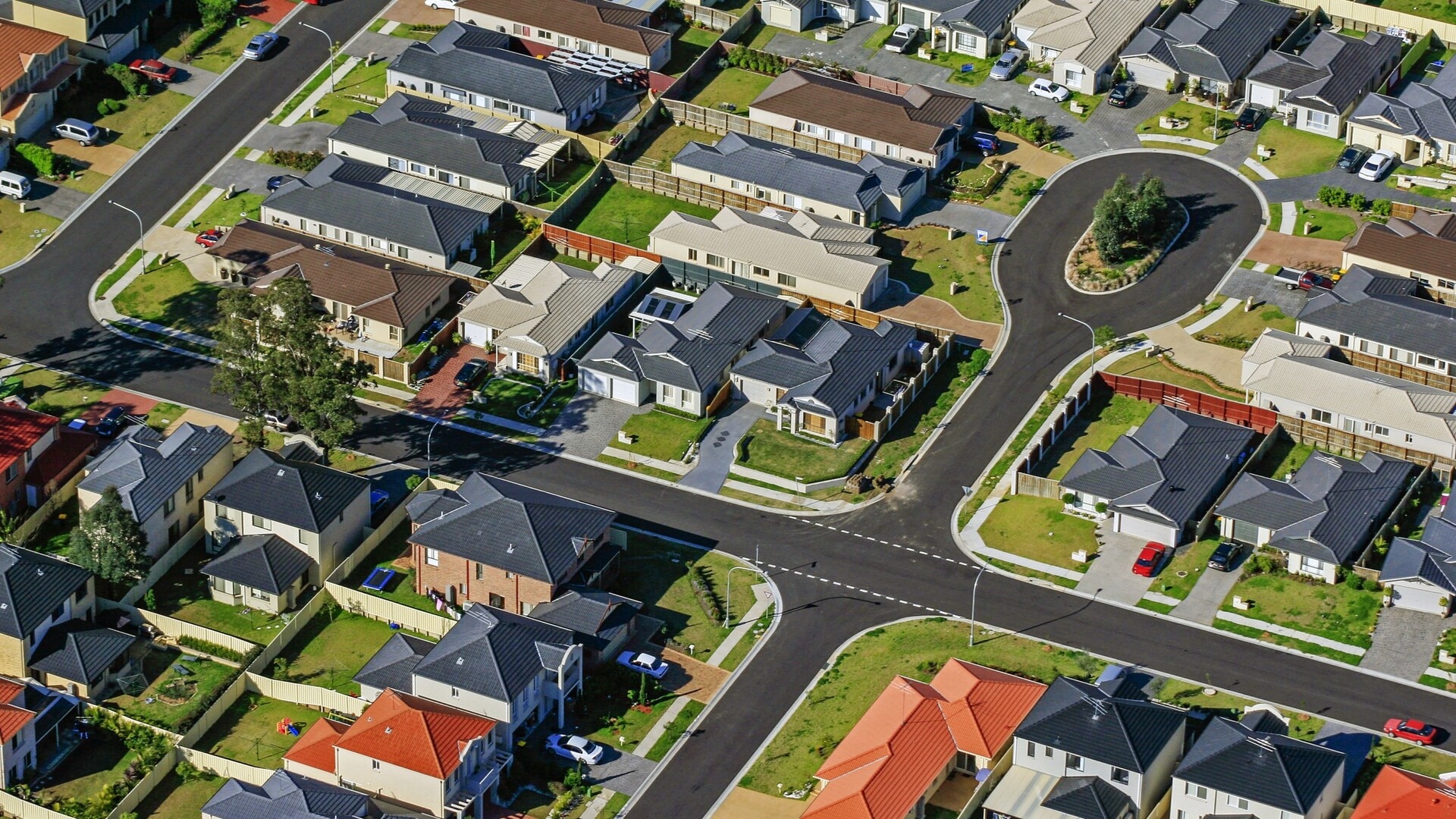
He said Australia needed a clearer national framework to manage competing priorities.
“We need a sensible plan identifying where both are best located, as well as far tougher regulation of data centres and mechanisms to ensure Australians benefit from them,” he said.
“You can’t sleep in a data centre and housing is something Australians need to be able to function and thrive.”
He has argued governments must take a more active role in managing how land is used, warning that housing is being squeezed by competing priorities.
“The government can’t bring down the cost of building supplies or labour, but what it can do is bring down the cost of land,” he said.
“Requiring that 30 per cent of all federal government land sold for residential housing development is for affordable housing will massively increase supply.
“It means that essential workers will be able to afford to live closer to where they work and fewer Australians will be living in housing stress.”
The debate has also been echoed inside federal politics.
Labor backbencher Ed Husic warned that rapid data centre expansion is contributing to pressure on land that could otherwise be used for housing.
“There’s been a bit of a frenzy going on with data centre builds,” he told Sky News on Tuesday.
“Land gets snapped up that should have been set aside for houses, and we’ve already got 90,000 workers short in construction.
“So, if we are having a situation where data centres are now taking up land for homes, we’ve got to pump the brakes on this.”
Community opposition is also emerging alongside the expansion of data centre development, particularly in urban fringe areas.
In Sydney’s north, the Lane Cove Responsible Planning Group has raised concerns about the scale of proposed data centre projects.
They have warned that multiple developments could take up 40 per cent of industrial land.
The group has argued that current planning systems were not designed to manage hyperscale digital infrastructure and the pressure it places on land use and surrounding communities.
Master Builders Australia says the scale of the housing challenge is already significant, with demand for construction outpacing the system’s ability to deliver.
New analysis from the industry body shows the National Housing Accord target of 1.2 million new homes by the end of the decade is already 91,000 homes behind.
Chief executive Denita Wawn says capacity constraints are now the central barrier to delivery, with labour shortages and cost pressures weighing heavily on the sector.
“There is a real risk that some projects won’t go ahead and those that do could end up being on a reduced scale,” she told SkyNews.com.au.
“When fewer new homes get built, housing affordability ends up suffering over the long term both for renters and prospective home buyers.”
She warned that workforce shortages remain acute across the sector, with Australia needing hundreds of thousands of additional skilled workers.
“The workforce shortage is biting, with Australia needing more than 300,000 additional infrastructure workers over coming years and a further 116,000 in housing.”
Ms Wawn said the risk is that major competing projects do not expand the workforce but instead compete for the same limited pool of trades.
“With major projects on the horizon, including the Brisbane 2032 Olympic Games, Australia risks simply shuffling an already limited pool of skilled tradespeople rather than expanding the workforce to meet growing demand,” she said.
“It’s a challenge that will persist without meaningful reform.”
She also pointed to broader structural issues affecting housing investment.
Ms Wawn said this included red tape adding up to $320,000 per new house, the Federal Budget tax hikes on construction investment and the recent easing in consumer confidence.
“Australia is not currently on track to deliver enough housing to meet demand unless governments act urgently to remove barriers to supply,” she said.