
We’re constantly told small business is the backbone of our country.
Mum and dad investors who save up their money, take the risk, to live the entrepreneurial dream.
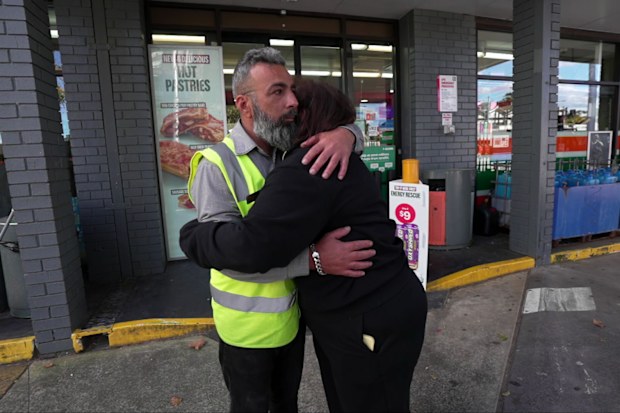
Jotika and Sunny Sharma are just one pair of former 7-Eleven franchisees who have been left with nothing after their leases weren’t renewed. A Current Affair
But for many who bought into the 7-Eleven dream, thinking they were setting themselves up for a better life, it’s all now in ruins.
Over the past two months I’ve met countless ex-franchisees of the global convenience giant, who bought into the brand, buying their own convenience store franchises.
Some worked in these stores seven days a week, to make ends. Endless hours to make the dream work.
Last week, I met a bus full of heartbroken ex-franchisees. Each one had their own story of devastation, of how they lost their store and hundreds of thousands of dollars.
Tonight on A Current Affair, we’ll show you their fight for a fair go, on their trip to head office.
When a franchisee buys in, it’s for a 10-year agreement.
Those who I spoke to claim they were told when they bought their stores, they’d become part of the 7-Eleven family.
They say they were told at the end of the 10 years, they’d be offered a new agreement, or they could sell their store.
In selling, they’d be able to recoup the hundreds of thousands of dollars, and in some cases, millions of dollars that they bought in for, known as their goodwill payment.
Every franchisee we’ve spoken with bought their store on that basis, many off another franchisee who was able to sell it on.
But over the past decade it appears 7-Eleven’s business model has changed.
A former whistleblower who worked at head office for close to two decades told us if corporate had five or six stores back then, it was considered a lot.
From more than 750 stores around the country, most franchisee owned, now there’s hundreds of corporate run stores.
A Current Affair has uncovered a long line of ex franchisees who claim towards the end of their agreement, 7-Eleven refused them a new agreement, instead telling them to sell their stores, only for head office to block the sale.
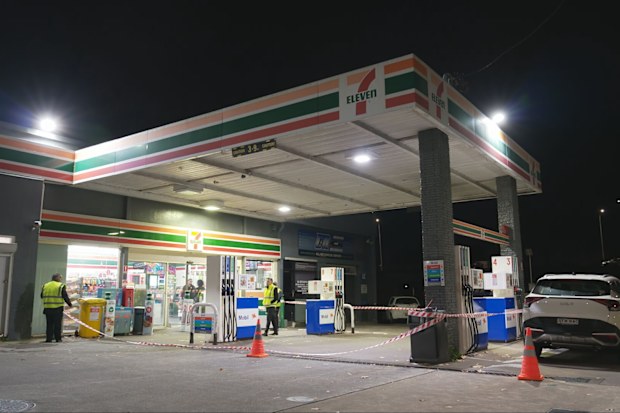
Franchisees have accused 7-Eleven of taking over their stores and giving them nothing in return. A Current Affair
With their agreement at its end, head office moves in and takes over the store, with zero compensation for the franchisee.
The franchisee loses everything.
Corporate takes the store and runs it itself, and rakes in the profits.
Now ex-franchisees believe the ACCC should be investigating the convenience giant for blocking the sale of their businesses.
So far, their calls for help have fallen on deaf ears at the ACCC.
Last week, a devastated and angry group of ex franchisees came together in Melbourne to visit 7-Eleven head office and demand their goodwill payment back.
For many, the money they invested was their life savings, their retirement savings.
They claim, despite the contract being for 10 years, they always thought they’d get their goodwill back, either through a sale to a new franchisee, or to head office.
As the group approached head office, even though it was the middle of a weekday, they were met with locked doors.
The 7-Eleven store on the ground floor of the building, which usually does a roaring trade from nearby businesses, was also locked up.
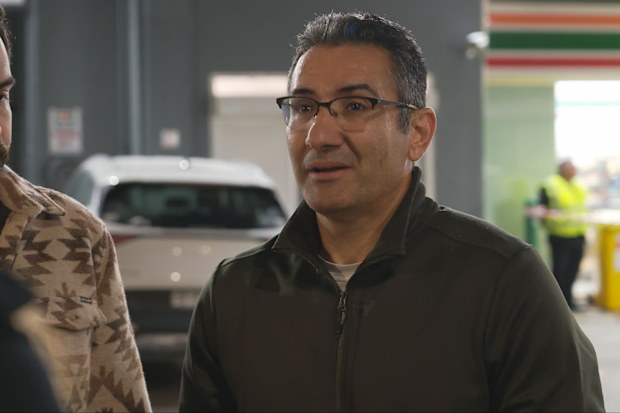
Franchisees Javid purchased his store for $1 million. He’s had to walk away with nothing. A Current Affair
7-Eleven not even willing to have a conversation with the people who poured their blood, sweat and tears into the brand for years.
If 7-Eleven wanted to pay them, they could.
Seven & i Holdings Co. Ltd. the parent company of 7-Eleven International, reported an operating income near $2 billion from its overseas convenience store operations, which includes Australia.
There’s money there to do the right thing.
It just appears, 7-Eleven Australia doesn’t want to.
Tune in for the full story, 7pm tonight, on A Current Affair.
FULL 7-ELEVEN STATEMENT
Statement from 7-Eleven Australia
7-Eleven Australia acknowledges the concerns raised by some former franchisees and recognises that exiting any business can be a difficult and challenging experience.
We recognise that some franchisees may have had different expectations about what happens when they exit the business. However, the 7-Eleven franchise model is clearly outlined in all agreements, and prospective franchisees are encouraged to seek their own legal and financial advice prior to entering their agreement.
Franchisees are compensated through the profits they generate while operating their store over the licence period. While we cover substantial costs, including leasing costs, store fit outs, equipment, systems and training, the upside for operators comes from managing a store.
7-Eleven aims to work with franchisees 12 to 18 months before the agreement expires to support them during this period and ensure the business is meeting operating and performance targets.
When an operator seeks to transfer their licence to another franchisee, we support that process, however, any negotiated payment is between the outgoing and incoming franchisee, not 7-Eleven Australia.
We recognise that, in some cases, franchisee expectations about renewal or transfer may not always be met. We understand this can be disappointing and difficult, particularly where franchisees have invested significant time, effort and personal commitment into their store.
Over the last 10 years, where 7-Eleven Australia has had ongoing leases in place, 95 per cent of franchise agreements have been successfully renewed or transferred.