
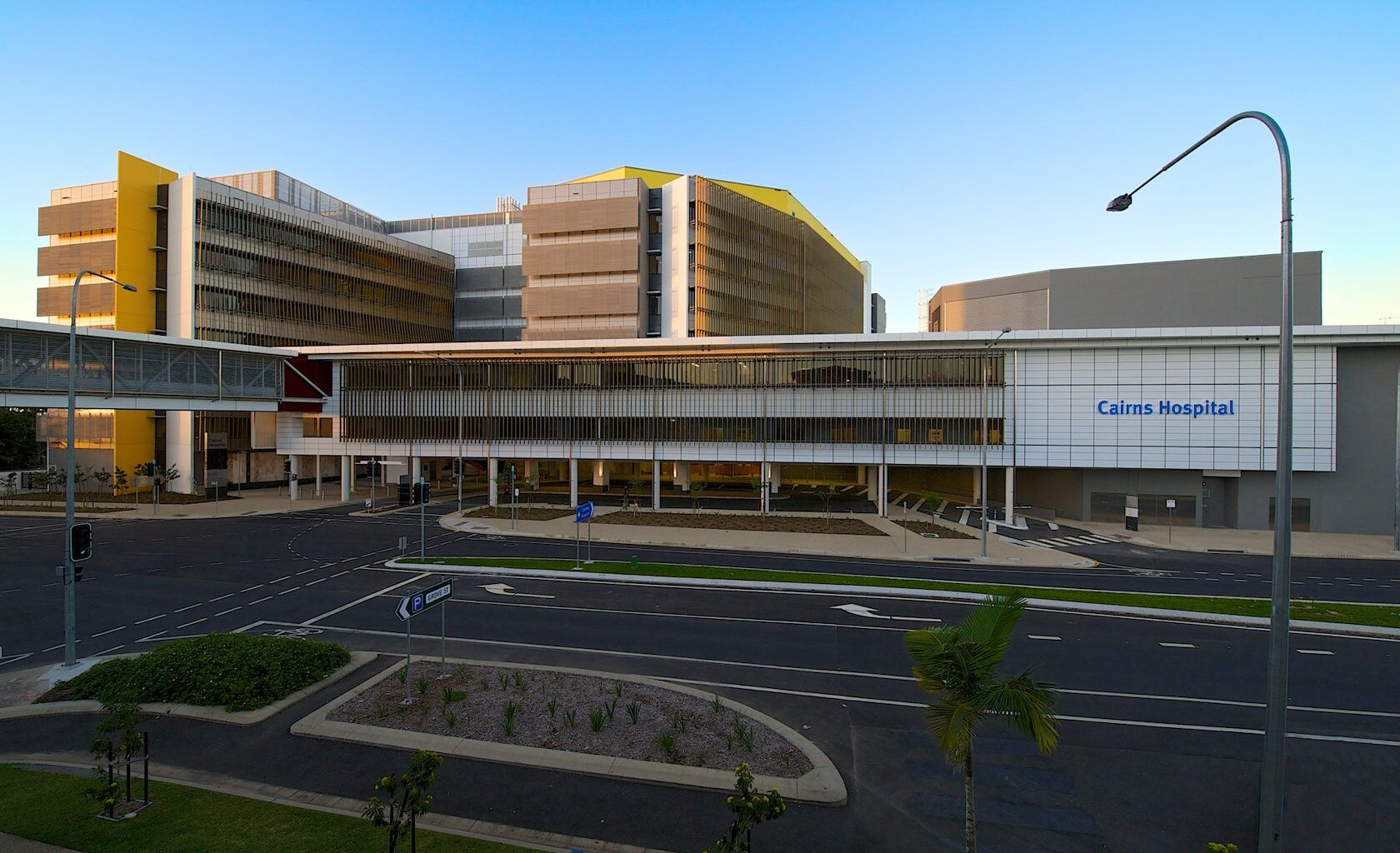
Cairns Hospital clinicians have achieved a flawless 10-year record of successfully treating patients with leptospirosis, a potentially deadly tropical disease.
A new decade-long study has revealed that even the most severe cases of leptospirosis – a life threatening bacterial infection – can be effectively treated using modern critical care practices.
Leptospirosis is caused by contact with the urine of infected animals such as rats, mice, cattle, pigs, or native animals like bandicoots, as well as contaminated soil or water.
Far North Queensland has the highest rate of leptospirosis in Australia, with the disease diagnosed more commonly in agricultural workers.
Symptoms can include fever, severe headache, muscle aches, vomiting, and red or bloodshot eyes. In severe cases, the infection can involve the lungs, liver, kidneys, and heart, leading to multi-organ failure and even death.
The study reviewed 60 patients admitted to Cairns Hospital’s Intensive Care Unit (ICU) with confirmed leptospirosis between 2015 and 2025. Despite their potentially fatal illness, all the patients were safely discharged from the hospital and were able to return home.