
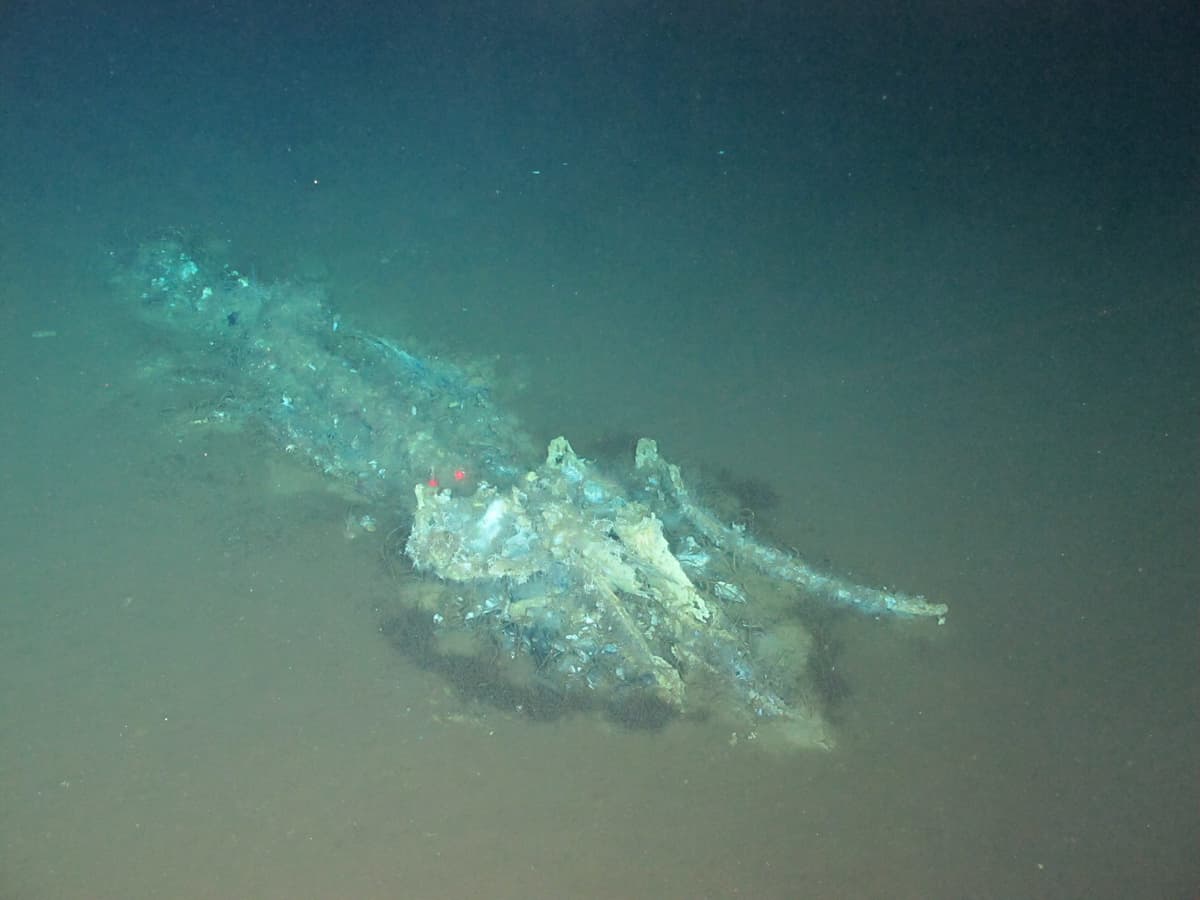
Approximately 1,400 kilometres off the West Australian coastline, a massive whale graveyard lies in the deep, dark depths of the Indian Ocean.
Comprised of five whale carcasses (also known as whale falls) and 476 fossil cetaceans, the incredible discovery was described as a “vast whale necropolis” in research published last month to science journal Nature.
The research team, led by Xiaotong Peng from the Chinese Academy of Sciences, discovered the whale falls during a 2023 expedition to the Diamantina Zone aboard the R/V Tansuoyihao, using state-of-the-art manned submersible Fendouzhe – capable of reaching depths of up to 11,000 metres.
Reaching depths of over 7,000 metres, the Diamantina Zone stretches approximately 1,200 kilometres in length, in international waters south of the Perth Abyssal Plain – its ridges and valleys formed with the separation of the Australian and Antarctic continents over 50 million years ago.
“The deep sea is home to myriad life forms that have adapted to extreme environmental conditions,” reads the research.
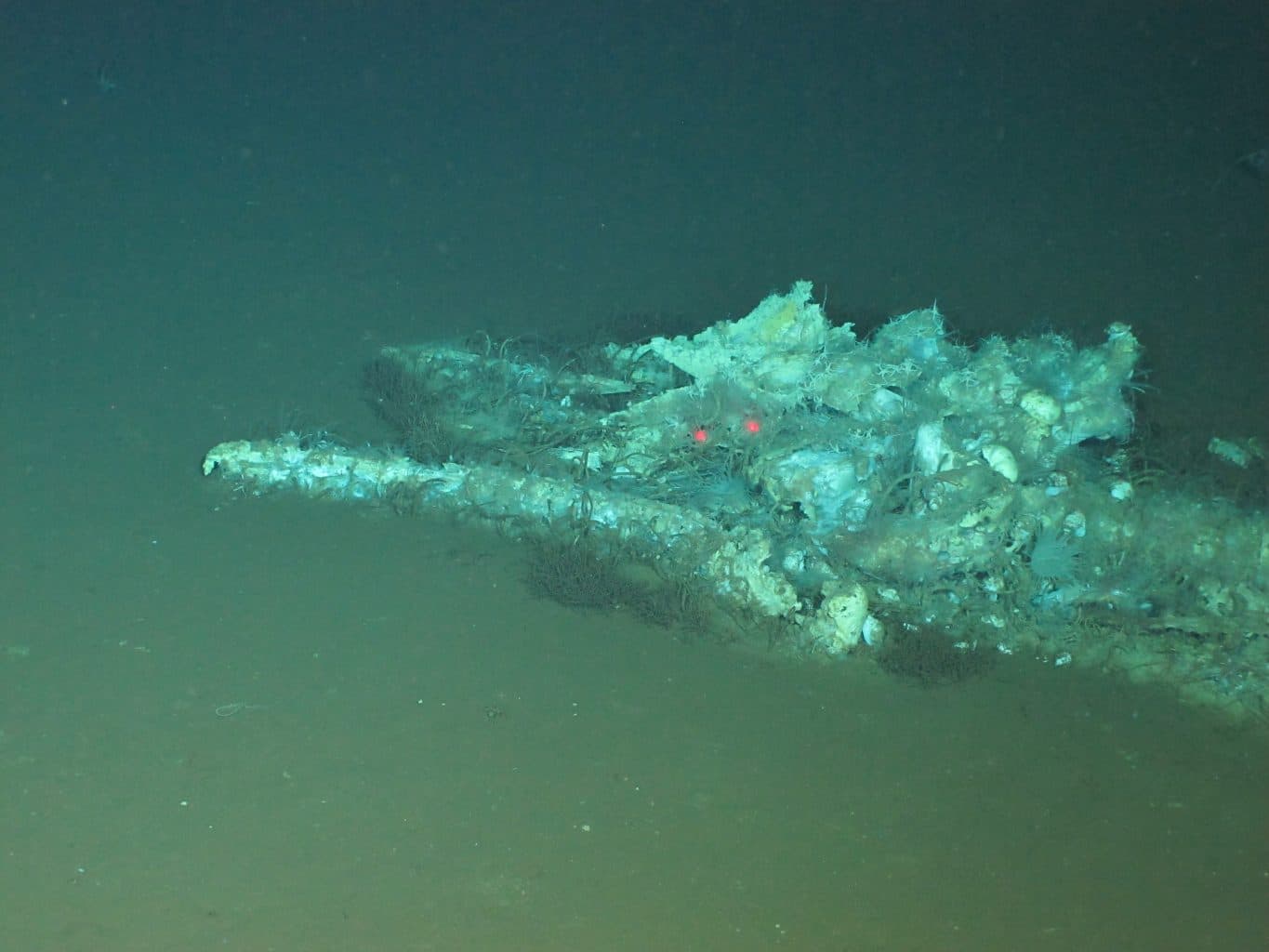
“One of the most fascinating phenomena of the deep sea are whale-fall communities, whereby a whale carcass that sinks to the ocean floor initiates a highly idiosyncratic ecosystem in association with a variety of physiologically diverse organisms, thus providing crucial insights into the interplay of life and death in the ocean’s depths.”
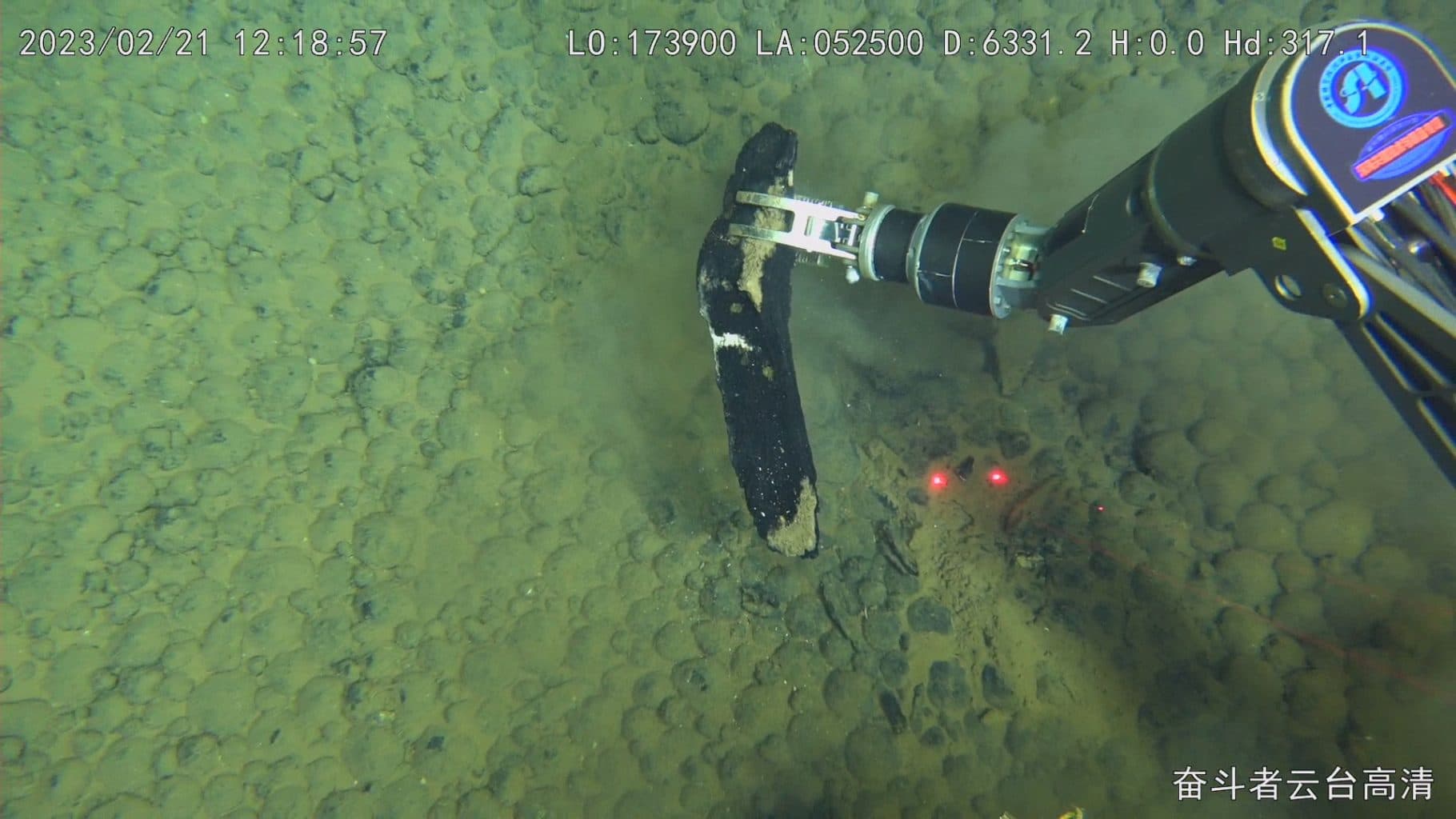
The first of the whale fossils were discovered at a staggering 7,002 metre depth – almost the deepest point of the Diamantina Zone in an abyssal depression called the Dordrecht Deep. A further 32 dives mapped out the remaining discoveries throughout the zone, with the oldest fossil dated to at least 5.3 million years old.
One of the fossils is also believed to be a skull fragment from a newly-identified extinct whale species, Pterocetus diamantinae, with some of the thriving deep-sea life around the active whale falls believed to be species new to science.
It is suggested that the V-shaped topography of the zone helps funnel sinking whale carcasses to the ocean floor – however, an accumulation of beaked-whale carcasses may also be attributed to their deep-diving foraging behaviour, with an increased risk of fatal exhaustion or decompression sickness as they hunt for the zone’s “abundant squid and fish resources”.
“The concentration of whale falls and fossils in the Diamantina Zone raises fundamental questions about the origin of this whale necropolis.”
“Active whale-fall ecosystems were found thriving around both baleen and beaked-whale carcasses.”
“The confluence of beaked whales’ deep-diving ecology, extreme foraging physiology, topographic focusing, an ultra-low sedimentation rate and early fossilisation may explain the formation of this whale necropolis.”
Image credit: Global TREnD, IDSSE