
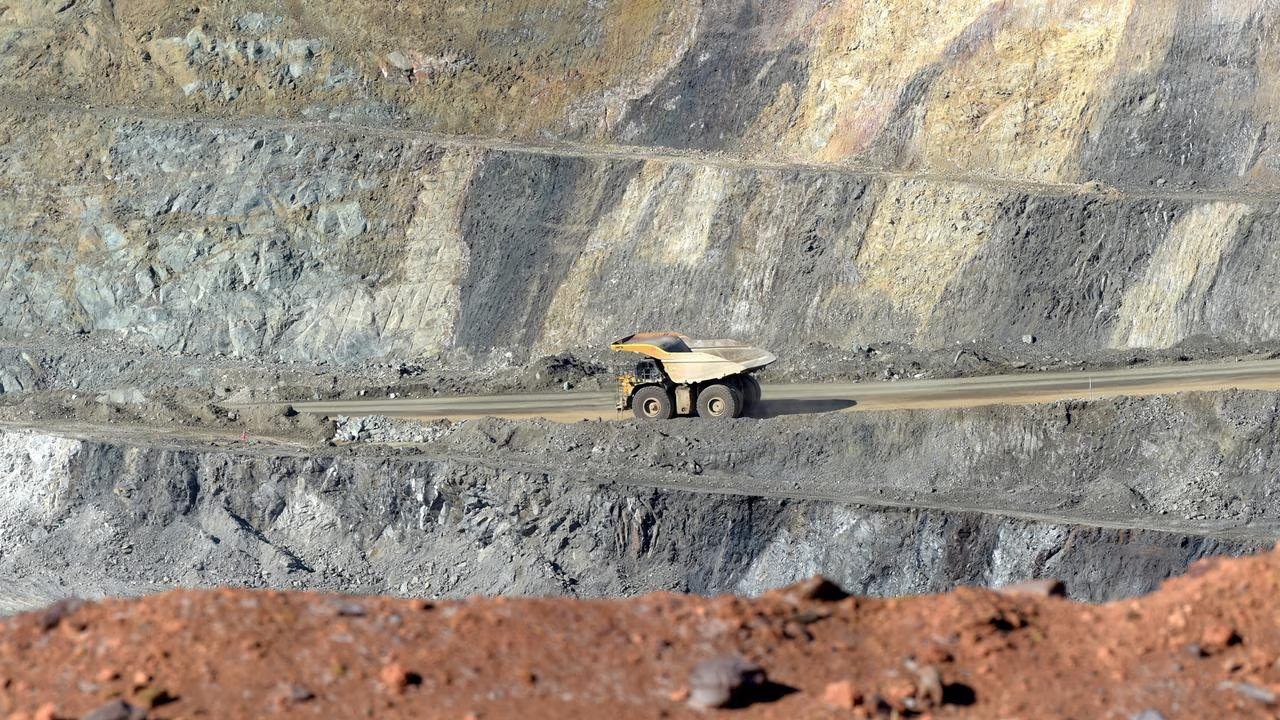
An Aussie miner has been hit with a record $118k fine for environmental breaches that threatened a vulnerable species of bat in WA’s Pilbara region.
AIM Mining Corporation received the hefty fine over six infringement notices at its flagship Warrawoona Gold Project, 1500km northeast of Perth.

The company has paid the fine in full, according to the ABC.
The miner allegedly failed to replace nesting habitats, known as roosts, for the endangered orange-furred bat.
The tiny animal is listed as vulnerable under the Environment Protection and Biodiversity Conservation (EPBC) Act and projects that affect its habitat are subject to strict regulations.
The bat, which weighs just a few grams and uses its horseshoe shaped nose to echo-locate prey, are thought to be located in just 50 underground roosts across the Pilbara. These have been devastated by mining.
The Australian Conservation Foundation (ACF) said the fine was a step in the right direction, but the sum was a “slap on the wrist”.
The penalty is the largest cumulative fine registered by the Department of Climate Change, the Environment, Energy, and Water (DCCEEW) under Section 142B of the federal legislation, according to public records.
The watchdog said the mine near Marble Bar violated environmental laws by exceeding groundwater extraction limits and failing to implement a WA species management plan. It also allegedly failed to report the issues to authorities.
The miner also failed to check lower control limits for the native animal and install roosts.
Bat expert Bob Bullen, who is a consultant on the Warrawoona project, failed to answer the ABC’s questions about the mine but said the leaf-nosed bat tends to habitate near industrial areas, like mine sites.
“Most of the natural caves that they live in just happen to be living in high-grade iron ore because it’s cave forming, or historical gold strata,” Dr Bullen said.
According to the WA Environmental Protection Authority, one tunnel on the Warrawoona site had up to 2000 bats living in it in 2020 and was one of the state’s largest colonies.
Dr Bullen explained the extraction of groundwater during the mining and processing of the precious metal caused caves to become less humid and temperature-regulated, causing bat to die within 12 hours.
AIM was asked to set up man-made roosts but didn’t, according to the DCCEEW.
Dr Bullen said climate change was having a far greater impact on the bat population than the mining project.
“The water tables are dropping, and that’s well known among the mining industry,” he said. “The humidity in the bottom of a lot of the caves is disappearing.
“In my opinion, the vast majority of the impact is force majeure caused by climate change.”
Conservationist Josh Meadows said even if true, mining companies must be held accountable.
“Every roosting cave that gets destroyed is gone forever. It’s death by a thousand cuts for a vulnerable species that need particular, specialised habitats to survive,” he said.
The hefty fine is the latest in a string of problems at the project.
The mine was operated by Calidus Resources for two years before it collapsed into receivership in 2024.
The company was delisted from the Australian Stock Exchange amid what analysts labelled a mounting debt problem.
Australian Securities and Investments Commission filings show Calidus Resources then changed its name to AIM Mining Corporation in 2025, according to the ABC.
News.com.au has contacted AIM Mining for comment.
Read related topics:Perth