
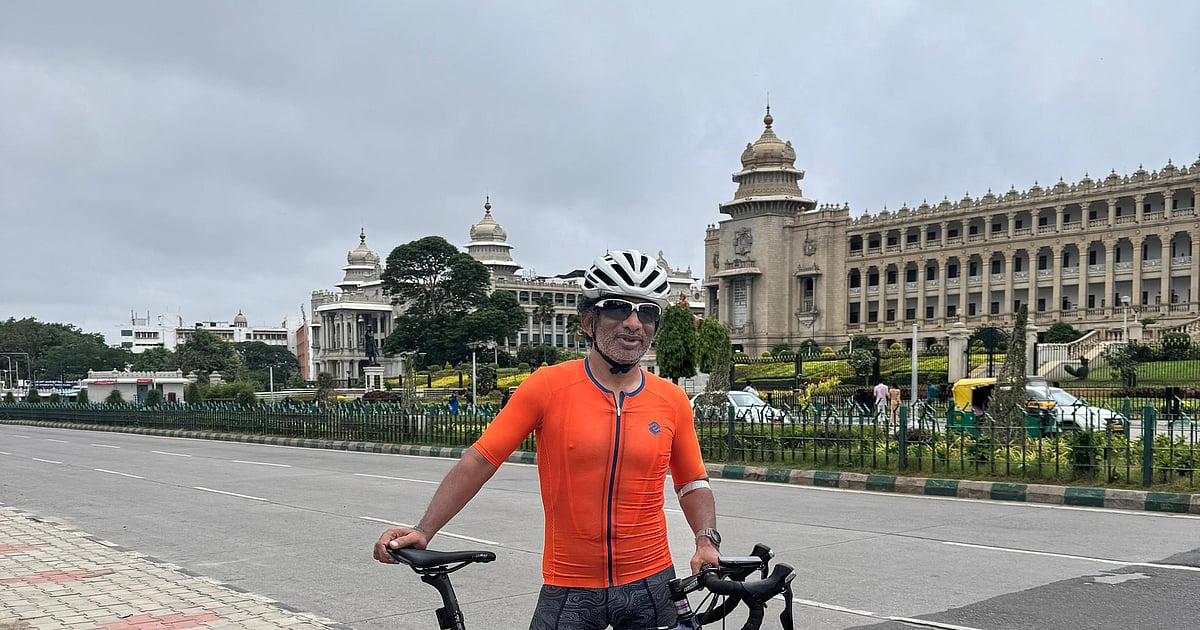
Professional cyclist and sales & marketing head Hardik Rai agrees, as he explains, “Ultracycling is a mental game more than physical because doing more than 100km and managing nutrition is not easy,” adding that the growing number of long-distance events has given newcomers an accessible pathway into the sport before they progress to demanding races.
The sport gained popularity in India over the last few years. Riders attribute this to growing cycling communities, easier access to world-class equipment and visibility on social media, while also stressing the focus on fitness post-pandemic. “Many look at ultracycling events like brevets or endurance races as a personal achievement,” says Shivarama.
Brevets, which require riders to compete 200km, 300km, 400km or 600km within a fixed time, have become the first step for aspiring ultracyclists. Explaining what goes into prepping when it comes to ultracycling, Kartik says, “You need to embrace taking on maximum calories from carbs, which traditionally people are told to reduce. Mentally, it’s about creating a resolve so strong that unfamiliar foods and surroundings can’t intimidate you. If not in your best physical fitness, you can’t venture into the demanding lifestyle of ultracyclists.”
Technology has also transformed training, with GPS devices, cycling computers and performance tracking platforms allowing riders to monitor progress and prepare for bigger endurance events. Despite this, ultracycling continues to face hurdles. Poor road conditions, potholes, the lack of dedicated cycling lanes, extreme summer temperatures, monsoon rains and limited repair facilities in remote areas are some of the issues, while night rides are further complicated by high beam headlights and poor lane discipline.