
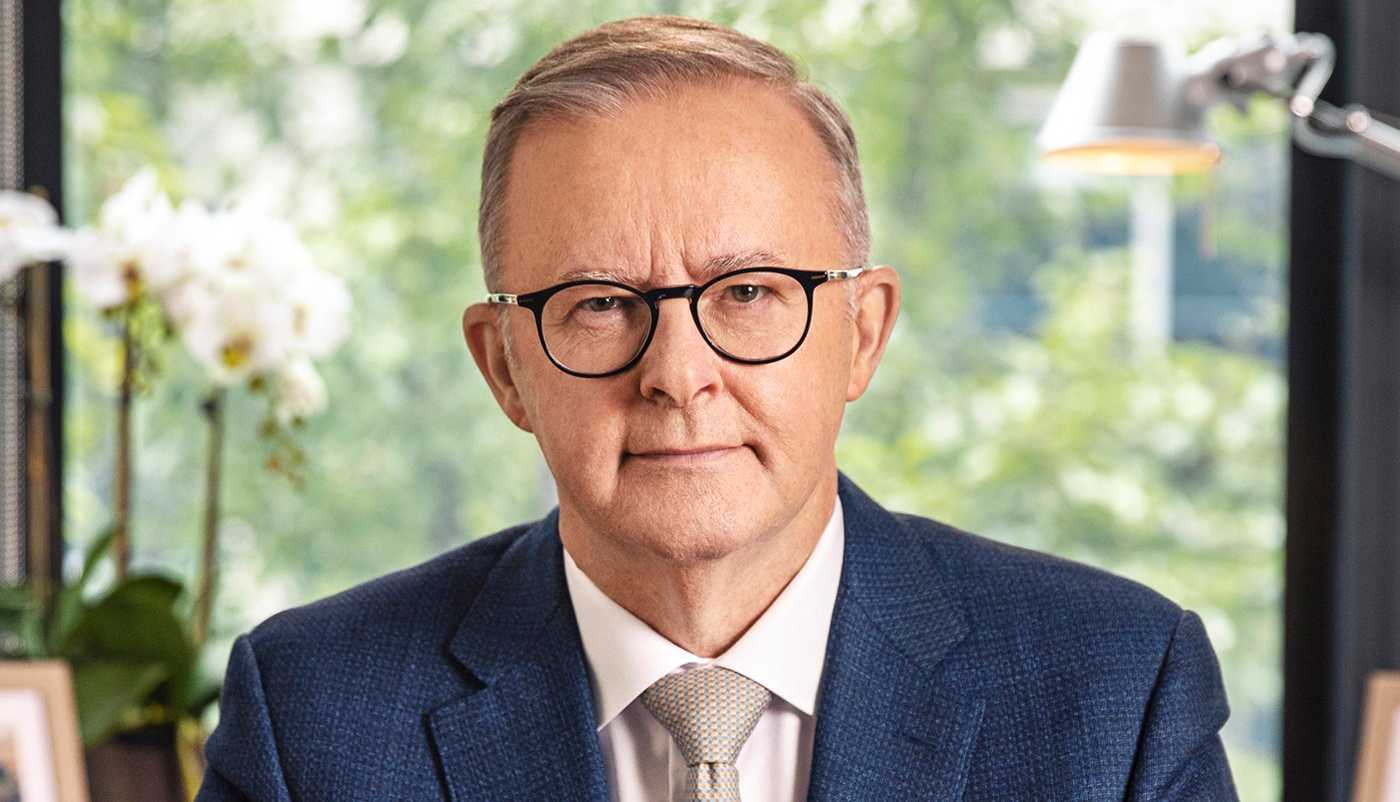
“The AI Standards will deliver greater clarity, speed up approvals and streamline the process for verifying compliance with energy, water, safety and other requirements.
“The government will also ensure the strongest possible protection for Australian artists and media.
“Our approach will ensure Australian writers, artists and journalists retain ownership over their work, meaning no company should use Australian creative works to train AI without the artist’s control.”
Security and sovereignty
The Australian Computer Society (ACS) said the move would position Australia as the first country to bring the economic, social, national security and environmental implications of AI together under a single national framework
ACS CEO Dr Prins Ralston said ACS was ready to support the new office with its expertise in workforce capability, professional standards, skills recognition, and digital sovereignty.
“ACS hopes the Office of AI will provide the coordination needed to connect policy, standards, workforce planning, and implementation across government and industry,” he said.
“In the age of AI, we need to go beyond raw technical ability and ensure those skills are applied responsibly, ethically, and with sound professional judgement.
“Like cyber security, AI is an area where nationally consistent professional recognition helps us ensure powerful digital technology works for us, and not the other way around.”
For service providers like Logicalis, the establishment of Australia’s Office of AI is a welcome step towards creating the national leadership and policy framework needed to support responsible AI adoption. Clear policy, governance, and standards will be critical in giving organisations the confidence to invest, innovate and protect sensitive data.
“However, policy alone won’t improve Australia’s productivity or global competitiveness. Success will ultimately be measured by how effectively government, industry and technology partners work together to accelerate AI adoption across the economy,” said Logicalis A/NZ general manager Lisa Fortey.
“At Logicalis, we believe data sovereignty, security and responsible AI must underpin every deployment, while continued investment in today’s workforce and the next generation of technology talent will ensure Australia is well positioned to realise the full potential of AI,” she said.
Similar themes around governance and coordination were raised by Interactive chief information security officer Fred Thiele, who believed the Office of AI and a national framework could help create greater consistency across government and industry.
“In one way or another, your life has been affected by AI,” observed Thiele. “As a nation, we are still developing a consistent approach to how AI is governed, adopted and applied. We have always believed that AI development needs to be deliberate, dynamic and strategic.”
However, in order to establish success and safety, the government must be clear.
“There appears to be a focus on defence and strong copyright protections,” expressed Thiele. “Building the cyber resilience and governance needed to support such diverse priorities is complex and will require a long-term commitment.
“It will also be interesting to see how the framework is implemented in practice, including the role of incentives, standards or future compliance requirements.
“Ultimately, success will depend on striking the right balance between clear government direction and industry-led innovation.”
The opportunity is significant, but so is the responsibility to ensure AI is adopted in a way that is secure, transparent and trusted, Thiele noted.
“Industry, including our own team, can play an important role in bringing that shared vision to life, provided we shape it together,” he added
That’s why the Prime Minister’s promise to consult closely with industry and trading partners to design the framework for fast decision-making, infrastructure and community engagement iscrucial.
“This piece of the puzzle will be key for success,” said Interactive CEO Alex Coates. “We know we have a digital duty of care, from keeping our data centres sustainable to setting guardrails for AI development and maintaining sovereign security.
“The government cannot do everything on its own – we know this first-hand, having seen how the social media ban has landed.
“Community confidence is built through consultation, transparency and practical outcomes, and there are important challenges and eventualities we must prepare for.”
Among those challenges is ensuring the infrastructure underpinning AI aligns with Australia’s broader sovereignty objectives.
Dr Ralston noted that AI sovereignty is not only a question of skills and governance, but also of the physical infrastructure that powers the technology.
That includes legislated standards for AI, as well as clear rules for the development of large data centres.
“Data centres that expand Australia’s capacity are good for the economy and for Australia’s strategic position in the Indo-Pacific. But this infrastructure will only ever be as sovereign as the professional workforce that designs, operates, secures, and governs it.”
Australia’s struggle to define its sovereign digital future is increasingly playing out at the state level with an ongoing NSW parliamentary inquiry into data centres.
Previously, ARN reported the NSW Legislative Council’s ongoing inquiry into data centres, which launched in January to examine the sector’s rapid growth and its impact on infrastructure, energy and local communities.
The inquiry has since evolved into a broader debate over the country’s sovereign digital future, with witnesses from the 2 July hearing arguing that data centres should not simply be viewed as large power consumers.
On 22 May, representatives from government utility provider Sydney Water said rapid growth must be managed in a way that protects long-term water security.
Sydney Water managing director Darren Cleary reaffirmed to the inquiry the utility’s previously published forecast that data centres could account for up to 25 per cent of Sydney’s drinking water demand over the next decade if all proposed projects proceed over the next decade.