
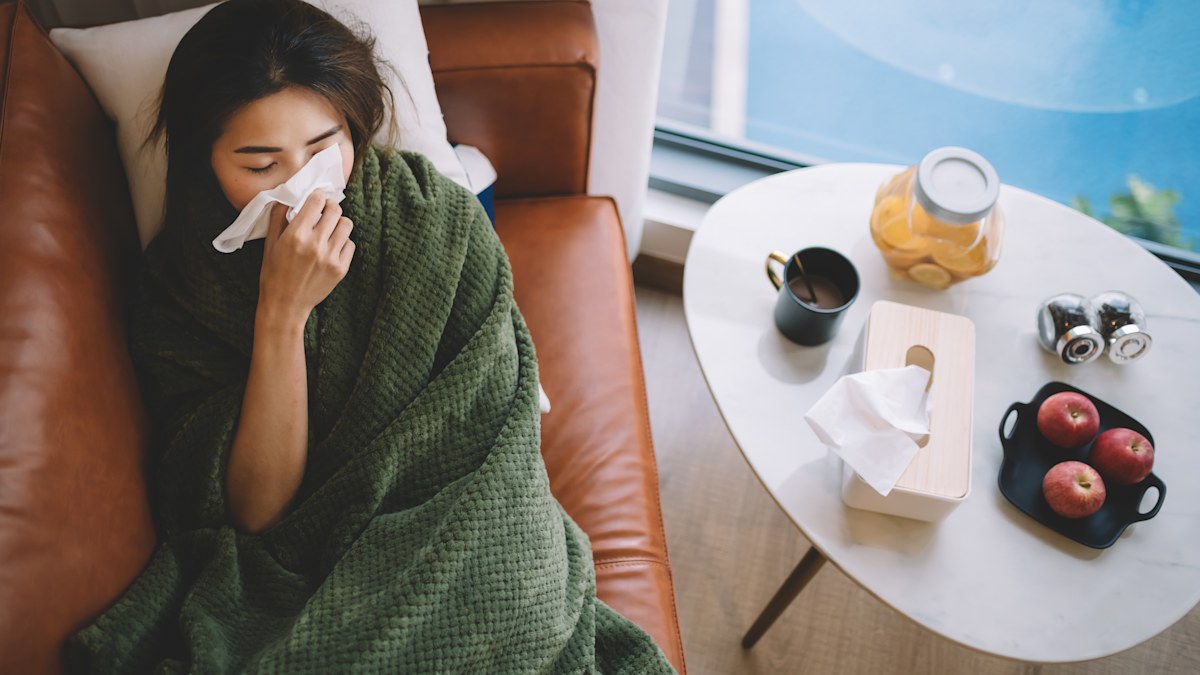
Every winter, it seems more and more people are getting sick – some even more than once. But is it just our imagination, or is there actually something in the air?
For answers, nine.com.au turned to Dr Zac Turner and Kate Gunthorpe, Deputy Chief Pharmacist at TerryWhite Chemmart.
It feels like everyone’s getting sick right now, and health experts have theories as to why. iStock
Why are people getting so sick this winter?
It is widely known winter is the peak season for sickness, as everyone is bunched up indoors and away from the cold, increasing the chances of illness spreading.
This winter, Australians aren’t just facing the common cold or flu, but a number of other illnesses.
Turner is “seeing a mix of viruses circulating at the same time, including influenza, COVID-19, RSV (Respiratory syncytial virus) and the common cold.”
“This simultaneous circulation of multiple viruses creates a revolving door of illness, where people barely recover from one bug before being exposed to another,” Gunthorpe adds.
Both highlight their concern that vaccination uptake has fallen this year, with Gunthorpe saying it has hit all-time lows in some places in Australia.
According to research from TerryWhite Chemmart, nearly a third of Aussies believe their immune systems can handle the virus on their own, while one in five do not consider themselves to be in a high-risk category.
“Because the flu can spread before symptoms even appear, people can unknowingly pass it on to others,” says Gunthorpe.
“When you combine increased viral activity with declining vaccination rates, you get the perfect storm for a challenging winter, which is exactly what we are experiencing right now.”
Why some are getting sick multiple times
There are multiple illnesses circulating in Australia this winter, and many are finding they have barely recovered before being knocked down again.
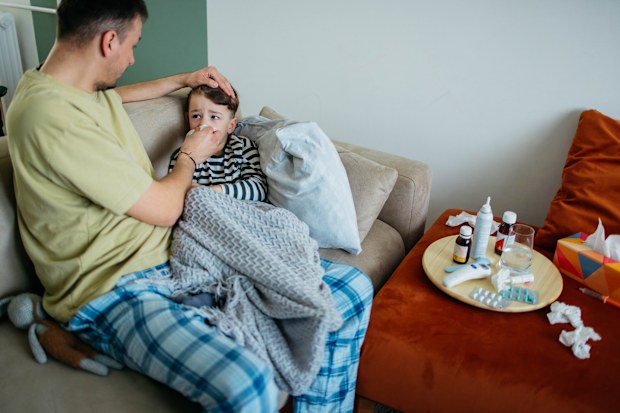
Our youngest members of society are particularly at risk. iStock
While many may feel that their symptoms are similar, often it’s not the same virus returning, Turner says.
“Recovering from one does not protect you from catching another, so what feels like the same illness returning may actually be a different infection with very similar symptoms,” Gunthorpe adds.
“After an illness, your immune system can take time to recover, making you more susceptible if you’re stressed, sleep-deprived or run down.
“This can create a temporary window of vulnerability, particularly if you return to work, exercise or a busy routine too quickly. During that time, you may be more susceptible to picking up another virus or developing a secondary infection.”
The best protection from getting ill again is to “rest, stay well hydrated, eat regularly and gradually return to normal activity rather than trying to push through lingering fatigue,” she says.
How can we prevent getting sick, especially when commuting? 
It’s recommended to stay at home if you are feeling unwell. iStock
It can be straightforward to prevent sickness from spreading, though it is quite contrary to the way we are used to conducting ourselves.
Firstly, if you are sick, you should stay home as much as possible – not only to prevent spreading illness, but also to allow yourself to rest and recover.
If you need to travel, Turner suggests wearing a well-fitting mask and avoiding touching your face, remembering viruses can survive on frequently touched surfaces such as handrails, shopping trolleys, keyboards and door handles.
Both Turner and Gunthorpe say staying up-to-date with your annual vaccinations can help support your immune system.
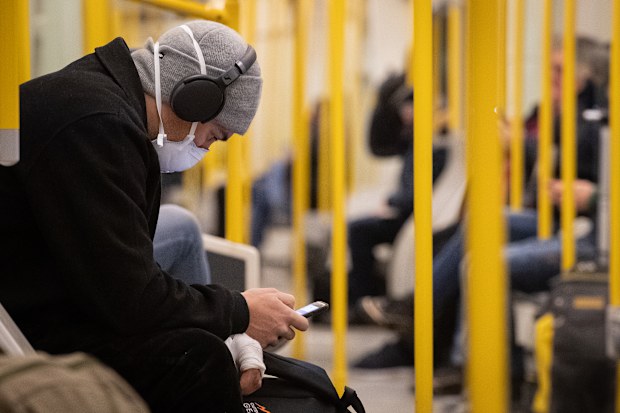
It’s recommended to wear a mask on public transport. Getty
“It won’t eliminate every risk, but it gives your immune system a head-start against the illnesses most likely to be circulating in these often crowded, public spaces, like public transport,” says Gunthorpe.
“Public transport is a shared space, often used by older Australians, pregnant women and people who are immunocompromised, so what may feel like a mild illness to you can pose a much greater risk to someone more vulnerable.”