
Labor’s tax changes could hurt state budgets which are already full of “overly optimistic” revenue forecasts, a major institution has warned.
S&P Global warned that Labor’s plan to restrict negative gearing and dump the capital gains tax discount has contributed to home values plummeting and will weigh on budgets.
The tax changes will also worsen states’ revenue take from stamp duty through lower home values.
“This year’s state budgets continue to project that operating expense growth will moderate across the four-year forecast horizon,” S&P’s director of Asia-Pacific public finance Martin Foo said.
“These spending projections appear optimistic.”
Four state governments have upgraded their projected annual revenue from stamp duty by a total of $3.6 billion.
The governments made this call after the federal budget was delivered in May.
This follows the Parliamentary Budget Office criticising “systemic optimism” in forecasts that made budgets seem stronger than they were.
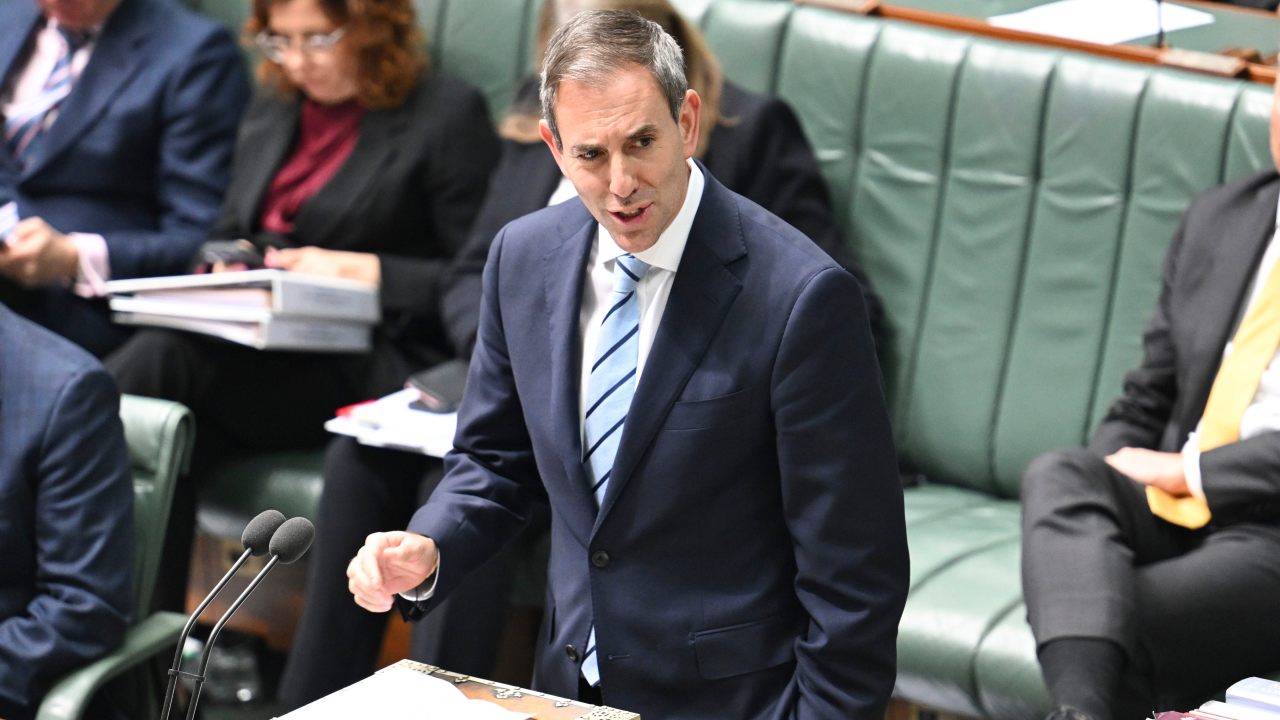
Treasurer Jim Chalmers said he stands by the budget projections, despite concerns from the PBO.
“The PBO found that our budget position has improved,” Mr Chalmers told ABC Radio Brisbane.
“We’ve got debt down, we’ve got the deficits down, not that long ago we delivered a couple of surpluses, and so that has quite substantially improved the budget position over that medium term trajectory.
“Overwhelmingly the story of the budget in this country is of quite a substantial improvement over the last four years.”
The PBO also warned that recent growth in total state debt presented an “additional and emerging fiscal risk”.
S&P Global has given the federal government and Western Australian government its highest rating of AAA.
Queensland, NSW and South Australia have AA+ ratings while Victoria, Tasmania and the ACT each have AA ratings.
The federal budget has remained in deficit – meaning the government will spend more than its revenue – for every year of the forward estimates.
While the government has banked $44 billion in savings, the budget bottom line will still sink $150 billion into the red over the next five years.
Meanwhile, various state budget downturns loom as property prices are expected to decline throughout 2027.
HSBC’s chief economist Paul Bloxham said buyers are avoiding entering a market where property values are sinking.
“This is just the beginning,” Mr Bloxham said in a statement.
“The recent big shifts in tax policy concerning investment properties, as well as the RBA’s earlier three rate hikes, have rapidly sapped investor demand from the market.
“As we see it, first home buyers and other owner-occupiers are unlikely to want to try to ‘catch a falling knife’.”