
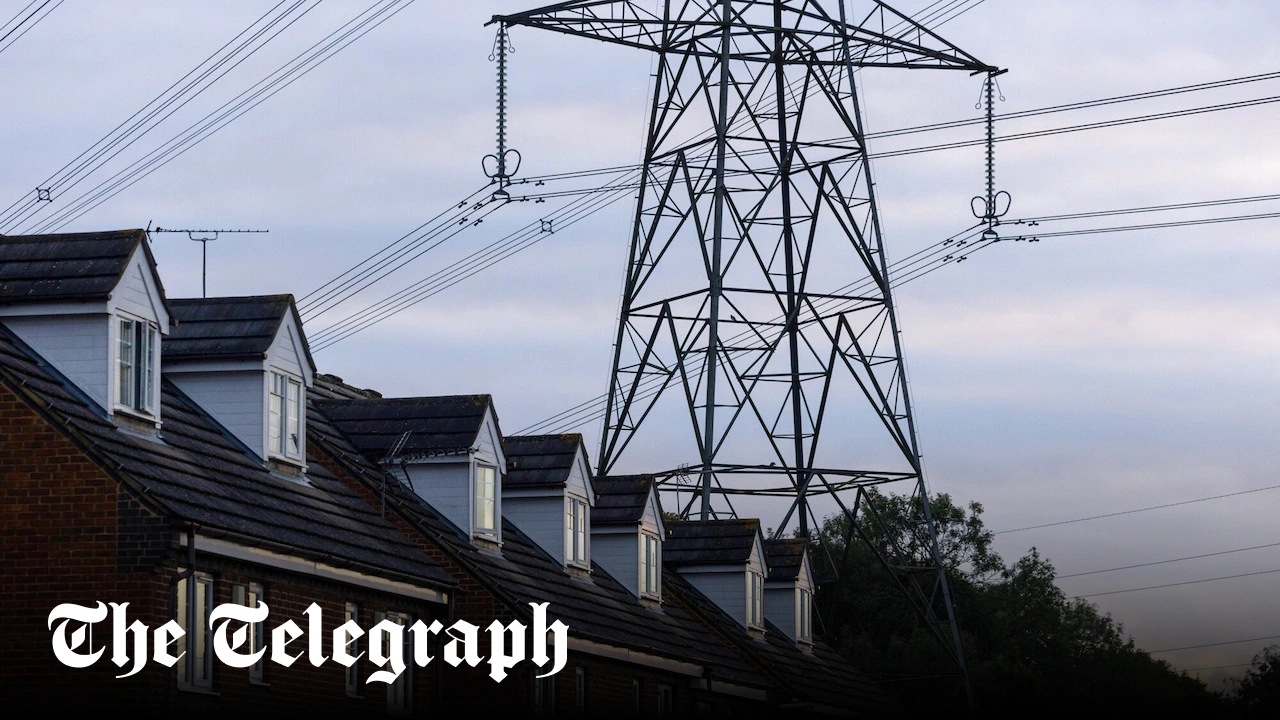
A net-zero overhaul of Britain’s electricity grid is at risk of becoming “the next HS2” as projects blow their budgets by almost 500pc, leading to higher energy bills for households.
Ofgem, the industry watchdog, is facing requests for substantial spending increases to build new power lines after a global equipment shortage triggered delays and higher costs.
The extra spending, if approved, will ultimately be footed by households and businesses through their bills and will amount to billions, if not tens of billions, of pounds.
Some developers say their total costs are now expected to be as much as 467pc above the original estimates.
The extraordinary figures have emerged from a report published by Ofgem that looked at eight projects being built in Scotland by SSE. The average implied cost increase was 283.5pc.
Ofgem has agreed to allow SSE to spend more on early construction costs, but said it was yet to decide whether any further increases were reasonable.
A senior energy industry source warned that the problem of overspending on grid projects was becoming “endemic” and compared the situation to the disastrous HS2 (High Speed 2) rail scheme, which busted its original budget by more than 200pc.
“There’s a very high risk here, frankly, that grid projects are set to become the next HS2,” they said.
‘Deeply concerning’
Ofgem has insisted it will “rigorously challenge” all cost rises.
But Ed Hezlet, an energy expert at the Onward think tank, said the “deeply concerning” forecasts raised difficult questions about the substantial pipeline of upgrades that were in train across the country.
He said: “Supply chains are difficult right now, but cost increases of this magnitude deserve much more attention from the regulator and the Government.
“If this inflation spreads into other planned transmission projects, consumers will be paying higher electricity bills for decades.”
The projects that reported cost increases to Ofgem were just a small fraction of the total national pipeline.
Overall, the Government has said some £80bn-worth of upgrades will be needed to realise Labour’s clean power plans for 2030.
But officials have admitted that total spending through to 2050 could reach as much as £240bn as the system is overhauled for net zero.
If that figure were increased by the average amount at which SSE’s project costs are rising, it would hit an eye-watering £920bn.
Network costs are already set to be the biggest driver of household bill increases between now and 2030.
They are set to rise from £207 to £342 per year by the end of this decade, out of a total estimated bill of £1,045 a year, according to the Electricitybills.uk tracker website.
An Ofgem spokesman said: “Ofgem has tough price controls to limit the level of capital spend passed on to consumers.
“These figures have not yet been through the final efficiency assessment. Every penny will be rigorously challenged by Ofgem.
“Nothing is judged efficient just because a network company forecasts it.”
A Government spokesman said: “A decade of historic underinvestment means our outdated electricity infrastructure is in need of upgrading, which is the only way we can build an energy system that can bring down bills for good.
“Ofgem’s price controls prioritise value for money for consumers while enabling this essential investment.”
A spokesman for SSE said: “These comparisons aren’t like-for-like. Early estimates were set years ago at the initial stage, while today’s figures reflect real construction costs in a rising and volatile global market where competition for grid equipment is fierce.
“Ofgem’s approach to this funding ensures costs are locked down as far as possible, while enabling vital investment that will help cut energy bills by enabling consumers to use more UK-generated electricity.
“Ofgem will only allow costs to be recovered where there’s a clear benefit for billpayers and anything later deemed excessive won’t be allowed.”