
Respiratory Syncytial Virus (RSV) continues to surge and is now the state’s leading notifiable infectious disease, above the flu and Covid.
There have been 3649 cases notified so fare this year, compared to 2194 flu cases and 3627 Covid cases.
SA Health noted RSV infection is the most common cause of bronchiolitis and pneumonia among infants under 1 year of age.
“Infections may recur throughout life,” SA Health warns. “In South Australia, infections are most common during autumn and winter.
“Most RSV cases present with a mild to moderate respiratory illness, but some groups of people may develop more severe disease.
“Primary infection with RSV – most often seen in infants and young children aged under 2 years – is generally more severe than subsequent infections at older ages.
“Very ill children and people at risk may require admission to hospital.
“Because RSV is a virus, antibiotics do not help. There are no safe and effective antiviral drugs for routine use for RSV.”
RSV immunisations are recommended for infants and children, adults older than 75 years, Aboriginal and Torres Strait Islander people aged over 60 years and for people with medical conditions that increase the risk of severe RSV disease.
It is free for eligible groups but without a government subsidy costs around $300.
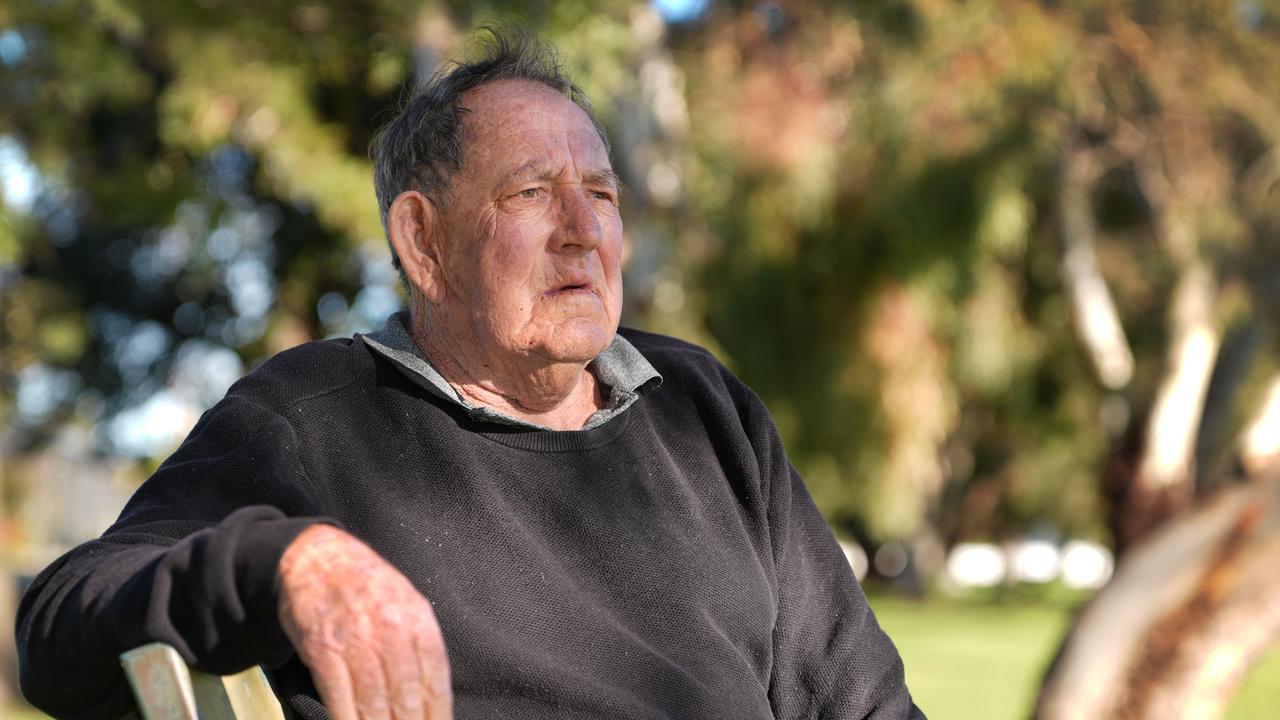
Some victims such as John Schulz, 77, of Semaphore South, may not be aware of the disease.
In June 2025, Mr Schulz became ill and needed urgent ambulance transport to Queen Elizabeth Hospital. Initially tested for Covid, he was later diagnosed with RSV – a virus he had never heard of before becoming critically ill.
Mr Schulz spent four days in hospital, including 14 hours in intensive care, while medical teams worked to stabilise his breathing and reduce his elevated heart rate.
Mr Schulz says he was later told he was “lucky to be alive.”
“RSV was far worse than the flu,” he said, adding it was worse than his previous experience with Covid. “RSV is not just the flu – it can be a killer.”
Originally published as RSV surges past Covid to become the state’s leading infectious disease