
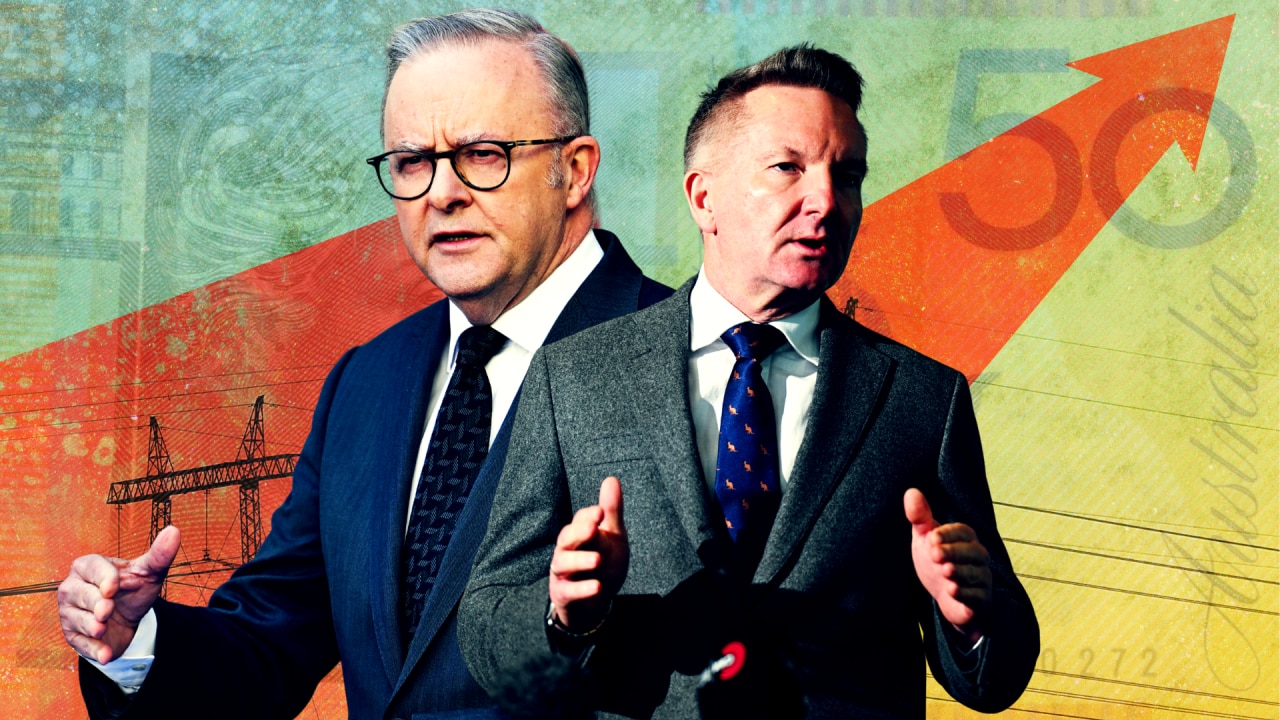
Australians are “sick and tired” of rising bills, as new polling has exposed growing concerns over the cost of the energy transition.
According to new polling, the majority of Australians are unwilling to pay anything extra to achieve net zero amid a nationwide cost of living crisis.
More than half of Australians said they would not be prepared to pay $1 more to support the transition to net zero, according to the Affordable Energy Australia (AEA) poll.
The Compass Polling research found 51.7 per cent of Australians were unwilling to pay anything extra for net zero, while 73.8 per cent said they would not pay more than $50.
Among Australians who paid electricity bills, the average amount respondents said they were willing to contribute was equivalent to around 5 per cent of their annual power bill.
This was despite the CSIRO predicting in its 2025-26 GenCost report that achieving net zero in the electricity system alone would increase costs by 13 to 29 per cent.
AEA spokesperson Zoe Hilton told Sky News host Peta Credlin Australians are “sick and tired” of bill increases under Labor.
“Governments across Australia have been pushing net zero for so long, and they’ve been promising people ‘this will make your bills cheaper’,” she said on Tuesday.
“The CSIRO has said this seven years straight: Renewables are the cheapest form of energy.
“We’ve had bill increase after bill increase. They are not delivering cheaper bills for Australians, and Australians are sick and tired of it.
“We need affordability first in our energy system. We don’t want ideology. We want economics.”
The polling also found just 27.6 per cent of Australians trusted the CSIRO to accurately estimate the cost of reaching net zero.
Forty-two per cent said they did not trust the organisation’s estimates and 30.8 per cent were undecided.
The CSIRO has faced criticism for its reporting methodologies, which have not always considered the total system cost of electricity and the renewable transition.
The results come amid an intensifying political battle over the cost and reliability of Australia’s energy transition.
The Albanese government has legislated net zero emissions targets by 2050 through the Climate Change Act 2022, betting the country’s future on renewables.
Labor argues renewable energy, backed by storage and firming technologies, will deliver a more reliable and affordable electricity system over time.
By contrast, the Coalition has argued Australia needs to prioritise affordability, reliability and traditional baseload power over the renewables transition.
The Coalition has said it will take an “energy agnostic” approach to the grid, and has promised to remove the moratorium on nuclear energy.
One Nation has called for the expansion of coal-fired power and the end of subsidies for wind and solar projects.
Meanwhile, Affordable Energy Australia has warned that one in five households are experiencing energy hardship or are on the brink of it.
AEA says the average household energy debt has reached $1,367, while electricity prices have increased by 220 per cent since 2004.
“Everything, manufacturing, it all comes down to the cost of energy, the cost of energy is the cost of everything,” Ms Hilton said.
“We have to bring back affordability, not ideology… We need engineering, we need economics, we need affordability.”
The polling comes after the release of the CSIRO’s latest GenCost report, which examined the future cost of the electricity system under different emissions scenarios.
AEA criticised the report’s findings and presentation, arguing Australians had not been given a full picture of the costs associated with achieving net zero.
“CSIRO should serve every Australian, but has now betrayed their trust by conforming their analysis to government policy,” Ms Hilton said.
“It’s shocking that our foremost scientific agency could try to hide the truth from everyday Australians when energy prices are cutting so deep.”
“Australia needs an energy plan that puts affordability first, restores trust, and keeps every option on the table.”
The AEA is calling on Australians to sign a national petition demanding the nation’s leaders prioritise affordable, reliable energy.
Electricity generation costs are forecast to increase sharply after 2030 as Australia replaces coal-fired power stations, according to new modelling from the CSIRO.
The latest report from the science agency and the Australian Energy Market Operator projects generation costs will sit between $80 and $90 per megawatt hour this decade.
However, they will climb to an average of $125 per megawatt hour by 2050 under a net zero pathway.