
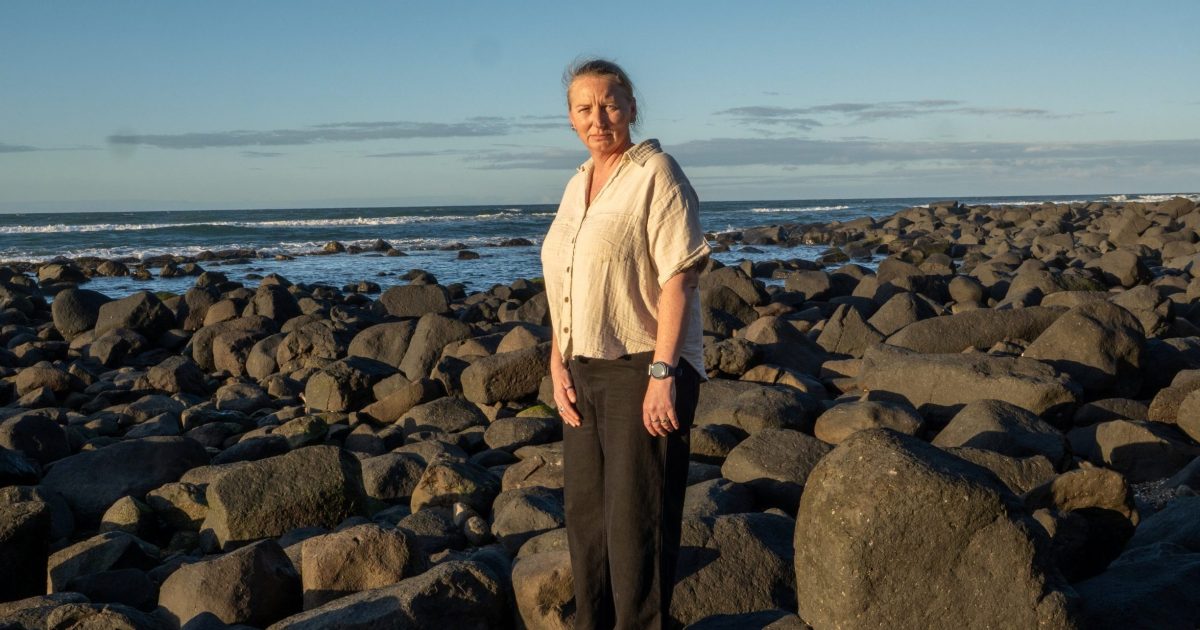
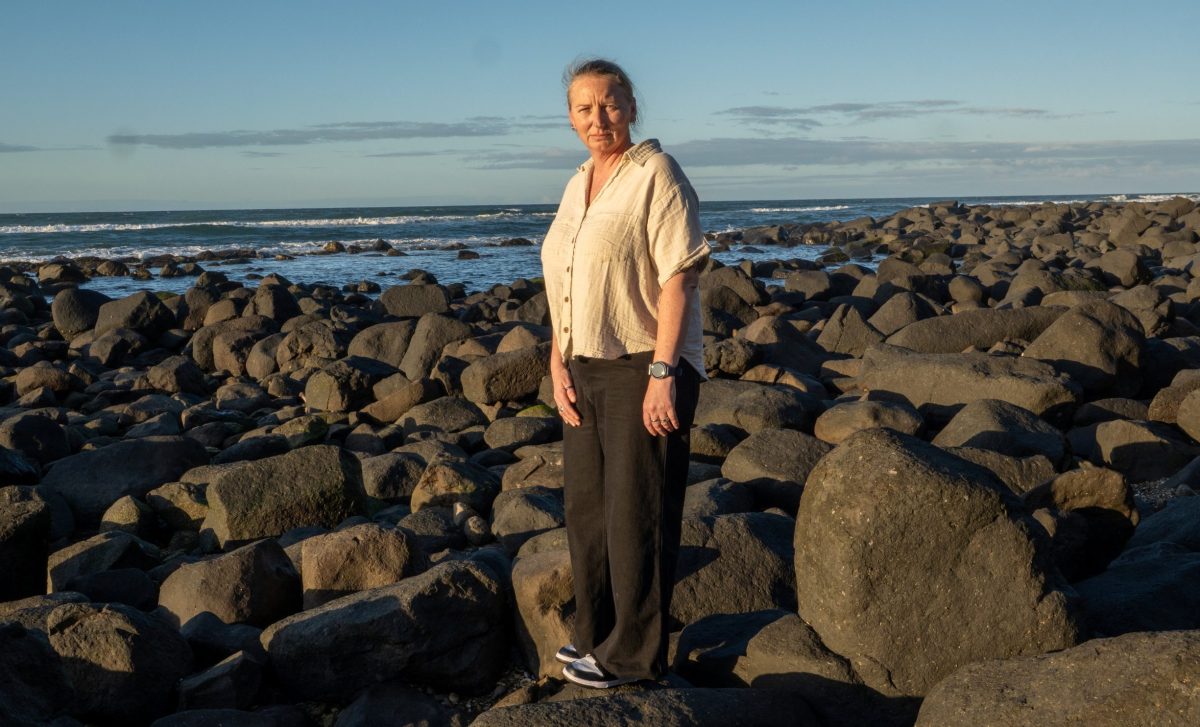
Kimberley’s journey to being diagnosed with chronic pain was difficult and isolating. Now she’s committed to helping others find support. Photo: Chronic Pain Australia.
CONTENT WARNING: This story contains references to mental ill-health.
A Kiama mum and chronic pain advocate is helping other sufferers to feel heard and supported through an isolating journey, after her own experience saw her hit ‘rock bottom’ and almost admit herself to a psychiatric ward.
Kimberley Grima was supposed to be healing from an injury, but her pain was just getting worse.
For nearly two years, she travelled to various specialists in Sydney searching for answers, but was instead met with uncertainty and disbelief.
“I went specialist to specialist; no-one could tell me what was wrong. I started to believe it was in my head and it didn’t exist,” Kimberley said.
It impacted every part of her life, including her ability to take care of her family and herself.
“I’m actually a carer to my three children with disabilities,” Kimberley said.
“So it impacted myself being a carer and I had to explain to my children and my husband and my family that I couldn’t do this alone anymore.
“I felt like a burden and just felt really worthless because that was my job as a mum and I just couldn’t fathom the thought of not being able to look after my own children let alone myself.”
The physical pain also took an immense mental toll and led her to extreme lows without any hope or sign of relief.
“I was in limbo that whole time thinking I was losing my mind and everything was in my head and I spiralled into depression and anxiety,” Kimberley said.
“At that stage I didn’t see the point of going on and I didn’t think anything about my future because it was just all too dark for me.
“It was just that I agreed to see one last specialist before I actually admitted myself to a psychiatric ward because I thought it was in my head.”
That orthopaedic specialist provided the lifeline Kimberley needed – a diagnosis of the rare chronic pain condition called complex regional pain syndrome (CRPS).
“I just burst into tears because of the validation that somebody actually believed me,” she said.
“And I had a diagnosis and I could move forward from there.”
With support from her GP, Kimberley built a team of medical professionals to manage her pain and improve her quality of life.
But she still lacked peer support from people who really understood her day-to-day struggles.
“Chronic pain is invisible so it’s hard for people to actually fathom that you’ve got pain when they can’t visualise it or see it anywhere on you,” Kimberley said.
“If you were to break your foot, you have that pain while you have the break and then it stops, whereas when you’ve got chronic pain it just doesn’t let up.
“It’s while you’re sleeping it wakes you up, when you’re working, when you’re walking in a shopping centre, when you’re just relaxing – it doesn’t stop, the pain just keeps going and going and going.
“And yes we can take medications and do therapies and things but the pain never fully subsides, it’s just to help control that pain.
“It’s debilitating and it’s draining and it plays such a big toll on your body.”
Once Kimberley was able to better manage her condition, she set out to make sure others didn’t have the same experience of isolation and uncertainty that she did and started the Illawarra Women’s Pain Support Group.
“We started off with just a small group and now we have 20 regular women who attend every fortnight and they are a really supportive group,” Kimberley said.
“We try to get people back out into the community as well so if there’s something they want to try we say, ‘OK, let’s all go.”
This month the group launched at a second location in Wollongong to help those from the northern suburbs access the vital support.
“The isolation is so real and you really need that peer-to-peer because having people around you and supporting you that understand what you’re going through and them going through a similar journey is really, really important,” Kimberley said.
“Chronic pain is a lonely journey for people but they are not alone.”
While it’s important for people suffering with chronic pain to understand there is help, more awareness is also needed in the wider community, including for medical professionals.
National Pain Week hopes to highlight the widespread personal, economic, and social impacts of chronic pain to help increase understanding and improve the lives of the millions living with debilitating pain.
“There’s so many Australians that have chronic pain; it’s one in five – and that statistic is the same for kids in pain,” Kimberley said.
“When we’re not believed, it’s impacting our mental health and therefore it’s costing the healthcare system a lot more in extra therapies, extra testing, extra everything.
“If there is an opportunity to learn something about chronic pain, be open-minded.”
For more information visit the Chronic Pain Australia website, or for support contact a local peer-to-peer support group or the PainLink Helpline.
If you or someone you know needs help, you can contact Lifeline’s 24-hour crisis support line on 13 11 14, the Suicide Call Back Service 1300 659 467, Kids Helpline 1800 551 800 or kidshelpline.com.au, or MensLine Australia on 1300 789 978.