
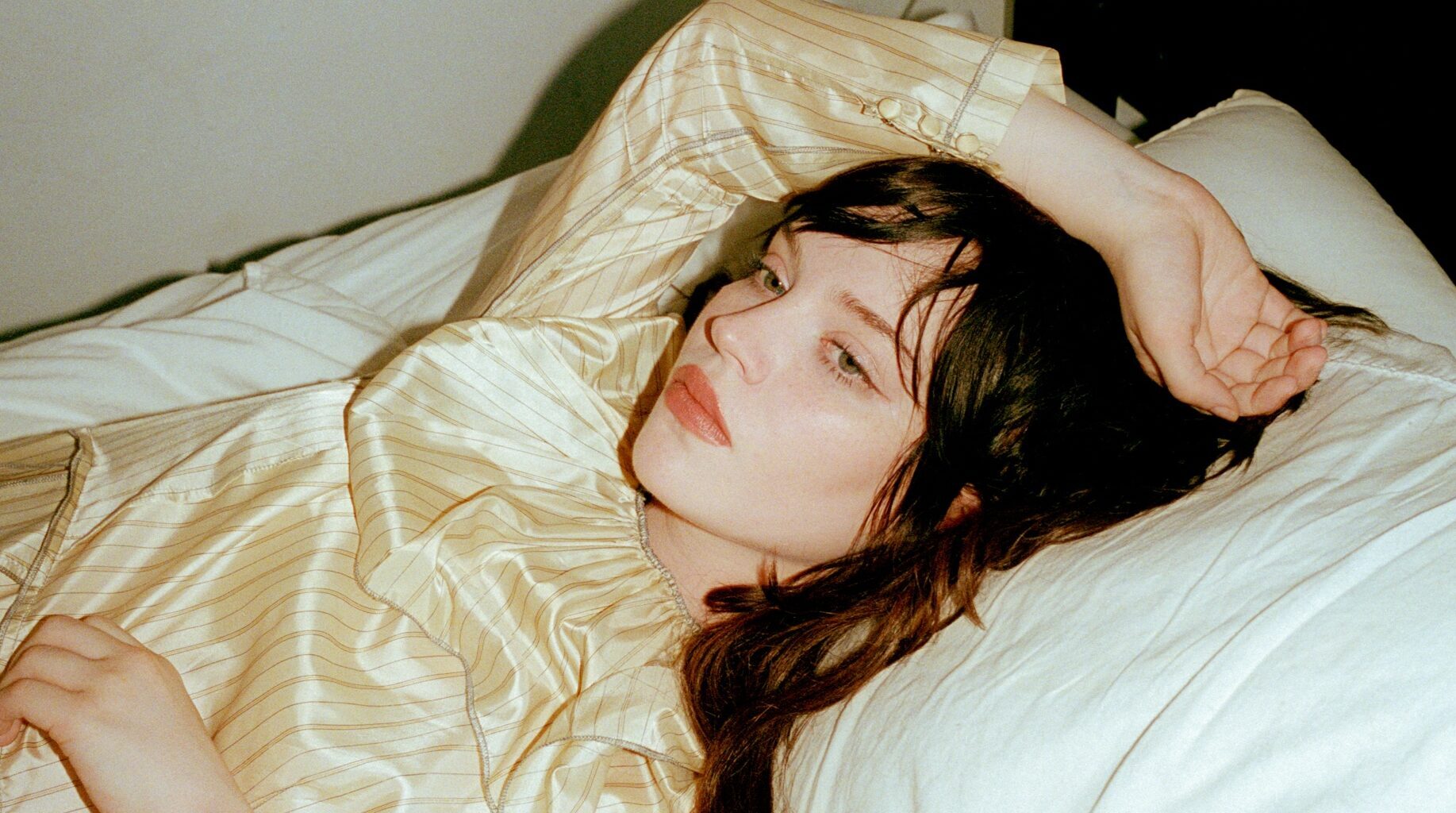
This story appears in i-D 377, out this September.
photography CHAD MOORE
styling SAM KNOLL
written by DOUGLAS GREENWOOD
For as long as she can remember, Sophie Thatcher has been lucid dreaming, waking up inside of her sleep to fly over cities she creates in real time. “I’m building everything in my head,” she says. “I do think I have a lot of power in that regard—I keep seeing almost everything in my life come full circle.”
Just some examples: Last night, she spoke with Charlotte Gainsbourg, an idol of hers, at a swanky Cannes party. Her teen adoration of Pavement paid dividends when the band asked if she’d appear in a music video of theirs in 2022. Animal Collective was her favourite band as a kid; now, she’s on first-name terms with its members. In short: When Thatcher wants something, it will find its way to her. It has always been on her vision board to make the weird shit, the kind that audiences find awe-inspiring and divisive. The hit television series that launched her career—the brutal survival show Yellowjackets—and the hot horror flicks that followed its success have not only helped Thatcher achieve that creative freedom; they’ve also turned her into an underdog heroine, the star of small indies that are hitting it big at the box office. As we speak, she’s wearing full Louis Vuitton under an umbrella shade at the Hôtel Martinez, holding court inside the art-house haven that is the Cannes Film Festival. Last night, her weirdest film yet premiered, and word of how it went down with critics has reached her. “I think it’s cool that it’s polarising,” she says, barely a minute into our conversation. “I’d rather make something polarising than something everyone agrees on.”
That project? Her Private Hell, the long-awaited return to cinema of Drive director Nicolas Winding Refn. Led by Thatcher, the cast includes Kristine Froseth, Havana Rose Liu, and a broody Charles Melton. It’s a strange science fiction movie about a girl looking for her fucked-up father as a murderer wreaks havoc upon the a mist-shrouded metropolis. As the lights came up during the film’s standing ovation, the festival’s roaming camera homed in on Thatcher, projecting her otherworldly face onto the screen. She sobbed uncontrollably.
“I was overwhelmed,” she tells me, “and, like, relieved. Every shoot is hard, but this shoot was confusing, and really challenged me in ways that I wasn’t used to. Ultimately, it made me a much stronger and braver actor.”
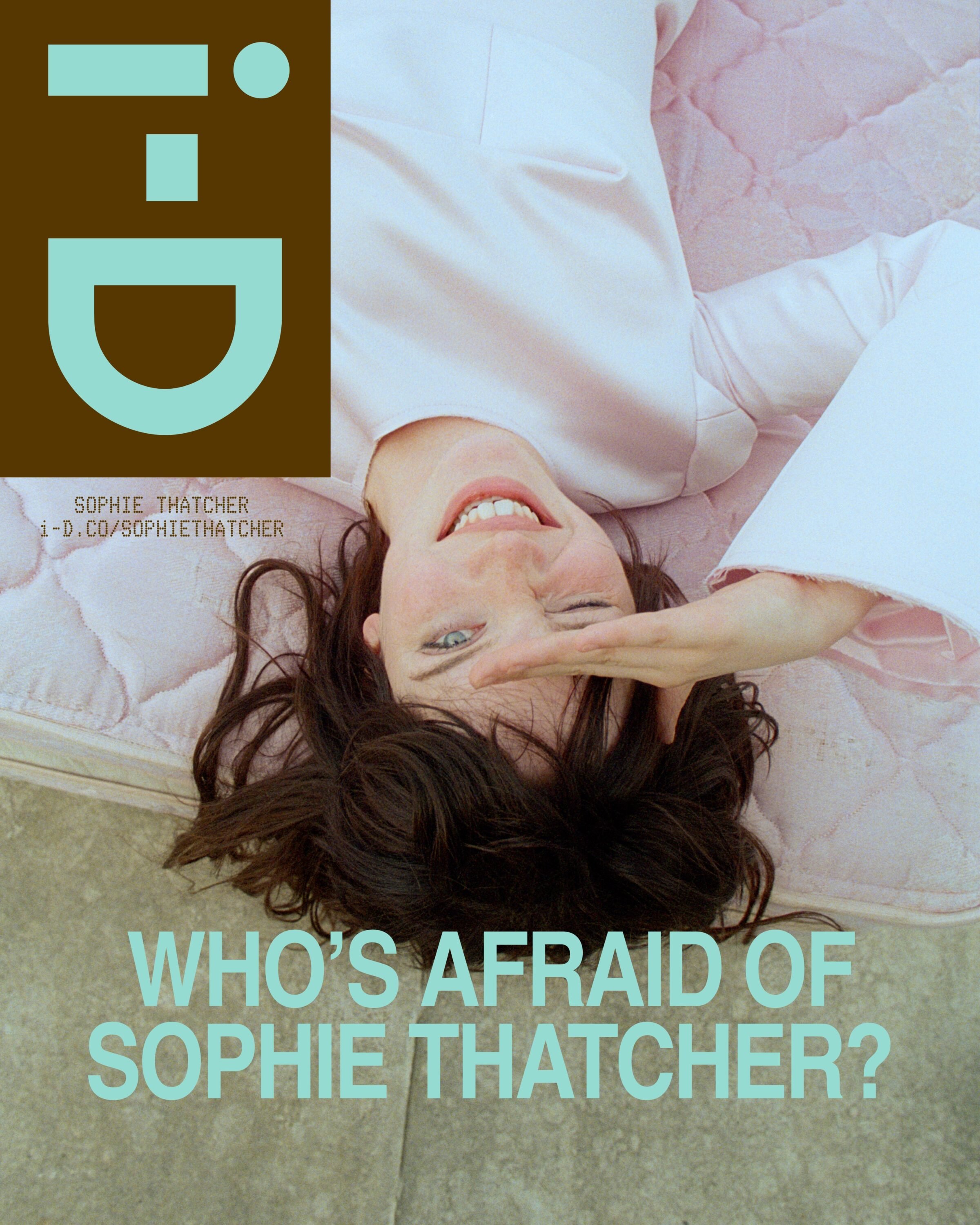
dress acne studios
Despite being the film’s lead, Thatcher’s character, the anguished and lost Elle, was one of the last to be cast. “The moment she walked through the door to meet me, I knew she was the one,” Refn tells me. “Something about her aura and presence immediately felt right.” And so, for 12 weeks in Refn’s hometown of Copenhagen, Thatcher embedded herself in the life of Her Private Hell and its maker.
Every day, Thatcher would step into this severe, lacquered world, knowing the plan could change because of Refn’s instinctive filmmaking process. “There was nothing to lean on, and in a way, it forced you to be fully present and immerse yourself in the day rather than thinking about tomorrow,” she says. The camera would roll, and Thatcher would be in a meditative, trancelike state. The first time we see Elle, she’s bumping into Hunter, played by Kristine Froseth, in the lobby of her flat. Her only memory of that scene? “My vision started going blurry because I was so still.”
Refn trusted her opinion too. He took her note, for example, on removing as many mobile phones as possible to make the movie feel more like a fairy tale. The pair had bonded over the film’s reference points, like the work of English filmmaker Nicolas Roeg (Her Private Hell’s legendary composer, Pino Donaggio, also worked on Roeg’s Don’t Look Now) and Kenneth Anger’s Scorpio Rising. “That film was one of the first things Nic sent me,” Thatcher says of Anger’s classic. She had, of course, already seen it. “It often felt as though we were speaking the same language,” Refn tells me.
Thatcher says Refn felt “like a father to me,” as she practically lived with him and his family, befriending his daughter, Lola Corfixen, who has a small part in the movie. Refn echoes that: “What better way to spend the summer than by adopting Sophie for a while? It was wonderful having her with us and very painful to give her back to the world.”
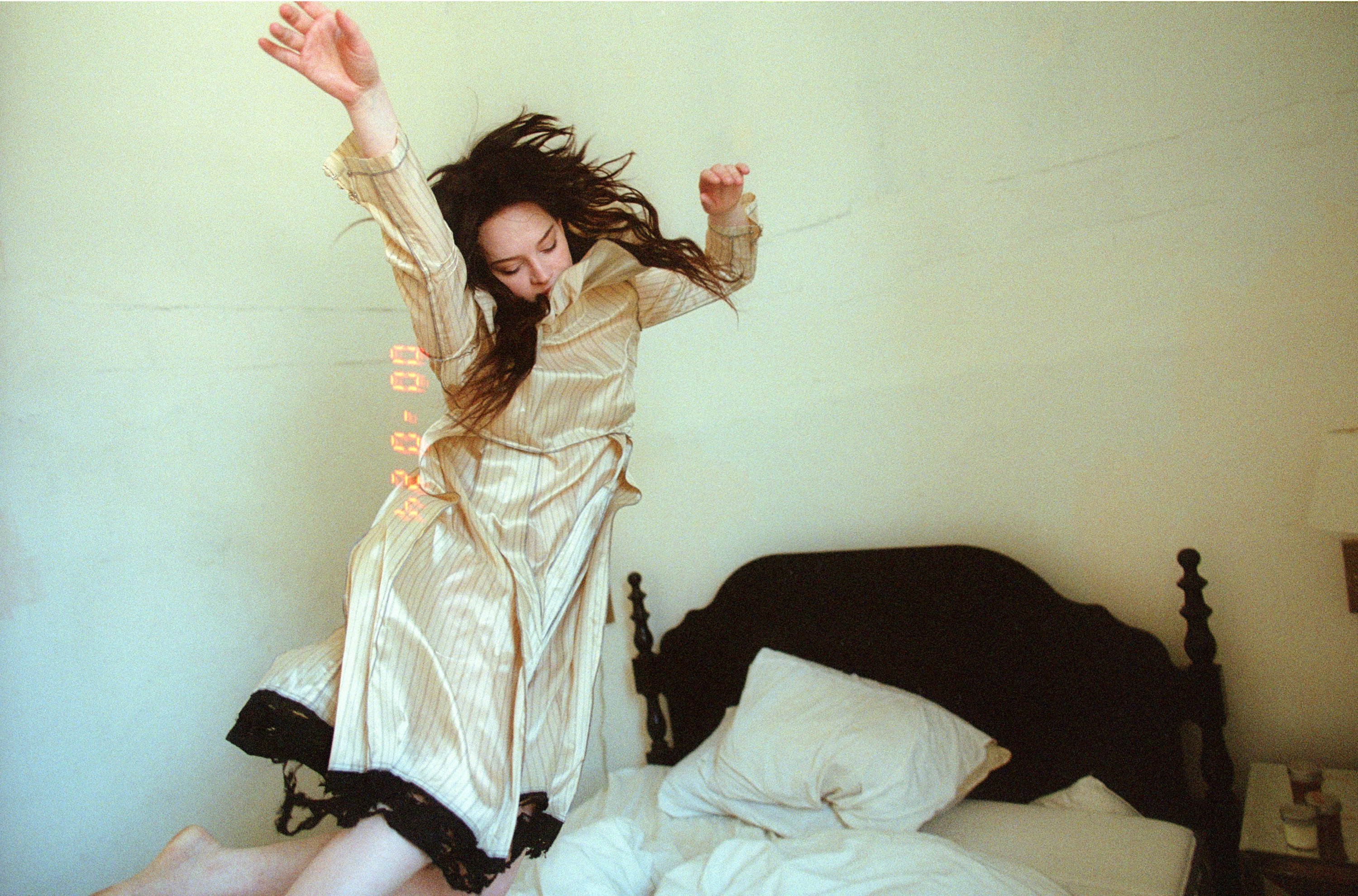
dress coach
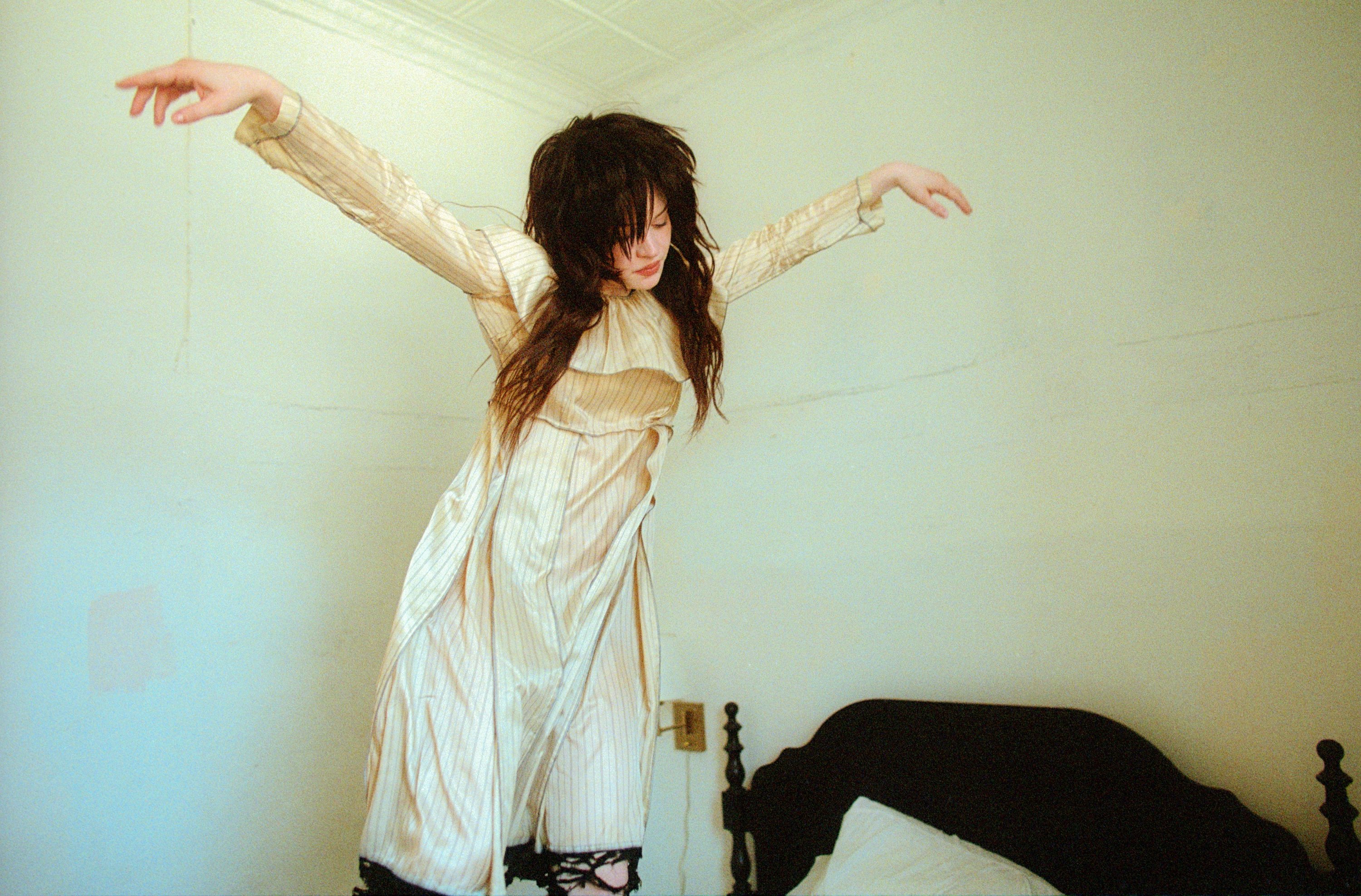
dress coach
dress coach
dress coach
dress coach
dress coach
dress coach
dress coach
dress coach
dress coach
Some of the criticisms of Her Private Hell include how loyal it is to Refn’s own vision (one critic from Decider wrote that it was “deeply personal to its creator, but in a way that a convoluted dream might be personal to someone explaining it badly”), but you do believe Thatcher when she says that lack of sycophancy is appealing to her. Perhaps to her benefit, when she makes crowd- pleasing, commercial swerves, they largely go under the radar. Did you know she was in a Star Wars spin-off series? Or a studio take on The Boogeyman during the Stephen King adaptation boom?
She has the reverse effect on indie horrors: Companion and Heretic, two original, low-budget projects with Thatcher as their stars, were critically well-received and box office smashes. It was a sign that she could carry material not just on television, but on the big screen, too. It also earned her the reluctant, sort of reductive title of “scream queen.” She understands how she got here, and loves the company (Possession and Shelley Duvall’s barnstorming performance in The Shining mean a lot to her), “but I think this has opened the doors for auteur directors, hopefully, because I want to get into more experimental filmmaking, where I’m fully a part of it. You don’t just show up and be a robot.”
Immersing herself in the process is something she’s been up to since day one. She is an Illinois girl, raised in the Hyde Park neighbourhood of Chicago and nearby Lake Forest, in a Mormon family of opinionated, art-literate people. Her older sister Emma is an activist, so she learned early on that “nothing comes from sitting on the fence.” Much of what she knows about movies derives from her brother Alexander (“really pretentious, and a huge cinephile”), who indoctrinated her into the Criterion Collection school of thinking as a kid. He’s now a journalist, working in Tbilisi, Georgia. Her twin sister Ellie is a multidisciplinary artist who similarly traverses the worlds of music and visual art.
Thatcher was just 4 years old and a self-described “brat” when she told her parents she wanted to try acting. They enrolled her in a performing arts school. She made her professional stage debut in a Light Opera Works production of The Secret Garden, playing Mary Lennox. That production’s director, Stacey Flaster, remembers Thatcher as “an adult in a 10-year-old’s body, understanding everything that I said to her.”
“No, seriously,” Thatcher says, deadpan. “I wanted to seem really mature, and I felt like none of the kids understood me, because I was working with adults.” She started to feel like one of them. “Even when I was 12, they would be telling me about their problems with their husbands, and I’d be there…” She nods along attentively to a nonexistent conversation. “I think that influenced me in a way.”
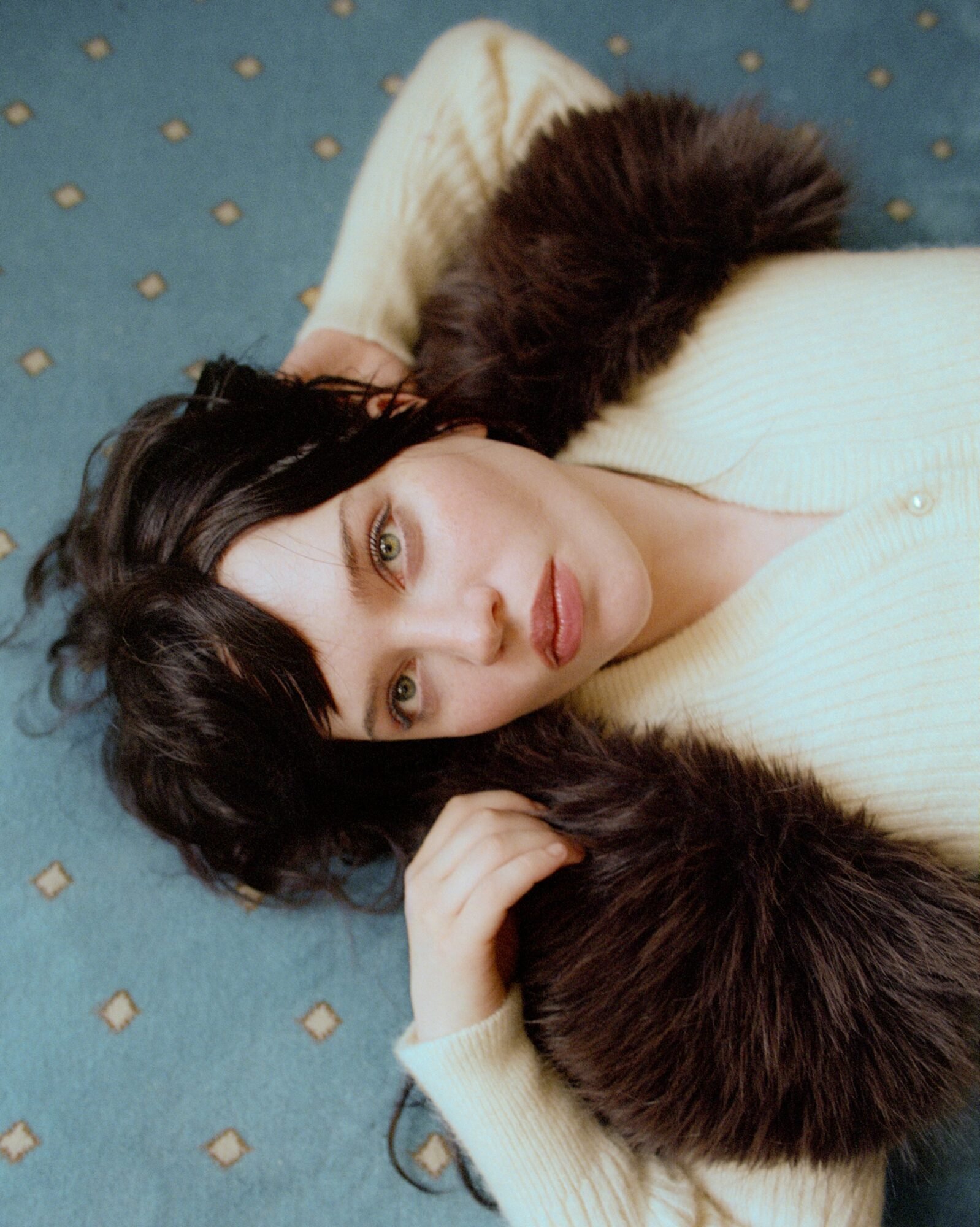
top vaquera
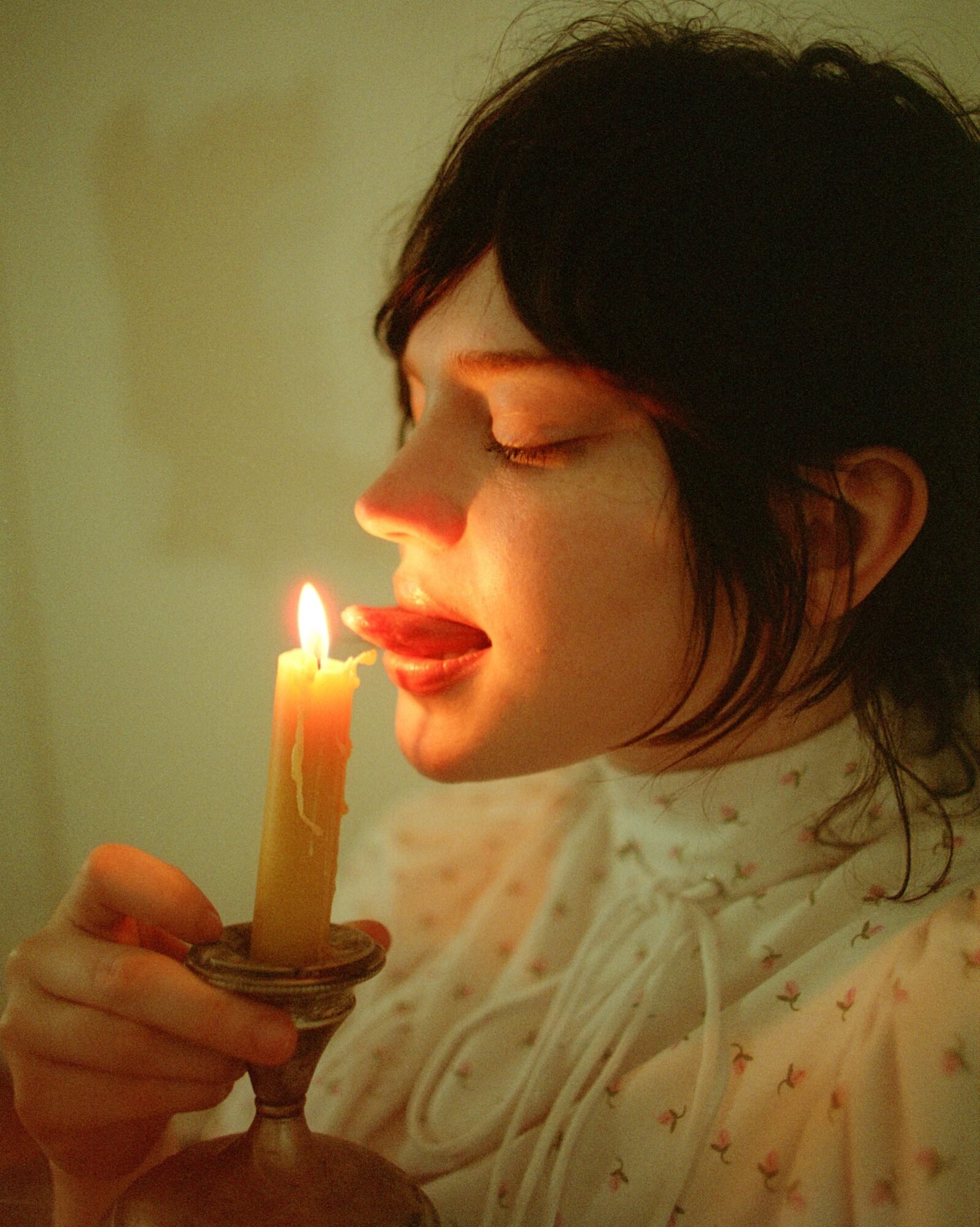
top lucila safdie
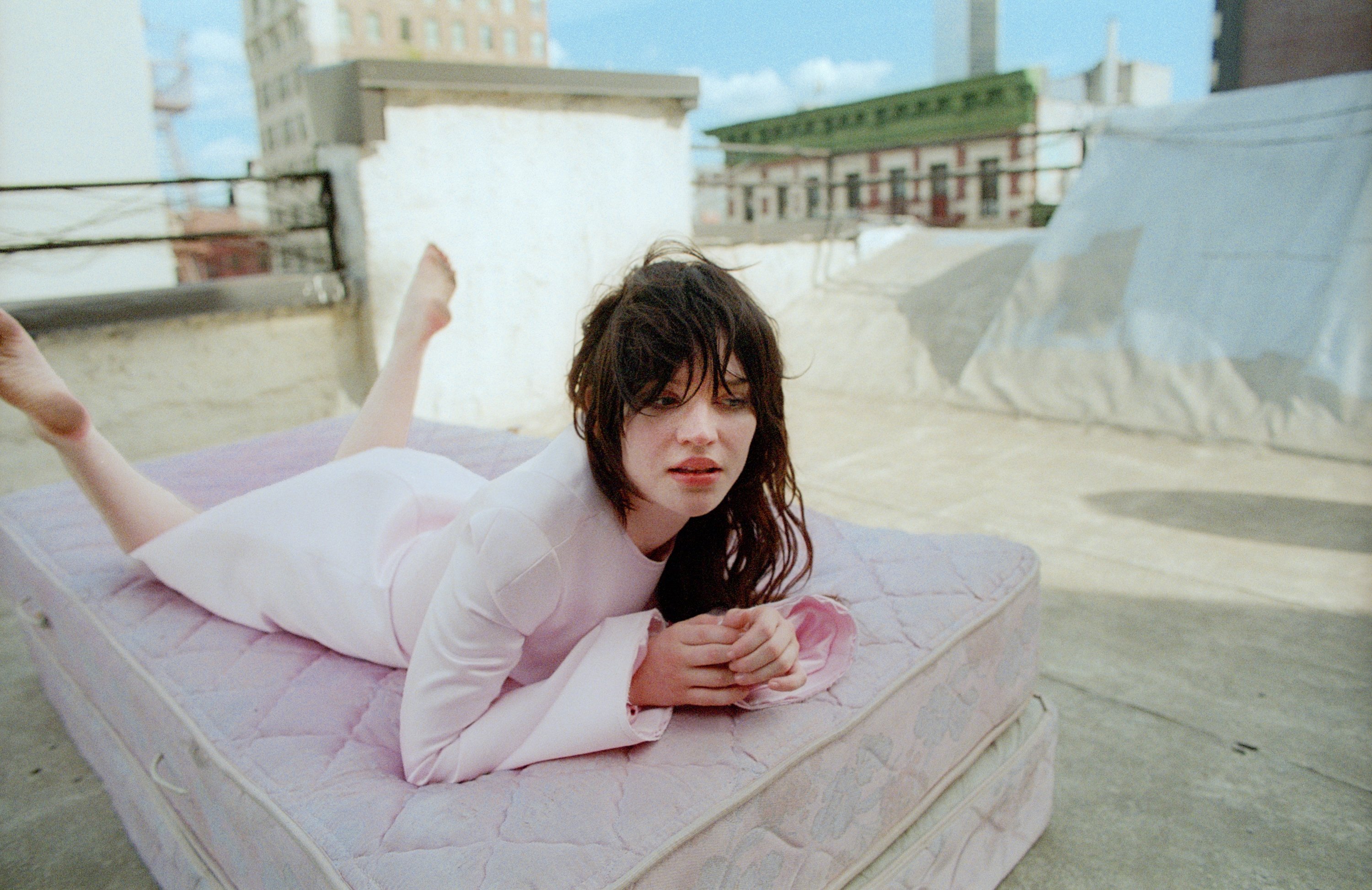
dress acne studios
Maybe it was that early exposure to good movies (she saw Pan’s Labyrinth aged 7), or the makeshift therapy sessions she staged with Chicago’s millennials, but Thatcher does seem older than 25. More mature, better attuned to bullshit. During our conversation, she’ll happily dwell on subject matters others might not know their way around, be it the politics of filmmaking or actual politics.
She’s one of the few American actors unafraid of speaking out against the genocide in Gaza and ICE’s attack on immigrants in the US. “I think everything is inherently political, whether you like it or not,” she tells me. “It’s easy to get into a bubble when you’re an actor and living this world, and I never want to fall into that trap. I try to stay in tune and use my platform, because, you know, my career doesn’t matter. Now that I actually have a following, I’d rather spread information [about] what’s going on in the world than be silent. I think it’s lazy not to.”
There’s little time for Thatcher to be able to sit in this moment. The day after our conversation, after she’s made an appearance at a fashion dinner, she flies back to Vancouver to chip away at the final season of Yellowjackets. “We’re rescued this season, and something about being back in the high school with the fluorescent lights… I’ve had some panic attacks on set…”
“PTSD?” I ask.
“I’m not joking. The fluorescent lights, and those square tiled ceilings. It’s not a good feeling.” The Showtime series has consumed nearly six years of Thatcher’s life. “I’m so grateful, but I’m really ready to let go of the character, because I feel like I bring her into every movie,” she says. “It feels like Natalie is a ghost haunting me sometimes.”
A month later, on an off day from playing Natalie, Thatcher answers my call from a restaurant in Vancouver. She feels as though she’s lived a dozen lives since we spoke at Cannes. One new development: A proud technophobe, she’s finally installed Apple Pay on her phone.
“I was terrified at first, but I locked into something that felt like I was transcending.”
sophie thatcher
Another update: The Yellowjackets shoot has felt good, vibrationally different from the past three seasons. Each night at around 9 o’clock, she heads to the lake to watch the sun set over the water. Being in nature is isolating but healing. She is coming to terms with the fact that the character that has defined the better part of her adult life is leaving. “Natalie is an extension of myself now,” she says, “and I don’t want anything to do with myself.”
She misses home and her twin sister with whom she lives and speaks to a lot about their ideas for claymation movies. She misses being in the rhythm of making music more autonomously. “I love lo-fi things, because I think there’s so much heart and charm to them,” she says. “But I’m riding this wave right now, and I can’t stop it because I have to go fully into music or fully into acting. It’s hard to sprinkle.” That’s not stopped her from flirting with it in the meantime: Her worlds collided at a Prada Mode event at New York’s Chelsea Hotel this June, where she appeared with Refn and video game legend Hideo Kojima. For her first live performance, she sang a handful of her own songs, as well as a cover of Clinic’s “Distortions.” “I was terrified at first,” she says, “ but I locked into something that felt like I was transcending.”
She views this chapter of her life as “an era of freedom,” she says. “I don’t know if I’ll go back to television, because I’m the kind of person that wants to immerse myself in something for two months and then let it go.” Hopefully later this year, we’ll see Peaches, a Hong Kong-set movie about two sugar daddy-scamming best friends she made with Havana Rose Liu. Its inspiration is the Czech 1960s classic Daisies by Věra Chytilová—one of Thatcher’s favourites. But after that? A clean slate. She wants to make movies with Kelly Reichardt, and Todd Solondz, and—if his health improves—the controversial genius Lars von Trier. “I want to set a different standard for myself and work with artists with a singular vision,” she says.
“I can’t stay in the middle. I don’t want to be safe.”
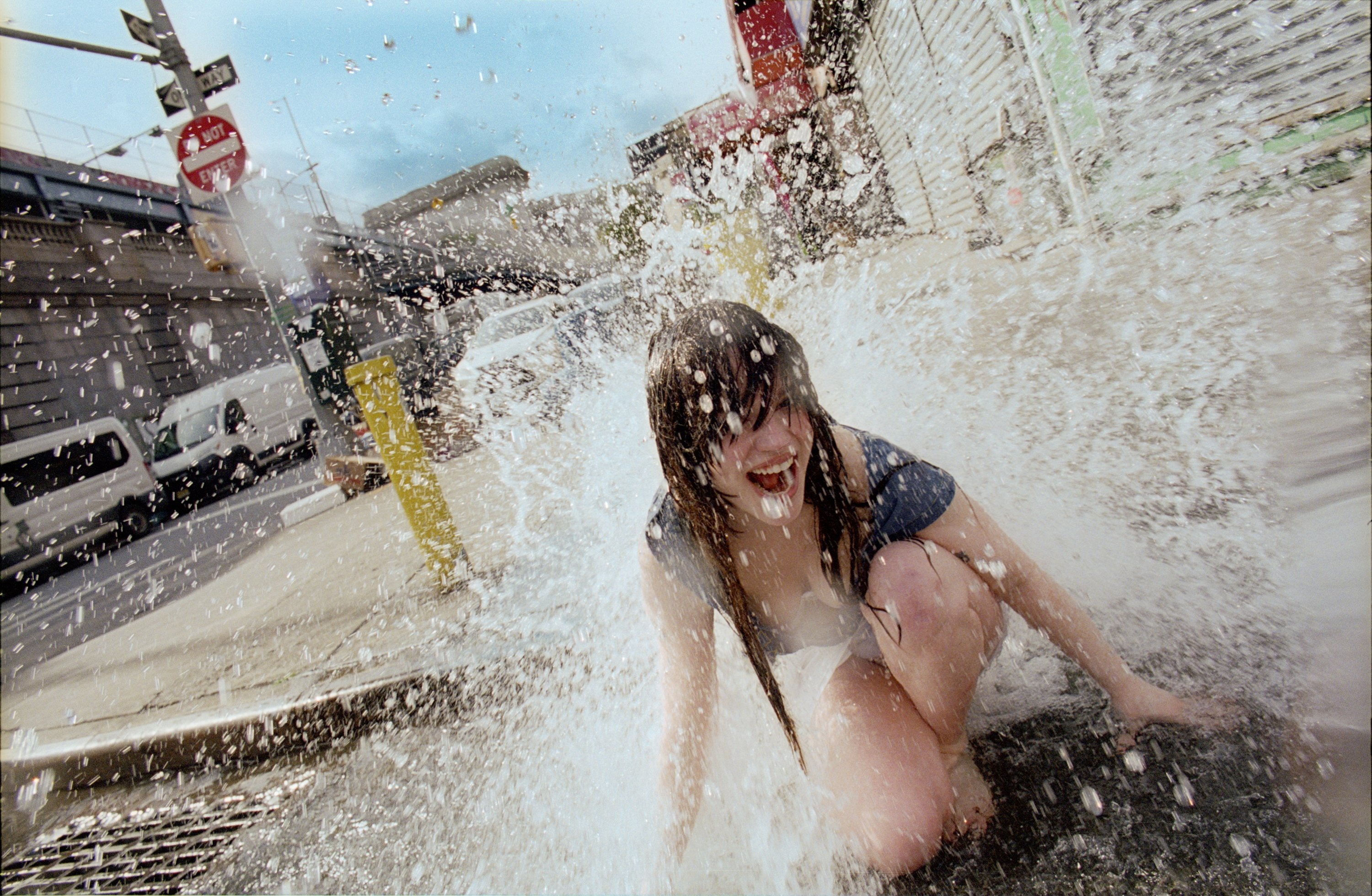
top kiko kostadinov, skirt lucila safdie, bra araks
in the lead image Dress COACH
hair ERICKA VERRETT USING BUMBLE AND BUMBLE AT A FRAME AGENCY
makeup ROBERT RUMSEY USING DIOR BEAUTY AT A FRAME AGENCY
nails LEANNE WOODLEY USING ESSIE AT SEE MANAGEMENT
set design MILENA GORUM
photography assistant TRISTAN MARTINEZ
styling assistant SOPHIA ROMULO
set assistant CHIARA ZANGARI
production THE MORRISON GROUP
production assistant TAYLOR MCKIE