
One of the most memorable scenes in The Martian (2015) comes just minutes
into the film, when a violent dust storm forces NASA astronauts to abandon their though to be lost crewmate. While author Andy Weir has noted that Mars’ thin atmosphere couldn’t produce that kind of force his creative license got
one thing very right: Mars is an extraordinarily dusty world.
That dust is expected
to be among the biggest hazards for astronauts, prompting NASA to establish its
first recommended exposure limits for airborne Martian dust as the agency
prepares for future human missions to the red planet.
The new recommendation sets continuous exposure limits four times lower than lunar dust. The conservative threshold reflects not just the dangers already known but also what researchers still don’t know about how prolonged exposure to Martian dust
could affect the human body.
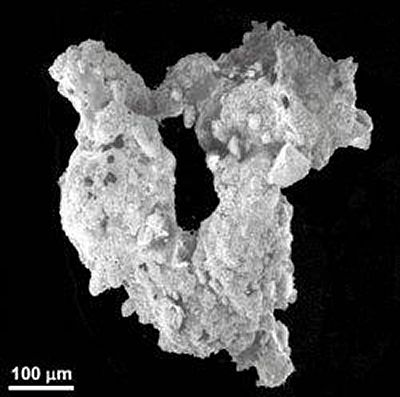 without wind and water to weather it, Moon dust has sharp jagged edges
These concerns aren’t theoretical. Apollo astronauts discovered
that lunar dust behaved nothing like ordinary dirt. The fine, abrasive
particles clung to spacesuits, worked their way into the Lunar Module and
irritated astronauts’ eyes and airways after moonwalks. Apollo 17 astronaut
Harrison Schmitt described experiencing what he called “lunar hay fever.”
More than 50 years later, Apollo spacesuits preserved by the
Smithsonian’s National Air and Space Museum still contain lunar dust embedded
in their fabric and seams.
One approach to limiting astronaut exposure to lunar or Martian dust is
to leave it outside their living spaces.
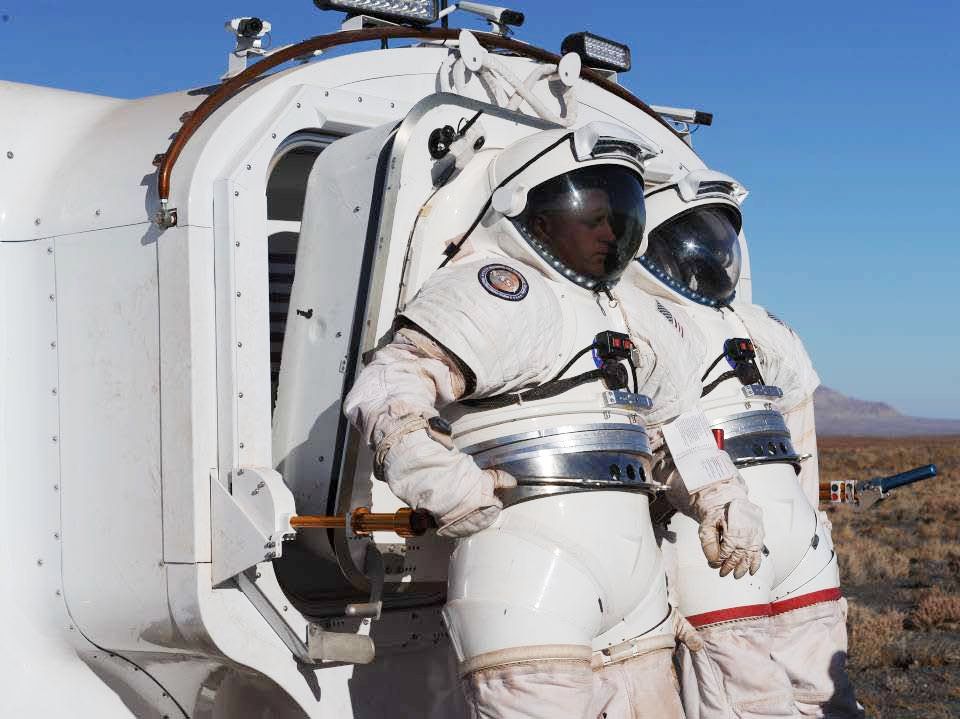 attaching suits to rovers and habitats enables astronauts to explore the Moon and Mars while leaving harmful dust outside
NASA has spent years developing “suitports,” which keep spacesuits
attached to the outside of a habitat or rover. Instead of bringing a dusty suit
indoors, astronauts climb into it through a hatch in the back, complete their
day’s exploration, then dock the suit back onto the vehicle before reentering
the habitat, helping keep dust out of the crew’s living space.
Moon dust, or lunar regolith, is made up of pulverized rock and
mineral fragments created over billions of years by meteorite impacts. Without
wind or water to weather the particles, they retain sharp, jagged edges that
cling to equipment and can irritate lungs and eyes
When you think of Martian dust, don’t think beach sand, think finer
than baby powder, with particles about the size of those that make wildfire
smoke hazardous to breathe. That allows the dust to remain suspended in the
atmosphere and penetrate deep into the lungs. Unlike lunar regolith, Martian
dust also contains perchlorates, reactive salts that researchers are studying
for their potential health effects during the months or years astronauts could
spend on the red planet.
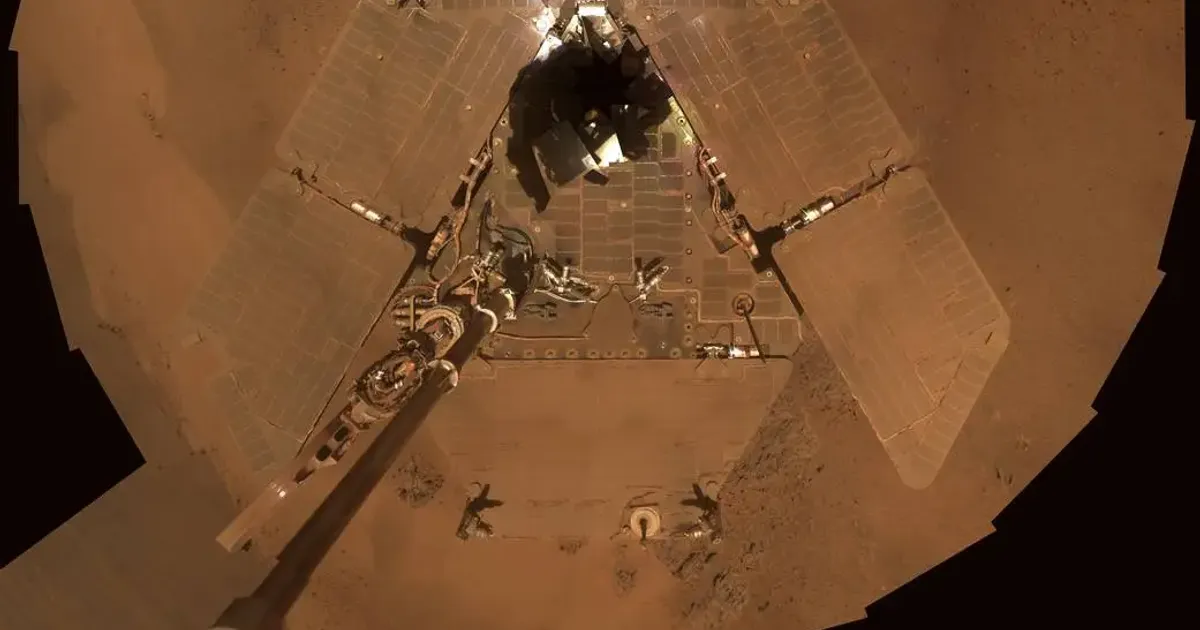
NASA’s robotic explorers have already shown how relentless Martian dust
can be. The Opportunity rover survived nearly 15 years before a global dust
storm in 2018 blocked enough sunlight to end the solar-powered mission.
InSight, the lander that recorded the first mars quakes, gradually lost power
as dust accumulated on its solar panels.
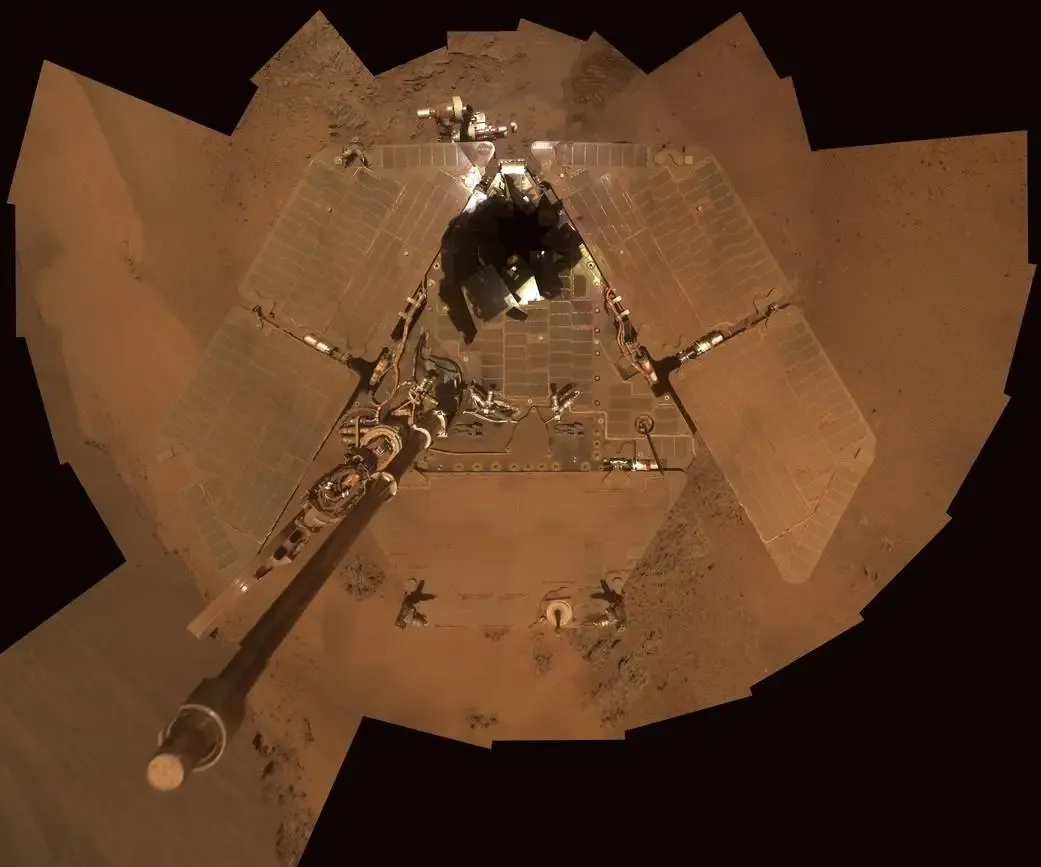 accumulated dust is clearly visible in this self portrait from NASA’s Mars Exploration Rover Opportunity
These exposure limits set up engineers to develop better filtration
systems, dust-resistant materials, contamination controls and habitat designs
that keep as much of the Martian environment as possible outside. They Martian
dust simulants in laboratories on Earth to refine those limits before the first
astronauts arrive.
The work is already paying dividends closer to home. Building on decades
of life support and air filtration experience aboard the International Space
Station, engineers have developed air quality sensors to monitor fine lunar
dust inside future lunar habitats for the Artemis program. Adapted for use on
Earth, the same technology is now helping track air pollution, wildfire smoke
and industrial emissions.