
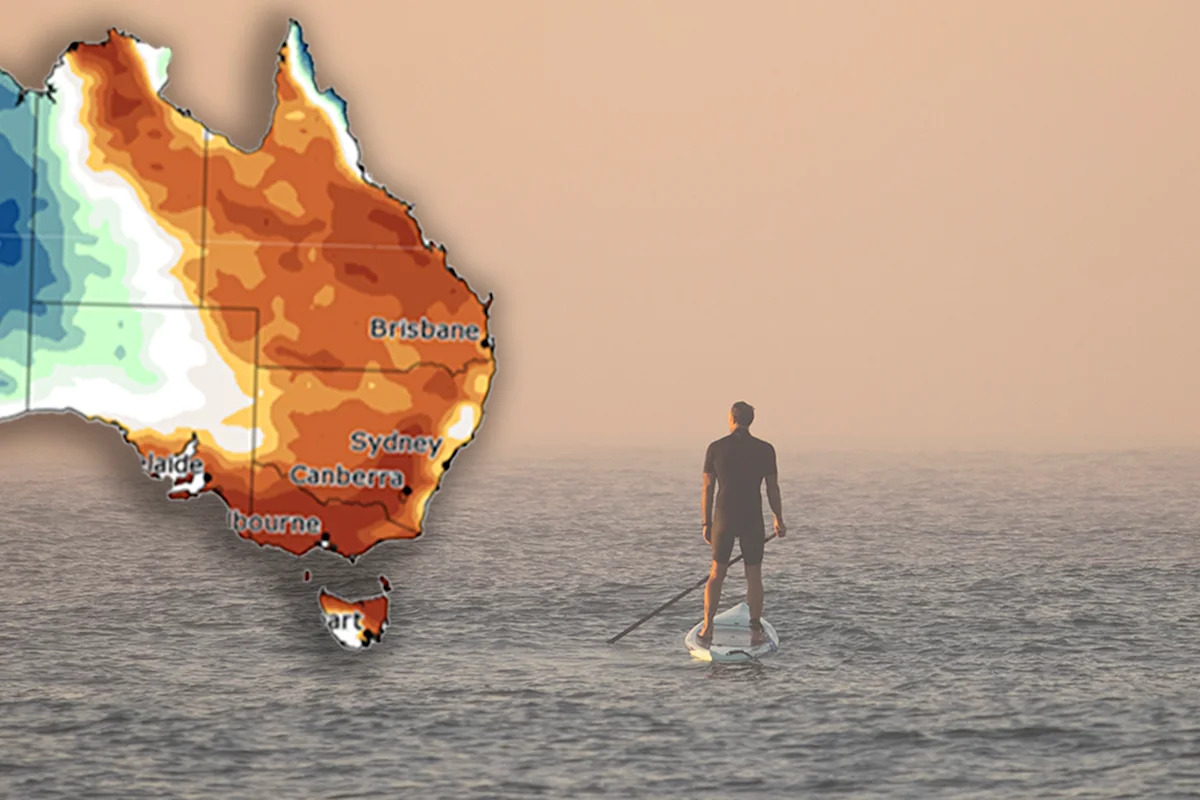
Australians are being urged to prepare for what could be a bumper bushfire season, with devastating wildfires raging overseas and the strongest El Niño event in more than 75 years on the horizon.
More than 300,000 people have been forced to flee their homes over the weekend in France and Spain as wildfires burn out of control.
And with a ‘super’ El Niño looking more and more likely, Australians are being urged to be ready and act now to protect their homes ahead of the warmer months.
New research from the NRMA Insurance Wild Weather Tracker shows as many as one in four Aussies live in a bushfire or grassfire risk area.

The echidna foraging for food in the burnt bushland of the Grampians National Park. Source: Peter Kervarec/Supplied
A staggering 42 per cent of residents admitted they do not feel prepared for bushfires, the report issued in autumn 2026 said.
“With an El Nino weather system driving hotter temperatures globally, Australians need to be ready for what we’re seeing unfold overseas and take steps to prepare for bushfire season,” NRMA Insurance Meteorologist Kathryn Turner said.
What makes a ‘super’ El Nino?
El Niño is a natural climate pattern in the Pacific Ocean in which sea temperatures are unusually warm in the central and eastern parts of the Pacific. The climate driver can cause reduced rainfall, warmer temperatures and an increased risk of bushfires and drought.
A ‘super’ El Nino is an informal term for a very strong event where sea surface temperatures rise by at least 2°C.
The Bureau of Meteorology declared an El Niño event was underway earlier this year, in what could be the “strongest event since 1950”, Weatherzone meteorologist Craig Mitchell said.
The Bureau’s rainfall outlook for the next three months also indicates less rainfall across Australia’s east.
Mitchell compared the current strengthening event with previous strong events from 1997 and 2015 and noticed some “interesting similarities”.

A sea surface temperature map from May 2015, before the last ‘super’ El Nino event. The rectangle shows the region where high sea surface temperatures were recorded.
(Weatherzone)
The same map from May of 2026 shows a very similar sea surface patterns.
(Weatherzone)
Graphs from all three years show “significantly warmer” sea surface temperatures.
Average ocean temperatures peaked at 2.4°C above normal over the last three months of 1997, and at 2.75°C above normal between November 2015 and January 2016.
Rainfall across central and eastern Australia was also below average, with 2015 “proving to be a particularly dry year”.
RELATED:How can you protect your home?
On average, in NSW, the cost of a bushfire claim is 69 per cent more than the next most costly peril, flood.
Which is why NRMA Insurance Property Assessor Judi Hindson is advising Aussies that while “You can’t stop a bushfire”, with a few “simple actions” people can reduce how vulnerable their home is.
Here is a list of tips from NRMA on how to prepare your home:
Trim overhanging trees and shrubs, keep grass short and remove debris from your property.
Seal gaps around doors, windows, external walls and cladding.
Install metal gutter guards and fit metal mesh screens to windows and doors.
Enclose areas beneath your home to prevent ember entry.
Ensure hoses are long enough to reach all sides of your house.
Keep your fireplace chimney clean and well-maintained.
Store flammable items, including woodpiles and mulch, well away from your home.
The insurer also advises people to check their insurance cover every year to ensure they have the right level of cover for their home and for contents insurance.
Aussies can complete a bushfire home self-assessment on Resilient Building Council’s online home assessment app to find out how to make your home more resilient to bushfires.
“When you’re impacted by a bushfire, what’s lost isn’t just a structure. It’s memories, security and a sense of normal life,” Hindson added. “Strong, year-round fire mitigation can help keep your property and family safe.”
You can also follow us on Facebook, Instagram, TikTok, X and YouTube.