
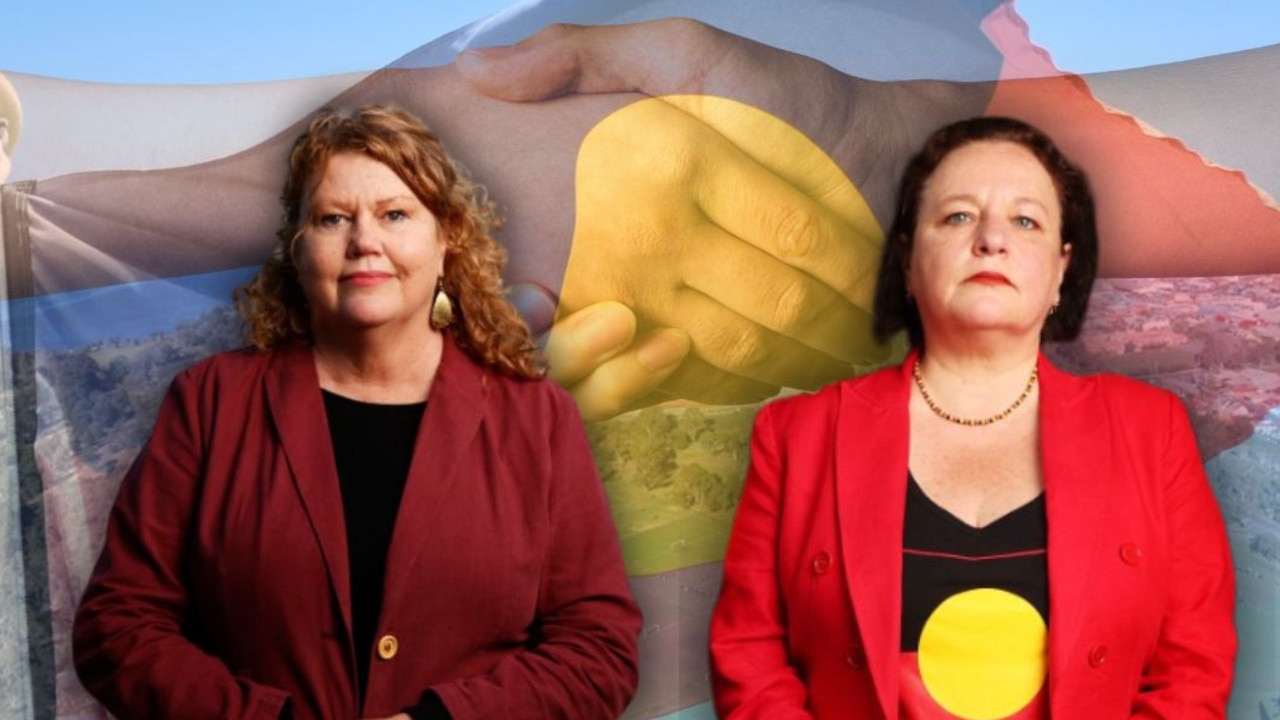
It is understood to be the first time a capital city has initiated a land return.
It also marks the first Aboriginal land return in Tasmania in two decades.
Lord Mayor Anna Reynolds said the decision carried both local and national significance.
“Today’s decision is a significant milestone and the first step in returning land to the Aboriginal community to allow for the recognition and celebration of Tasmania’s Aboriginal culture and connection to country in the heart of an Australian capital city,” she said.
“This is a nationally and locally significant indication of the Council’s support for a land handback – the first in Tasmania for two decades.
“There is still substantial work ahead and any future land transfer would require a separate Council decision, but today’s outcome reflects a willingness to genuinely explore an opportunity of historic significance for our city and state.
“With good will from all parties, my hope is that we can turn this strong intention into a reality.”
The successful motion authorises the council’s CEO to begin the necessary investigations into the mechanics of the proposal, which identifies 4.9ha of grassland at Queens Domain.
This lays the groundwork for the council’s aim of supporting the establishment of an Aboriginal-owned and operated cultural centre at the site.
Any future decision on the land transfer would require a separate council vote, with community input to be invited as the proposal progresses.
The decision passed nine votes to three at Monday’s council meeting.
Ben Lohberger, Louise Bloomfield, Zelinda Sherlock, Ryan Posselt, John Kelly, Bill Harvey and Lord Mayor Anna Reynolds voted in favour of the motion, while Louise Elliot, Will Coats and Alderman Marti Zucco voted against it.
At Monday’s meeting, supporters spoke passionately about the proposal as a practical step towards supporting the Tasmanian Aboriginal community.
Mr Lohberger praised the decision as “one of the most important things we’ve done in this entire term”, while Mr Dutta said the proposal demonstrated what council does best.
“There are times when politics and personalities sometimes become the focus of the decision-making, but this decision is measured in something far greater,” he said.
“It is measured trust, it is measured reconciliation, and it is measured in our willingness to acknowledge the enduring connection of the Tasmanian Aboriginal people to our country.”
Ms Elliot spoke in favour of the proposal but took issue with it having been drafted without public consultation.
“There is a lot to like about this proposal … but all that’s really happened so far has been internal discussions,” she said. “The ship hasn’t sailed.”
This was echoed by Mr Zucco, who said that with a successful vote the council risked “putting the cart before the horse”.
Ms Elliot drew laughs from the public gallery when she said she hoped the handback would function as a “truce” with the Tasmanian Aboriginal community that would encourage them to “leave our statues and placards alone”, referencing vandalism of colonial monuments.
A jibe at the “ever-so-rude-constantly Greens” resulted in Ms Reynolds handing her a warning – Ms Elliot’s second that night.
Mr Coats said he was “sad” an organisation was seeking to transfer ownership of the land from council, which had been “a pretty good landowner”.
Addressing council at the end of debate, Ms Reynolds emphasised there would be a long consultation process before any handback was initiated.
“It’s been a useful discussion and I think what I’m hearing is a lot of general support for this really important proposal,” she said.
“I am concerned about how long this process will take.
“At the start of any journey you actually have to decide you’re going to take that first step, and that requires us as the democratically elected leaders of the community, make an in principle decision.”
The outcome was welcomed by ALCT general manager Sarah Wilcox, who said it enabled the opportunity to create something “truly meaningful for Tasmania”.
“Returning land is just the beginning. The real legacy lies in what we create together on Country,” she said.
“We see an opportunity to create a nationally significant cultural destination that celebrates Palawa culture and history while delivering lasting benefits for the wider community, the visitor economy and the environment.
“It is important to understand that we would not be disturbing the natural values of the site. For Aboriginal people, the caring for and healing of country is our first priority.”