
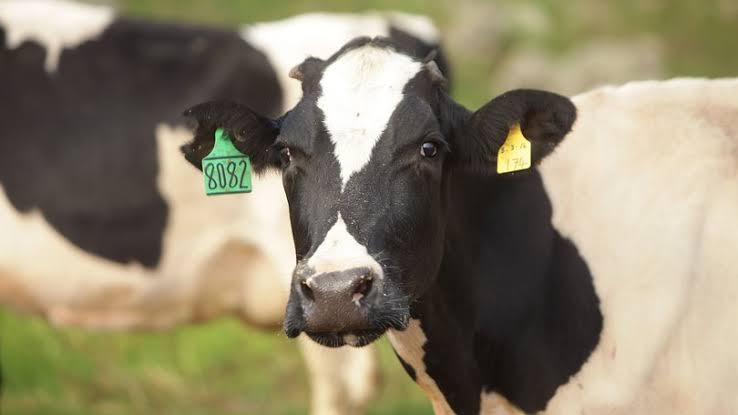
The assessment aligns with a comprehensive risk analysis conducted by the Department of Agriculture, Fisheries and Forestry (DAFF) alongside Dairy Australia. The study evaluated Australia’s unique geography, farming practices, and existing biosecurity protocols, concluding that the probability of the virus transferring from wild bird populations into commercial dairy herds is low. Furthermore, authorities noted that the specific H5 genotype (2.3.4.4b) associated with widespread dairy cattle outbreaks in the United States has not established transmission within Australian herds.
Although the United States remains the only country to report widespread H5 bird flu infections in dairy cattle, the global situation has prompted Australian agricultural bodies to step up preparedness. An industry monitoring team—comprising Dairy Australia, Australian Dairy Farmers (ADF), and the Australian Dairy Products Federation (ADPF)—is working alongside federal and state authorities to maintain active surveillance, share data, and support farmgate preparedness.
While retail milk supplies and overall farm production remain unaffected, Dairy Australia urges producers to review and enforce strict biosecurity measures. Farmers are advised to maintain clean water supplies, restrict wildlife access to feeding areas, and closely monitor herd health. Common symptoms reported in overseas cattle include sudden drops in milk output, loss of appetite, lethargy, fever, and thickened milk consistency.