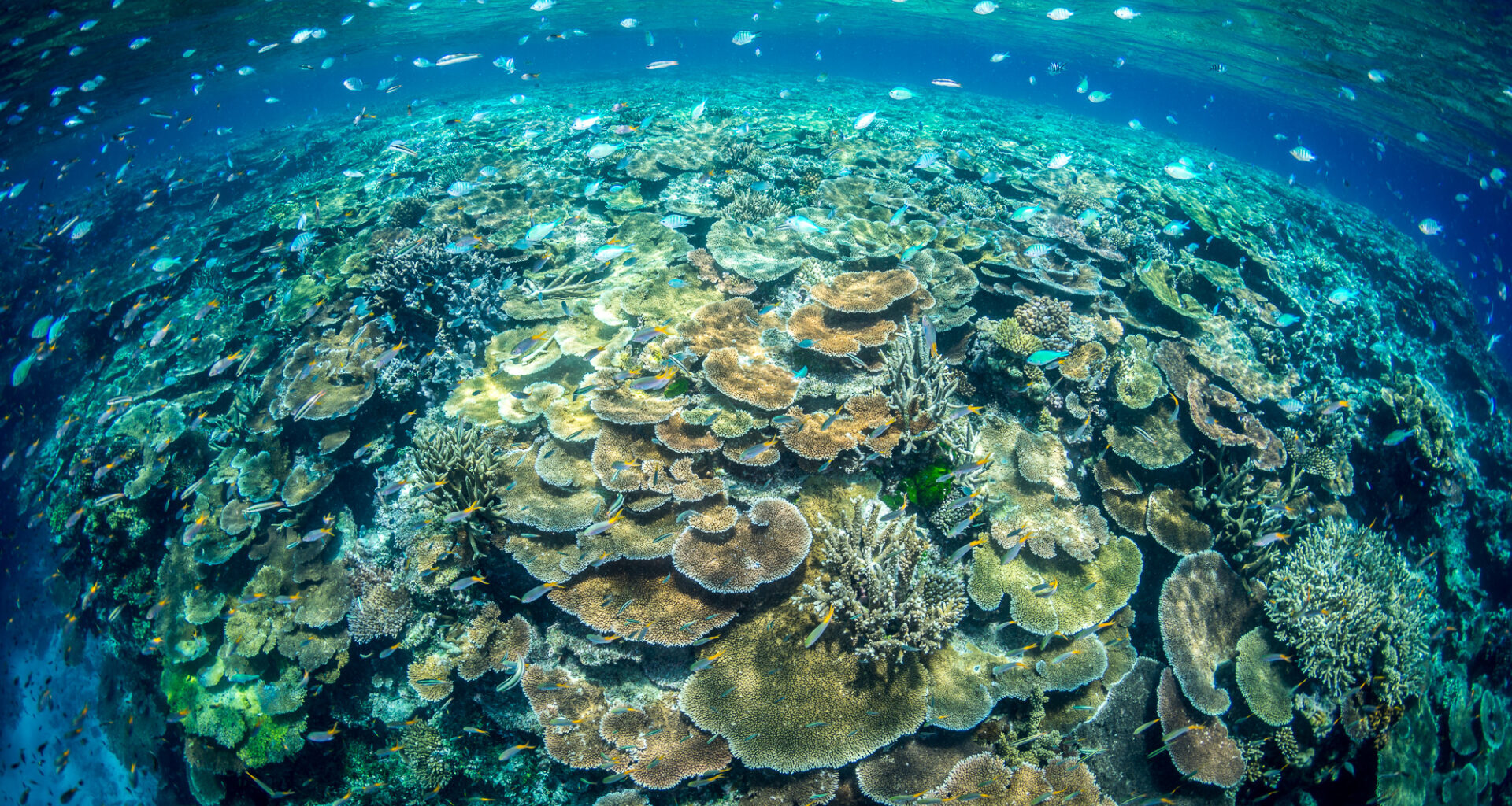
Scientists have mapped the Great Barrier Reef’s “invisible” microbiome for the first time, discovering more than 500 new bacterial species and hundreds of thousands of distinct viruses.
The breakthrough, published in the journal Nature, provides researchers with a vital blueprint to measure how climate change, pollution, and coral bleaching impact the health of the world’s largest reef system.
By analysing DNA from seawater samples collected across 48 different reefs, an Australian research team documented more than 800,000 microbial genomes. The massive undertaking has led to the creation of the Great Barrier Reef Microbial Genomes Database, which is now open to scientists worldwide.
“Now, we can start to explore what makes a healthy reef microbiome and how these invisible communities respond to changes,” said Professor Philip Hugenholtz, a microbiologist at the University of Queensland and senior author of the study.
Historically, mapping these complex underwater environments was nearly impossible. Ocean currents constantly mix closely related microbes together, and many reef-dwelling organisms possess a unique DNA structure that standard technology struggles to decode.
To overcome this, the team utilised advanced “long-read” DNA sequencing technologies.
Dr Steven Robbins, the study’s first author, compared the new technology to solving a jigsaw puzzle. “What was a puzzle with tens of thousands of pieces becomes a simple puzzle with far fewer pieces,” he said.