
Reports of retail theft have hit a ten year high in Greater Sydney. Picture: John Appleyard
Reports of retail theft in Sydney have hit a 10-year high as cash-strapped residents increasingly turn to desperate measures amid the cost of living crisis.
Reports of retail theft in Sydney have hit a 10-year high as cash-strapped residents increasingly turn to desperate measures amid the cost of living crisis.
Analysis of NSW Bureau of Crime Statistics & Research (BOCSAR) showed reported retail theft has climbed 9.1 per cent over just the last two years.
Alcohol is the most commonly stolen item with a 13 per cent increase in reports since March last year, according to the analysis of bureau figures.
MORE: Huge price drop for former power couple’s mansion
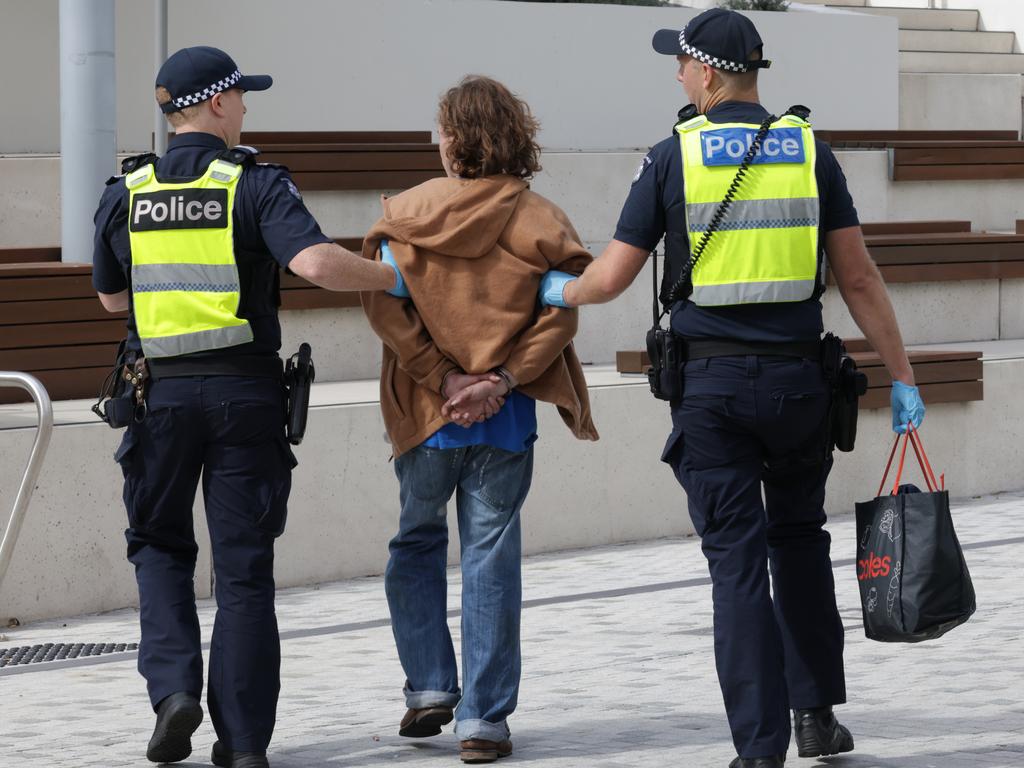
Retail theft hit a 10-year high. Picture: NewsWire/ David Crosling
Macquarie University’s Dr Vince Hurley spent 29 years as a NSW police officer said rises in retail theft charges had occurred amid a change in many store policies.
“While there has been an increase, what we will find is that you will rarely see anyone physically arrested,” Dr Hurley said.
“The reason you don’t see it now is because the shopping centre staff are told not to intervene,” Dr Hurley said.
The rate of retail theft per 100,000 residents climbed from 293.4 in 2016 to reach a 10-year high of 372.5 thefts in the 12 months before March 2026.
Theft hotspots show up in the local government areas of Sydney City (1,204 per 100,000 residents), Burwood (842), Waverley (712), Willoughby (674) and Penrith (576).
MORE: Aus dad’s trade-off gets him $10m in property
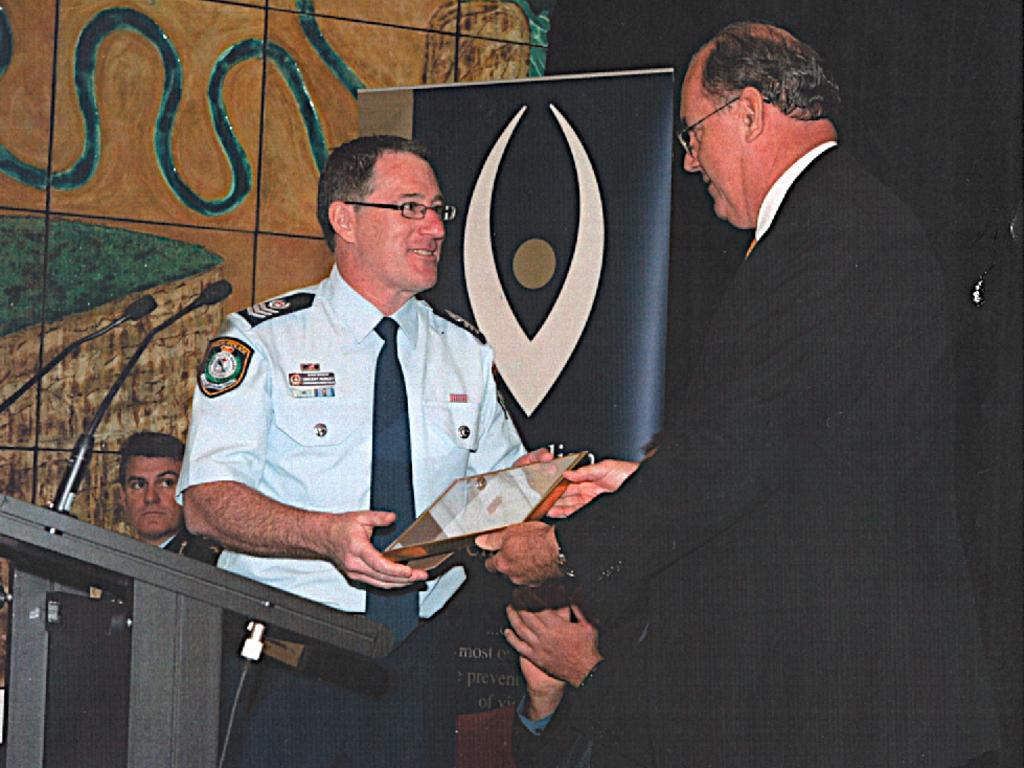
Dr Vincent Hurley received the Australian Institute of Criminology Award for Crime Prevention in 2008. (L-R: Vince Hurley, Senator Chris Evans). Picture: Supplied
Dr Hurley said socioeconomics and the concentration of major shopping complexes are key drivers behind the trends in the BOCSAR data.
“If you look at the city of Sydney, that is a very transient population … a lot of tourists, a lot of students and a high density of population,” Dr Hurley said.
“That means there’s going to be more thefts just on the basis of foot traffic.
“Whereas Penrith, it’s still very high but it’s a more stable population.
“If you’re comparing it to the lower (theft) areas like Hunters Hill, Wollondilly, Ku-ring-gai, Lane Cove or Mossman, they don’t have large shopping centres, they have really boutique, individual shops.
“Most (residents) could afford to pay anyway because they’re some really affluent suburbs,” he said.
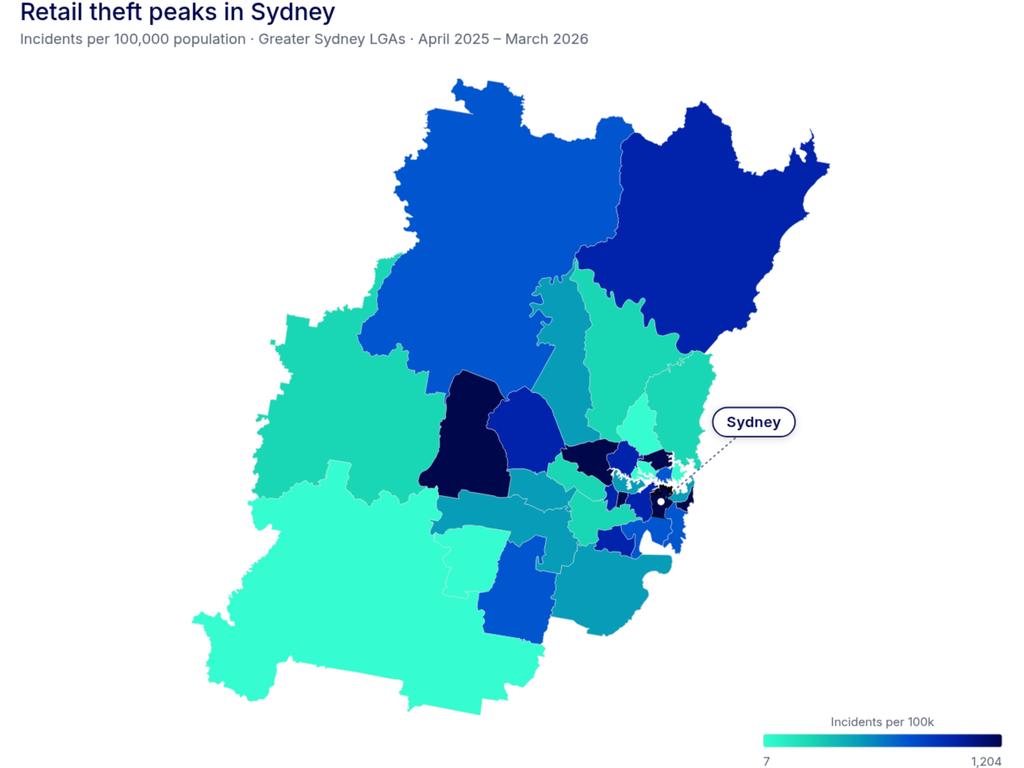
Shoplifting hotspots are common in low socio-economic areas with large shopping centres. Source: BOCSAR/Primara Research/HomeLoanRates.com.au
MORE: Shock $2.1k missing from millions of savings accounts
Penrith was the third fastest riser and saw a 48 per cent jump since last year.
Canada Bay and North Sydney were the top two fastest growing crime hotspots with an 87 and 65 per cent increase respectively.
Dr Hurley said CCTV has reduced public arrests but that corporations discourage police from attending incidents because it “would destroy the customer experience”.
“Someone will video (an arrest), upload it onto the internet, and it sends a negative message across social media about Coles or Woollies, and they don’t want that negative publicity,” Dr Hurley said.
“But at the same time, there’s been this increase in the use of CCTV to go back to arrest these individuals after the fact”, he said.
MORE: ‘Nightmare’: Parents sue child over $4m unit

Vanessa Rader is the head of research at Ray White Group and said small business are more effected by retail crime.
Ray White head of research Vanessa Rader said property owners will likely only be affected by retail crime if a particular area becomes unviable for commercial tenants.
“Otherwise it’s the poor tenant that’s bearing the brunt of all of that,” Ms Rader said.
“(Small businesses) probably don’t have quite as strict or stringent security measures … compared to like … those bigger stores or centres that have that kind of greater security.
“They’re the ones that will be doing it tough,” she said.
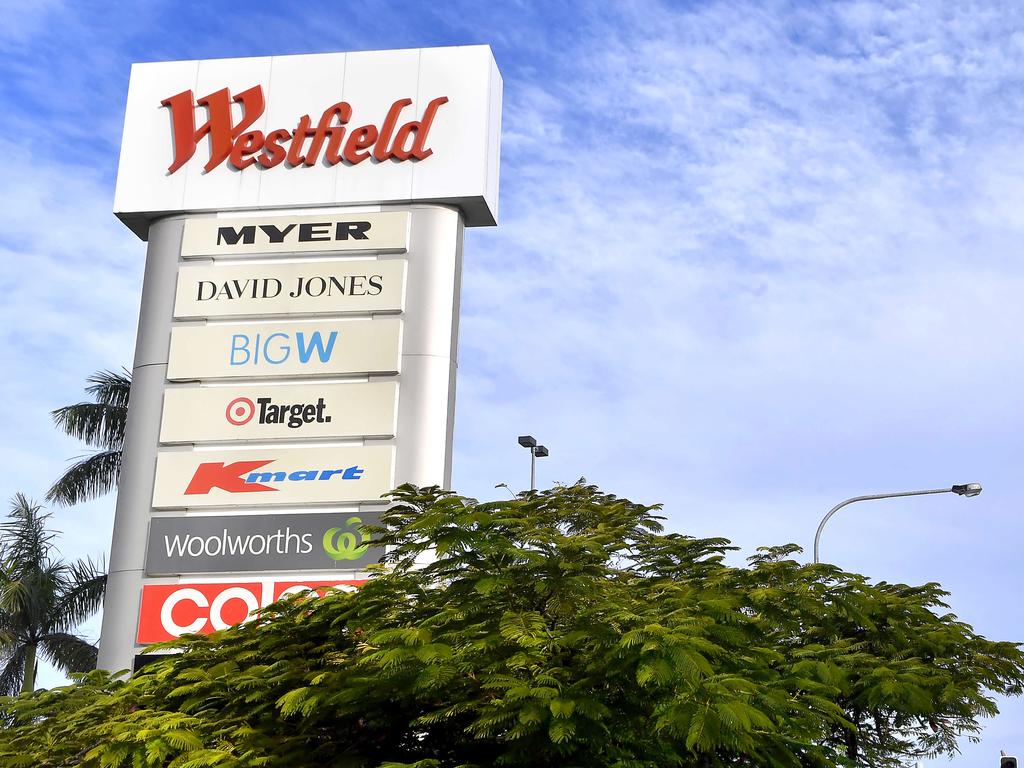
Large shopping centres draw higher rates of retail theft because of increased foot traffic. Picture: John Gass
MORE: Highest paying ‘side hustle’ in Aus revealed
Retail theft has become a “stock loss calculation” for retailers according to Peter Drennan who is the head of research at Primara Research and led the BOCSAR analysis for HomeLoanRates.com.au.
“A suburb’s retail strip is part of what makes it liveable, but that strip also depends on retailers deciding it’s viable to be there,” Mr Drennan said.
“The years we’ve recorded the sharpest rises (in theft) align closely with a period where mortgage holders have absorbed multiple rate increases and rising costs elsewhere.
“This data doesn’t prove causation, but the timing lines up too closely to ignore.”

Dr Hurley, pictured during an appearance on the ABC’s Q&A, specialises in the contemporary role of police and policing in society.
Dr Hurley explained that there’s also a psychological difference for people stealing from large corporations versus ‘mum and pop’ style businesses.
“When they steal from a Westfield, Coles or Woollies, it doesn’t attach the product to an individual, it attaches the product to this corporation who is almost invisible and are making increased profits when people are doing it really tough,” Dr Hurley said.
“Generally speaking, people have more empathy for small businesses,” he said.
MORE: ‘Drop’: New credit collapse unleashes in Australia
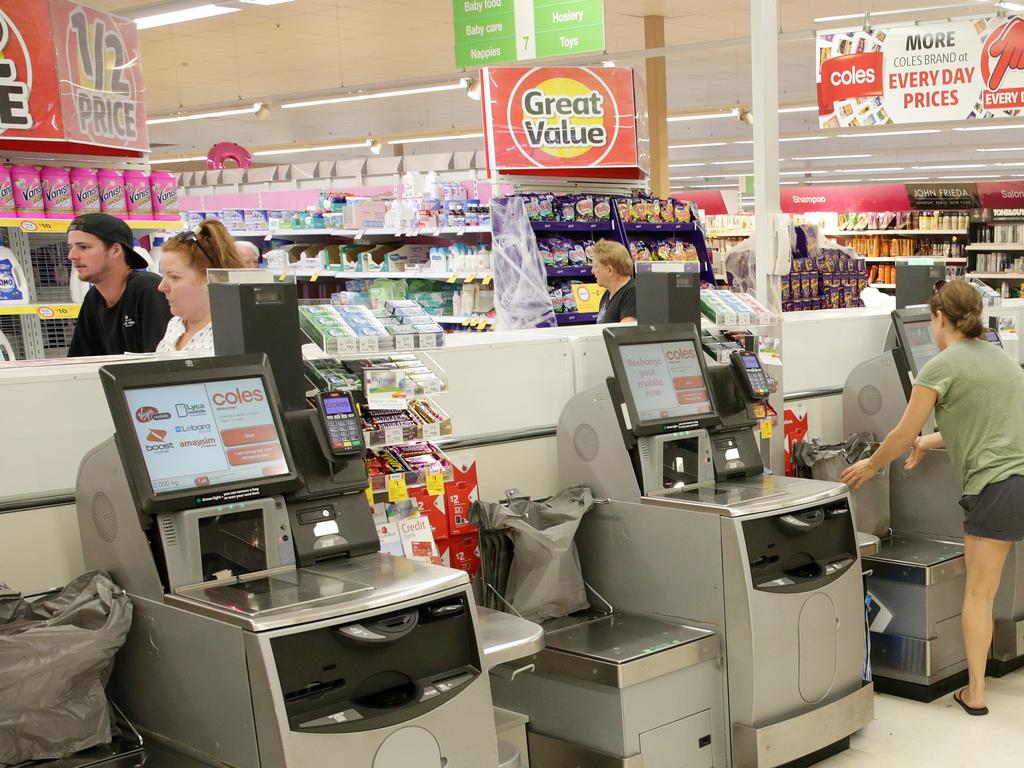
Young staff at major retailers are easy targets for brazen thieves. Picture: Mark Scott
Dr Hurley said thieves are more brazen but that many staff are “easy targets” with limited legal power to stop anyone.
“They’re easily intimidated and they don’t have that life experience that a 30-year-old man would have,” he said.
If he could ‘snap his fingers’, Dr Hurley would use three key strategies to drive down retail theft.
“I’d have police actually attending and arresting individuals because it will send a visual message,” he said.
“I would have older people, even 25 to 30-year-olds … on check outs, and I would have more people roaming the aisles of stores,” he said.