
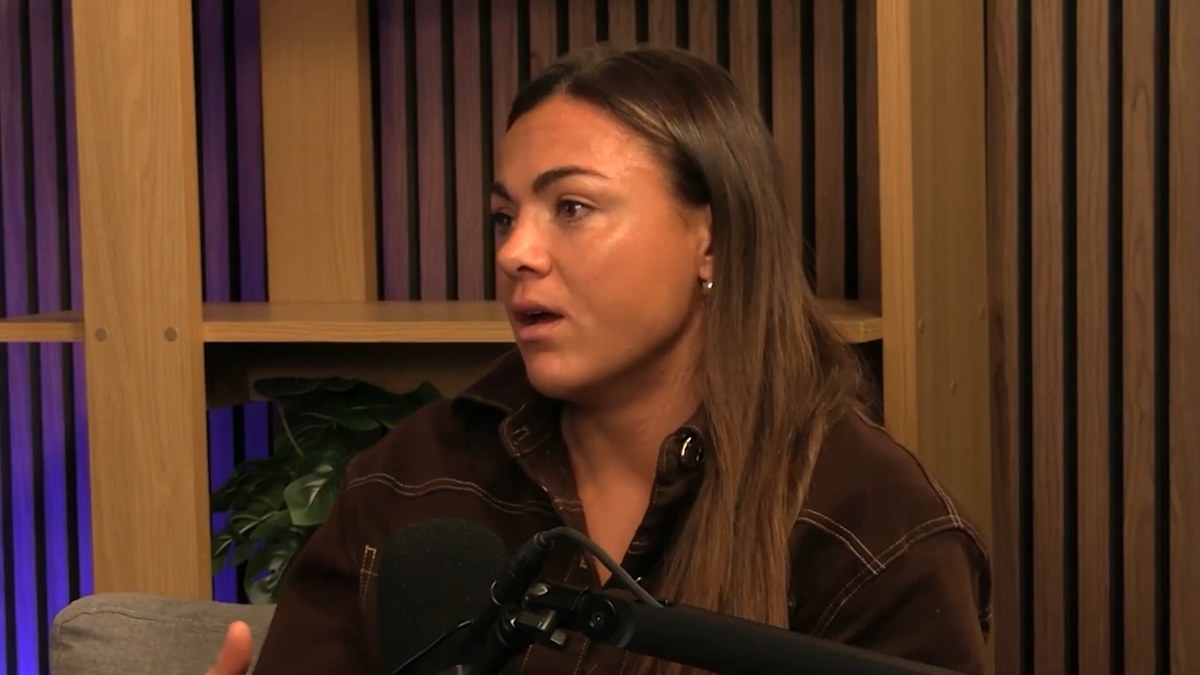
Millie Elliott has called out the double standards in people calling for a tiered roster system in the NRLW.
The balance of the women’s game is often questioned by pundits and fans, with suggestions the NRLW has become a two-horse race between the Roosters and the Broncos.
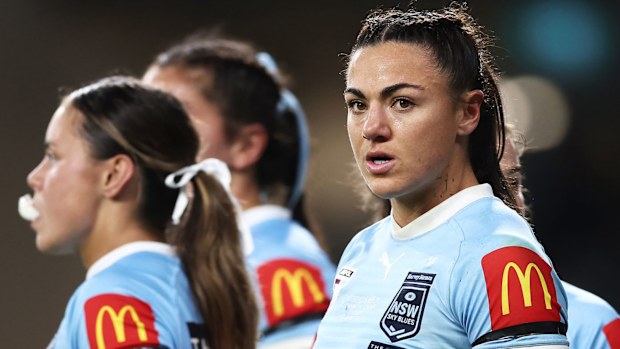
Millie Elliott pictured representing the NSW Blues. nna\cdesilva
The Broncos have won four of the eight NRLW premierships to date, including last year’s, while the Roosters and Newcastle have won two apiece.
But the Knights have lost a glut of stars to Brisbane and Sydney since winning the 2024 title, leading to concerns the competition has become uneven.
The fear of blowout games involving the Broncos and Roosters this season has not happened to the extent many expected.
The Broncos have won two of their four games by more than 20 points this season, while the Roosters have only recorded one win by more than 20 points. Meanwhile, all three of the Titans’ victories have been by more than 20 points.
The concept of introducing a tiered roster system, which would put a cap on the number of representative players in one team, has received support from the likes of Sharks captain Tiana Penitani-Gray and teammate Quincy Dodd.
Roosters duo Olivia Kernick and Keeley Nizza have publicly disagreed with the idea, though, insisting that their club should not be punished by a tier system for producing elite talent through their pathways system.
Elliott, a co-host on a podcast with the Rosters duo, agreed with her teammates and urged critics to look for a greater incentive to get the best representative talent to want to move to a rival team.
“If you want the girls to move and you want the game’s talent to be spread out more, then you’ve got to make it enticing,” she said on the Say Less with Mille, Keeley and Kernick podcast.
“The salary cap does not offer life-changing money to go and set up your life at another club. I’m in no way saying we need more money – not saying that at all. I’m saying if you want girls to move, give them an offer to make it worth their while.
“Us playing our best footy, enjoying it and giving the best product is going to grow the game. If I had to go to a club that I didn’t want to be at, I probably wouldn’t be playing footy because I have a baby (to think about).
“Do we want to keep people in the game and enjoy it? Or do we want to spread them around and make it a chore?”
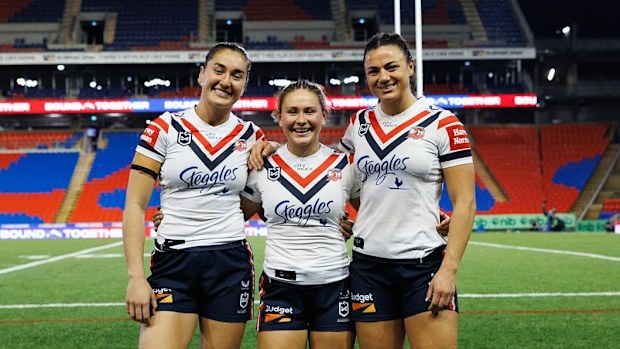
(L-R) Olivia Kernick, Keeley Nizza and Millie Elliott Instagram/@oliviakernick
Elliott then pointed to the dominance of the Penrith Panthers in the men’s game, making five consecutive grand finals and coming out victorious in four of those.
She noted no commentary was made about moving those premiership players to a rival team “just for the growth and good of the game”. Rather, Penrith lost players from those teams due to offers “worth their while” from rival teams.
The same can be said about the tax-free incentive in the NRL for players to move to PNG and join the Chiefs when they enter the competition in 2028.
Nizza suggested that while a tiered system may not be the best way to fix the disparity across the NRLW, an uncapped marquee contract system could help.
The marquee contract system was in place when the competition began, allowing clubs to sign star players outside standard salary cap limit, but it has since ended.
Nizza admitted that it “really did work” when it was first introduced, but she would now like to see investment from teams into the coaching staff to develop talent.
The Roosters, for example, have access to a coach who is on a full-time contract as well as a team physio and head of performance. Not all clubs have that.
“When I was at the Dragons, Jaime Soward was across the women’s and men’s program (on a full-time contract),” Nizza recalled.
“We struggled to find time to do video because he was with the men’s team a lot. That’s where the game was at back then.”