



Photo by Katia Tempkin, Courtesy of @arianagrande
Photo by Katia Tempkin, Courtesy of @arianagrande
July 31, 2026
Ariana Grande is probably the gentlest celebrity I have ever seen. We have always associated her with pink, a high ponytail, flawless vocals and the impossibly soft way she speaks, while easily forgetting how many difficult things she has endured in the public eye. Her appearance and private life have been debated for years, and still are! She lost Mac Miller, while the tragedy following her concert in Manchester became a permanent part of her story. She lived through all of this while being expected to remain entertaining and smiling, grateful and always pleasant. A video recently appeared on my social media feed in which she explains how furious she was that her unreleased songs had leaked online. Even then, she chose her words carefully and appeared calm and composed. That is characteristic of Ariana Grande. Her anger never sounds the way we might expect. It does not come through shouting or grand gestures, but through a voice that remains gentle while saying something incredibly sharp. On her latest album, Petal, she allows that rage to take up the entire space for the first time.
Related: Everything we know about Ariana Grande’s eighth studio album
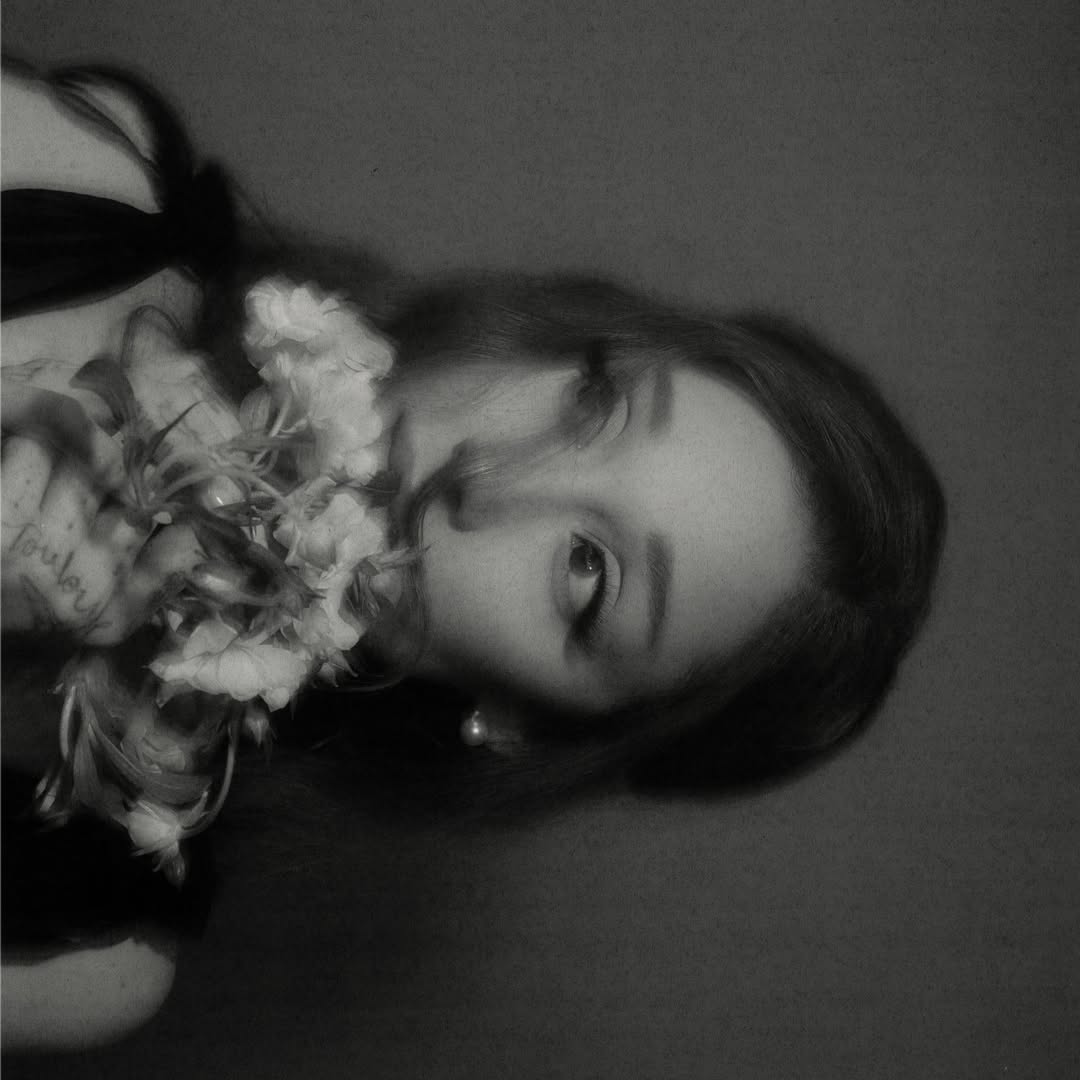
Photo by Katia Tempkin, Courtesy of @arianagrande
When she said that she had written the album from a place of “unfiltered rage”, I expected a much louder project. Ariana Grande has a voice capable of overpowering any melody, so it was easy to imagine an album filled with huge choruses and vocal showdowns. Petal is a very different album, driven by an anger I could only describe as quiet and precise. She sings the sharpest lyrics in a voice that remains light, occasionally even soothing, so their meaning does not register until a few seconds later. In pop music, rage is often presented as a moment of complete release, accompanied by loud production and a clear target. Ariana experiences it as a state that has been building for a long time. I hear it in the coldness of her voice, in the sentences she no longer tries to soften and in the sense that she is addressing people to whom she has been explaining herself for far longer than she wanted to.
Petal is a direct continuation of her previous album, Eternal Sunshine. Both albums were created with Ilya Salmanzadeh, while Max Martin worked on several songs, and they are also connected by layered vocals that sound as though Ariana is having an entire conversation with herself. Eternal Sunshine followed the breakdown of a relationship and the attempt to believe in love again after it ended. Petal examines what happened when those experiences reached the public. The album is her response to a life in which other people are constantly trying to decipher her every word.
Related: From heartbreak to the dance floor, these albums define the summer
The title track, Petal, most clearly introduces the theme of the relationship between artist and audience. Ariana sings about how the most difficult parts of someone’s life are turned into music, then performed in front of people who reward them with applause. There is something uncomfortable about that exchange. The audience wants honesty, then turns someone else’s pain into entertainment. The artist receives success and recognition, while the experience that created them remains in her body long after the concert is over. One line that particularly stayed with me is the one in which she refuses to present herself as a victim because she is “practically surrounded by blessings”. Ariana is simply asking for the space to be both grateful and angry, while the public, unfortunately, rarely allows famous women that complexity. We expect them to speak openly and honestly enough about pressure, but never ungratefully. Petal refuses to abide by that social convention.
Related: Ariana Grande’s new song reflects on fame and desire
On my first listen, I missed the big vocal moments I automatically expect from her. Ariana is one of the few contemporary pop stars whose voice can completely transform the experience of an average song. Here, she deliberately remains restrained. After several listens, that decision began to make more sense to me. The album is not conceived as a demonstration of the power we already know she possesses. It is more interested in what happens when someone with a voice like hers decides to speak in a whisper and still manages to be convincing. On Oh Well, Ariana wishes someone good luck on their way to hell in the same voice she might use to sing a love song. There is no major confrontation or attempt to convince the other person that they hurt her.
For fans of her earlier projects, such as Dangerous Woman and Positions, the track Like I Do brings back the self-assured Ariana. Here, she uses her sensuality as a form of power and a way to remind someone of what they are losing. Like most songs on this album, it can be read both as an address to a partner and to the public that feeds on every new piece of information about her life. Grande knows perfectly well that people will keep coming back to her, even when they claim they cannot stand her.
The album comes most alive when it moves away from familiar territory. Bad Thing (Bunny Hop) leans on distorted guitars and introduces a freer energy. Ariana does not try to overpower them, instead singing lightly over them, making the song sound like the beginning of a direction that would suit her very well. Her career has long been associated with impeccably produced R&B pop, so a little disorder in that sound feels refreshing.
I have to admit that the album is also missing a moment of complete release. The rage builds from the beginning, the production grows increasingly dark, and Ariana remains disciplined until the very end. I wanted one song in which she would allow her voice to fall apart alongside everything she was saying. Her restraint is part of the concept, but it occasionally leaves the impression that the album is afraid of its own climax. The closing song, and a current fan favourite, Nowhere, Nobody, restores some warmth to the album. After an entire series of songs filled with questions about who has a right to her life, Ariana ends with the idea that she wants to stay somewhere, with someone. The song offers no definitive answer about the future. She chooses the present moment, without promising that it will last forever.
This is not her album with the greatest number of obvious hits. It lacks the ease of Thank U, Next, while its emotional story is not as neatly resolved as that of Eternal Sunshine. Petal is a more restless and colder release, with ideas that occasionally collide without any tidy resolution. That is precisely what makes it fitting for the period from which it emerged. Ariana is no longer trying to turn her experience into a story that everyone will understand in the same way. For a long time, we viewed her as the embodiment of gentleness. With this release, she reminds us that a gentle person can still be very angry. With Ariana Grande, that anger will never sound like a scream. It will sound like a perfectly sung sentence she can no longer take back.