
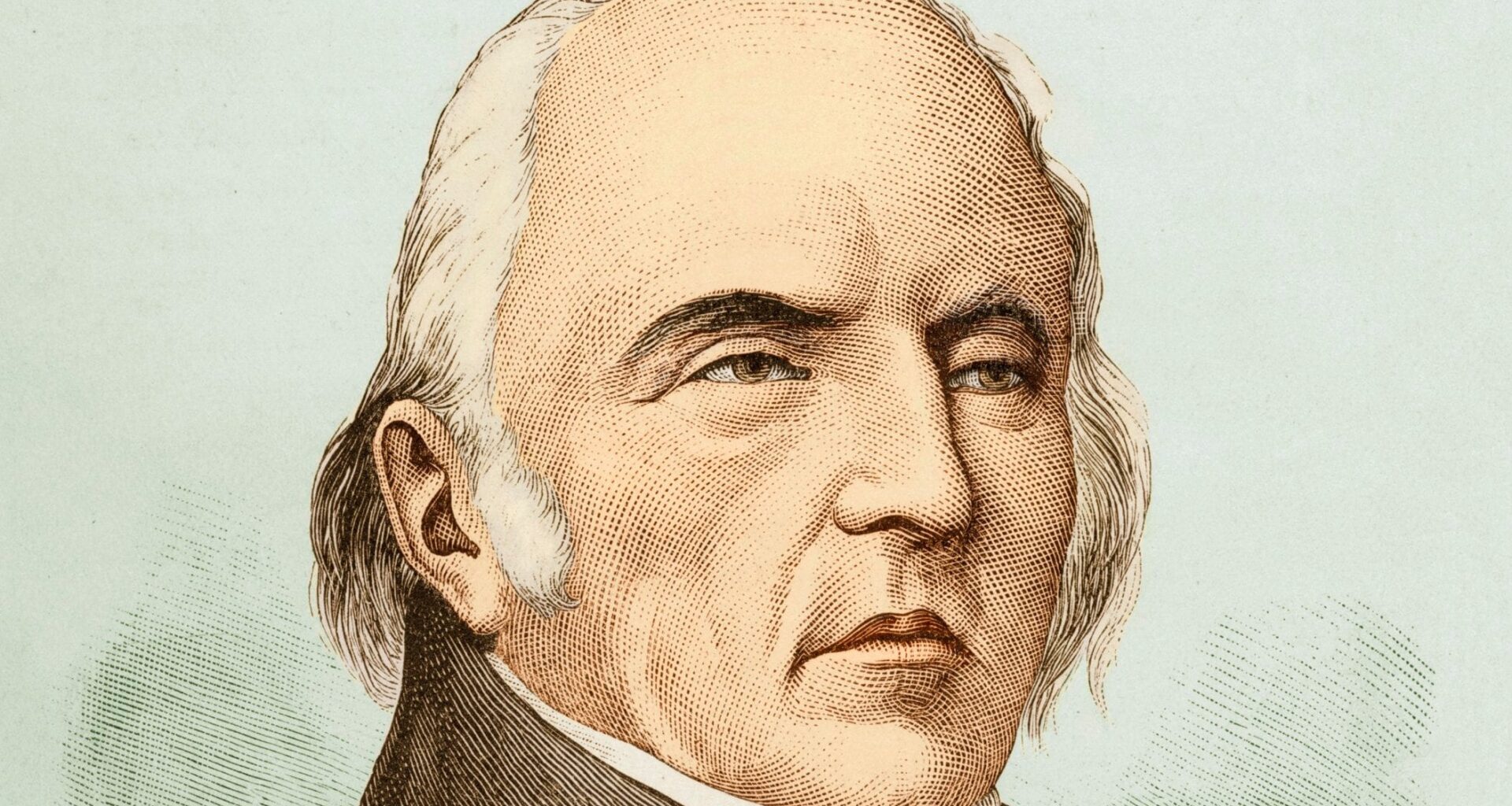
For centuries, Charles Darwin’s rival has been mocked and dismissed for his alternative theory of evolution.
Jean-Baptiste Lamarck proposed his evolutionary theory half a century before Darwin published his, but was derided by adversaries, and was even insulted by Napoleon Bonaparte.
His belief that organisms can pass on physical changes acquired during their lifetime to their offspring has proved no more popular in the intervening centuries, and remains largely discredited in the scientific community.
But 200 years on, “Lamarckism” may finally have come into fashion thanks to a wave of scientific papers, essays and books arguing that the theory can occasionally explain cases of evolution in the natural world.
In an essay published this week, Prof Pim Edelaar, a professor of evolutionary biology and genetics at the University Pablo de Olavide in Spain, pointed to examples of the theory at work in worms and killer whales.
He wrote: “It is time to embrace Lamarckism again.”
School textbooks ‘out of date’
Prof Richard Buggs, a professor of evolutionary genomics at Queen Mary University of London, said there was a “growing acceptance” within the evolutionary biology community of evidence to support Lamarckism.
“I guess this may come as a surprise to many members of the public, as school biology textbooks often mention Lamarckism as a failed evolutionary theory,” he said.
“But there are many recent scientific papers showing this happening, and there have been major conferences that have discussed this… I think it would be fair to say that many school textbooks are out of date on this issue.”
Proposed at the beginning of the 19th century, Lamarck’s evolutionary theory was that the physical changes that an organism experienced during its lifetime could be passed on to its children.
He suggested that giraffes developed their long necks by stretching to reach the higher leaves in trees, which became a useful characteristic and was passed on to future generations.
Another example he gave was that a blacksmith strengthened the muscles in his arms through his work, and thus his sons would have similar muscular development when they matured.
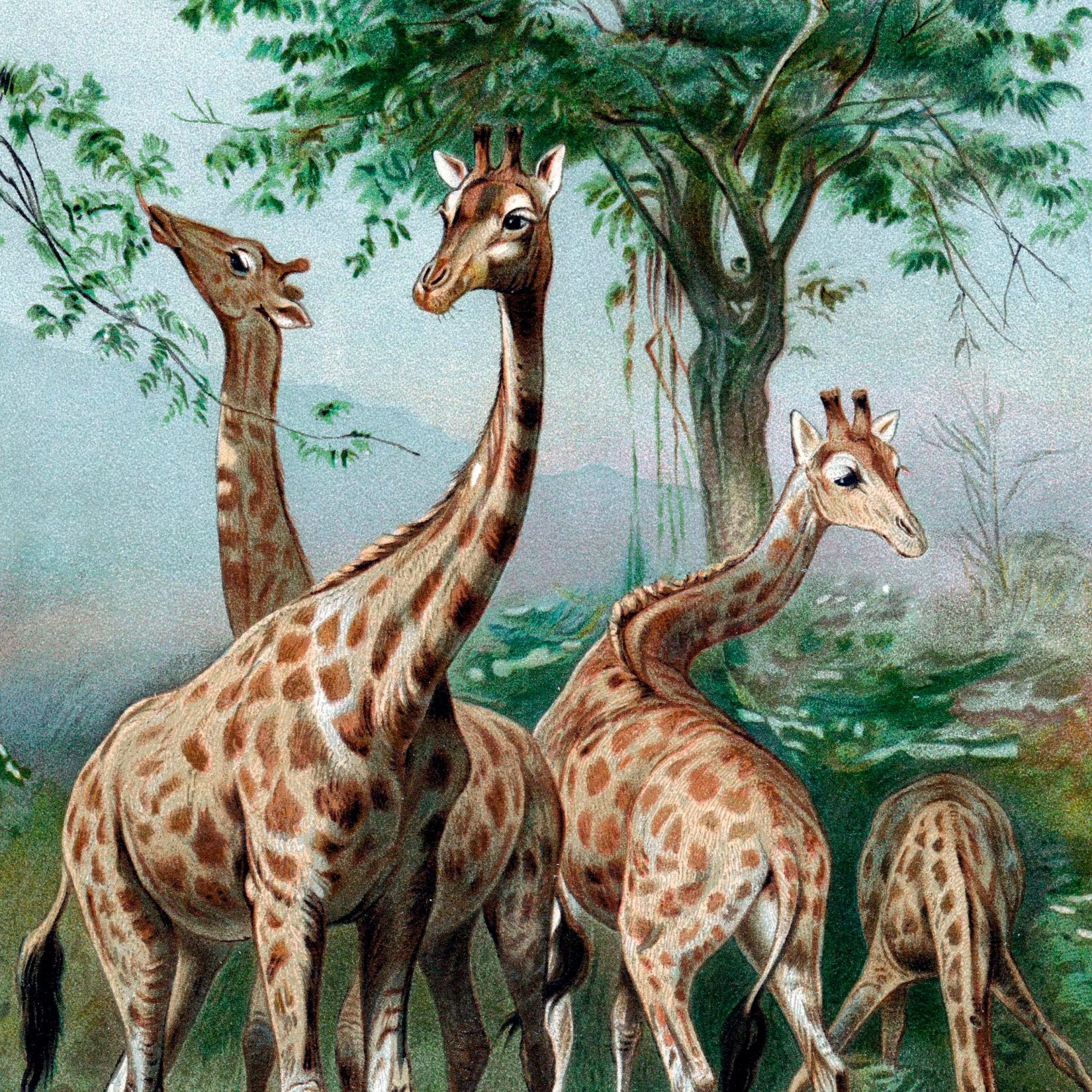
Lamarck suggested that giraffes developed their long necks by stretching to reach the higher leaves in trees – Print Collector
His idea was poorly received at the time. It was ridiculed by Georges Cuvier, the most powerful naturalist of the era, and Napoleon humiliated Lamarck during an audience.
Lamarck died a poor man in 1829 and was buried in a pauper’s grave.
In 1859, Darwin published his book On the Origin of Species, in which he set out his theory of evolution based on his years of research and global expedition on the ship HMS Beagle.
His theory was built around natural selection, the idea that some individuals within a species are born with differences that mean they perform better and therefore reproduce more than others.
While Darwin is now seen as the father of evolutionary theory, Lamarck’s theory has continued to be discredited through the centuries.
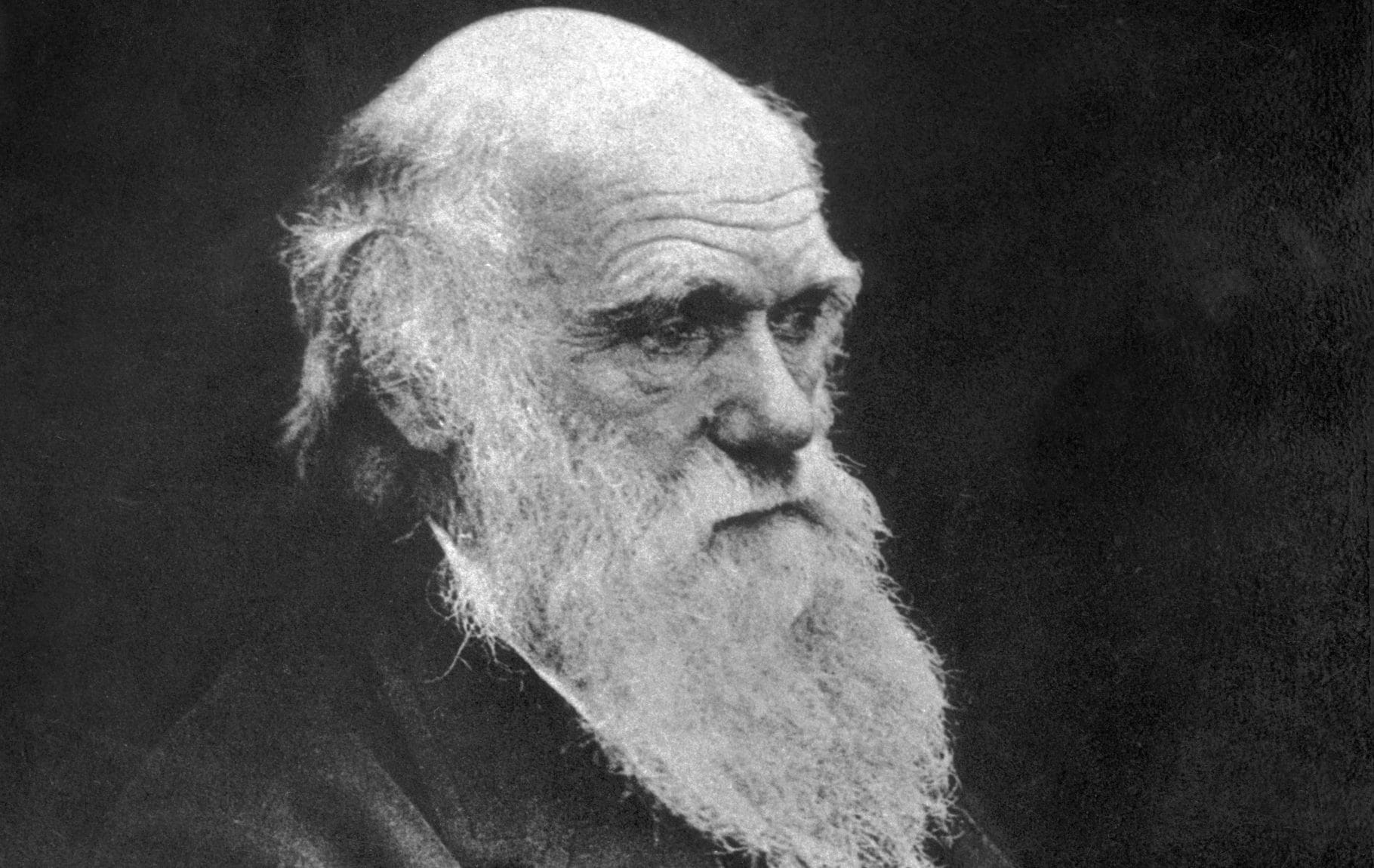
Darwin’s theory was built around natural selection – Spencer Arnold
Most notably, August Weismann, a German biologist, was thought to have disproved the theory in 1904 with an experiment in which he removed the tails of mice before allowing them to reproduce. He found that their offspring still grew tails of the same length as other mice.
Nowadays, Lamarckism is still largely viewed by scientists as an incorrect theory of evolution. GCSE biology students are told in a BBC Bitesize revision guide that “it is now commonly accepted that Lamarck’s ideas were wrong”.
However, Prof Edelaar, writing on the website The Conversation this week, argued that there are “dozens if not hundreds of studies” that appear to show Lamarckism in action in the natural world.
Theory seen in worms
He said that tiny, transparent worms, known as Caenorhabditis elegans, can adapt to overcome infections, starvation, or stressful temperatures by producing ribonucleic acids (RNAs) that “fine-tune the activity of their genes to mount an effective response”.
He claimed that adult worms pass along these small RNAs to their offspring – and even to further descendants – and that their offspring are thus able to cope better with those same stressors from birth.
Prof Edelaar also gave the example of female killer whales that acquire the skill to hunt a different type of prey, such as seals instead of salmon, and claimed that this skill is then copied by their offspring.
While Darwin’s theory “still accurately explains evolutionary processes a large proportion of the time”, Prof Edelaar said Lamarck’s theory could be seen as a “second driver of evolution” alongside it.
“So after more than 200 years it is time to embrace Lamarckism again, and include it into an updated and improved version of standard evolutionary theory,” he said.
‘Lamarck was right’
Other academics have put forward similar ideas in recent years.
Prof Jessica Riskin, a professor of history at Stanford University, has argued that Lamarck’s claim that animals play an active role in shaping the course of evolution was, in many ways, right.
Her book The Power of Life, which was published in March, said the biologist was unfairly discredited, and that a “reconsideration of his life and work is long overdue”. The book ends with three words: “Lamarck was right.”
In an interview earlier this year, Prof Riskin said: “I think that Lamarck was right that living organisms shape the course of evolutionary development by their behaviours and responses to the environment on various levels.
“They shape the course of evolutionary development. They are not solely the passive objects of outside forces.”