
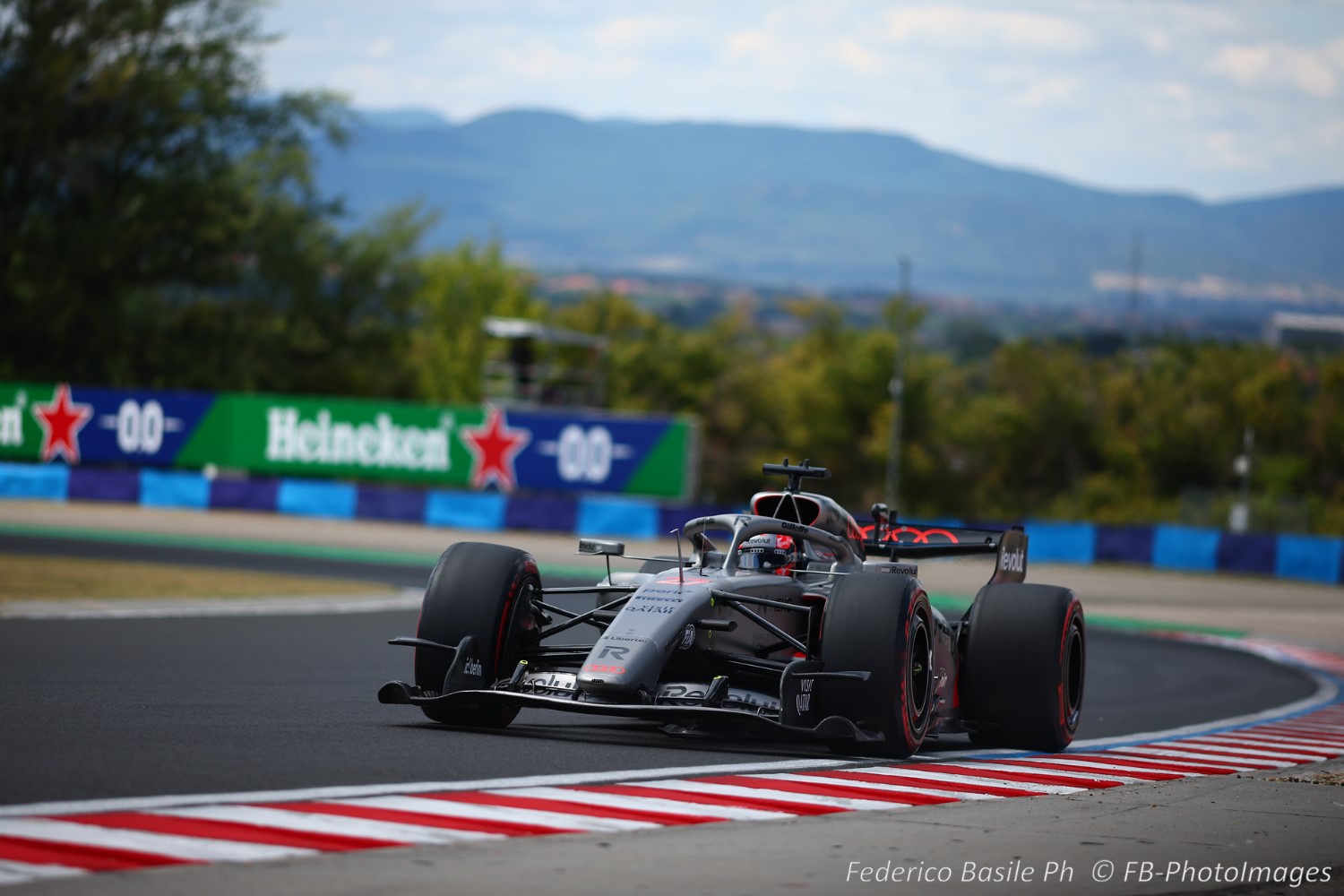
Audi has confirmed it will not bring another significant Formula 1 power-unit upgrade during the remainder of the 2026 season. The decision, outlined by Racing Director Allan McNish, is driven by the need to manage finite resources under the sport’s cost-cap regulations across multiple years rather than maximizing short-term gains in a single campaign.
–by Mark Cipolloni–
Under the 2026 regulations, power units are largely homologated after the start of the season. Manufacturers that fall a defined percentage behind the benchmark ICE Performance Index become eligible for Additional Development and Upgrade Opportunities (ADUO). This system grants extra homologation tokens and limited financial relief outside the normal power-unit cost cap. Audi qualified for the higher tier of ADUO (two extra upgrades in 2026 and two more in 2027) after being assessed as at least 4 % behind the leading engine.
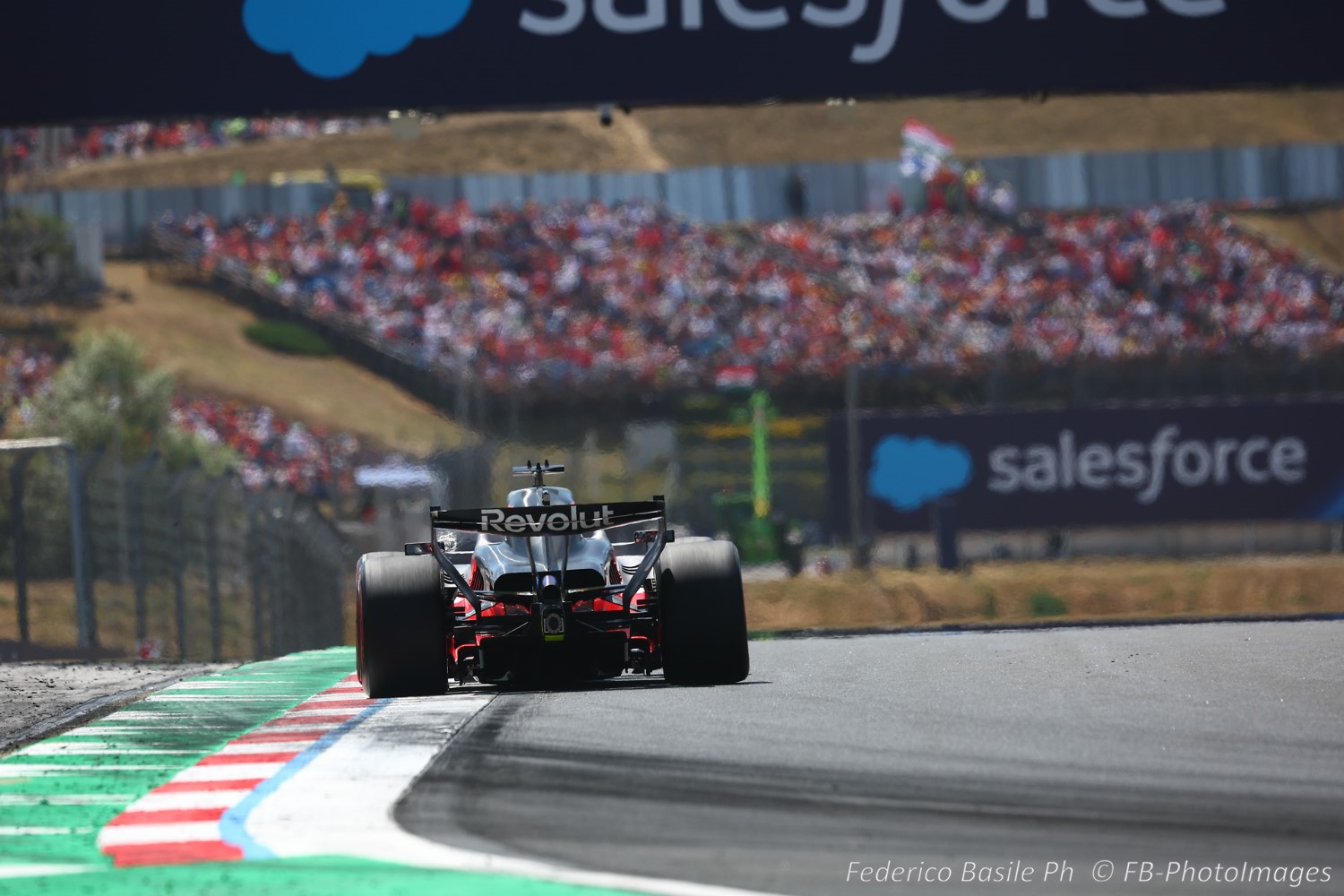 27 Nico Hulkenberg, (GER), Revolut Audi F1 Team R26, during the Hungarian GP, Hungaroring, Budapest, 23-26 July 2026, Formula 1 World championship 2026.
The team used one of those tokens for a modest drivability-focused adaptation introduced around the Spanish Grand Prix. McNish described that change as a small, targeted update rather than a major hardware revision. “So we will not see anything big on the power unit until then,” he said, referring to 2027.
The core constraint is the power-unit cost cap (approximately $190 million for established manufacturers in 2026) combined with the separate team cost cap that covers chassis and aerodynamic development. McNish explained the unavoidable trade-off:
“Everybody has got this trade-off between when you’re bringing upgrades – chassis and PU – and also where you spend your money… Because you can’t spend everything at one time, because then you don’t have anything to fight with later. So it’s got to be a managed expectation, and not just over one season, but multiple seasons as well.”
Major power-unit changes are hardware-intensive and require long lead times for design, manufacture, testing and homologation. Deploying a second substantial upgrade in 2026 would consume budget and engineering capacity that Audi prefers to preserve for a more comprehensive package in 2027, when the regulations again open wider development windows.
The approach reflects Audi’s status as a new manufacturer still building its long-term program. While ADUO provides the technical and financial room for additional updates, the team has chosen not to exercise the second 2026 token. The focus remains on reliability, incremental optimization of the existing specification, and preparing a larger step for the following season.
This measured strategy means Audi’s 2026 power unit will effectively remain frozen for the second half of the year, with any further meaningful evolution deferred until 2027.
Related Article: Formula 1 News: ‘Voo-Doo economics’ king Ferrari bringing even more upgrades to Silverstone