
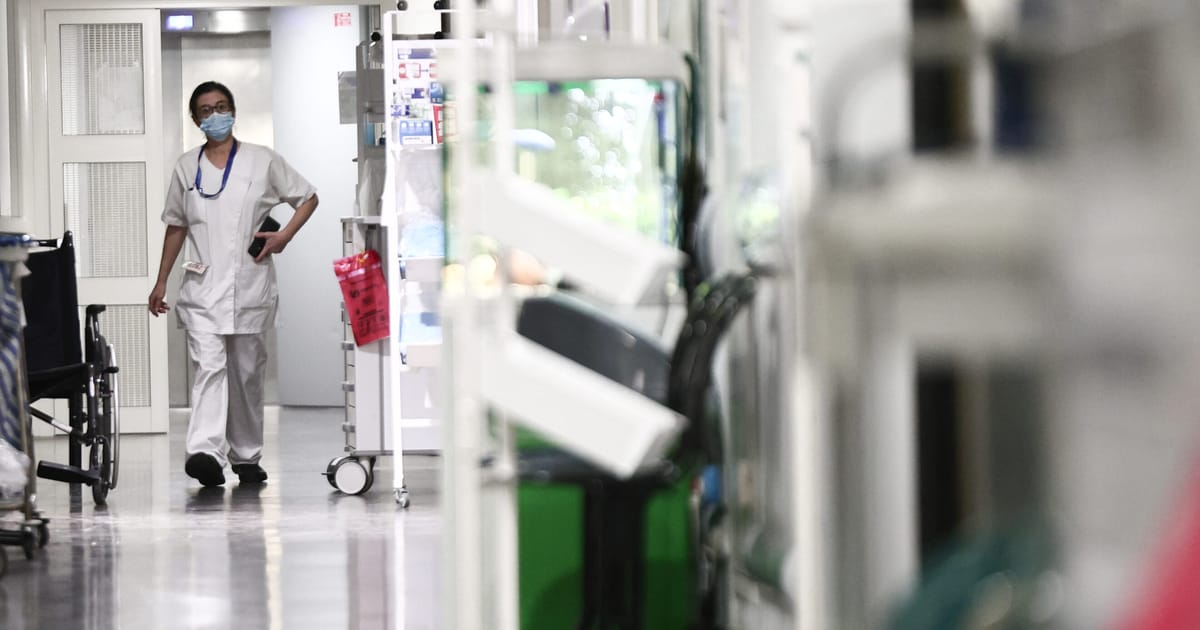
When countries voted on the Commission’s second proposal last week — which offered €1.3 million in NGO operating grants, having omitted them altogether from its original plan — at least 14 countries voted in favor of the plan, citing the urgent need for a budget.
“The Public Health Agency of Sweden voted yes and we seconded the criticism that came from the other countries on funding for civil society, but saw that further delays in the work programme were not preferable,” the spokesperson for the Swedish public health authority said in a written comment.
But countries standing firm with NGOs worry that ending support for their day-to-day functions will weaken democratic policymaking and leave lobbying as a preserve of private interests. Some NGOs have already shuttered operations in Brussels over the lack of funds.
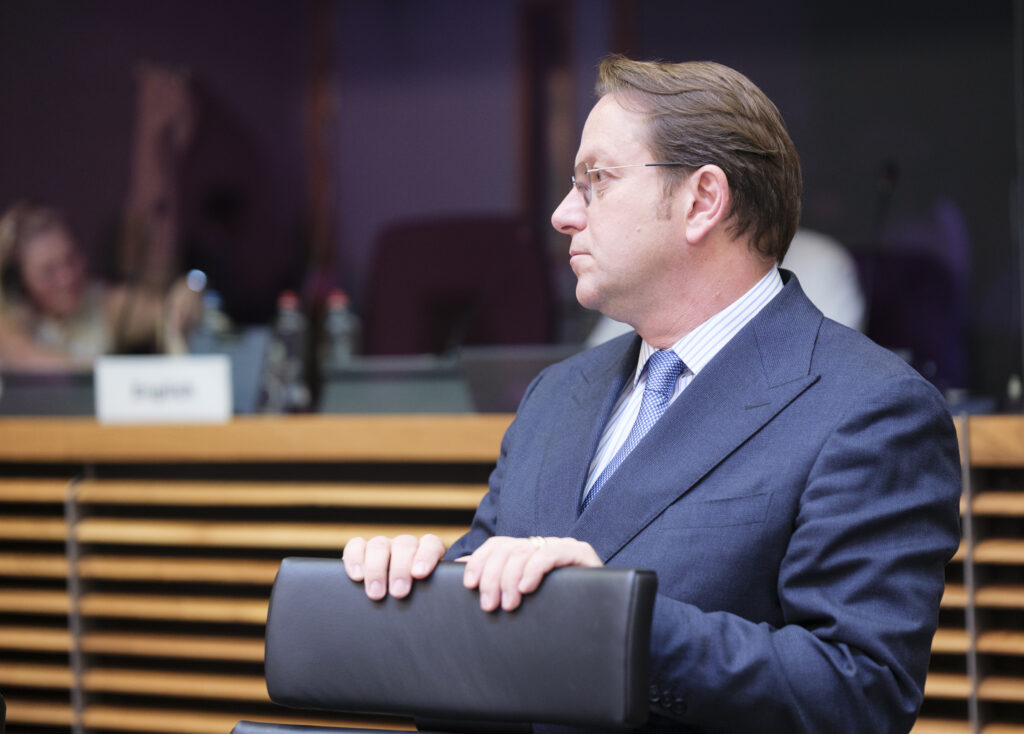 Health Commissioner Olivér Várhelyi previously claimed behind closed doors that NGO operating grants were “illegal.” | Thierry Monasse/Getty Images
Spain and France have been the most vocal in their criticism, forming a blocking minority on the EU4Health Programme Committee that signs off on the budget, alongside Czechia, the Netherlands, Lithuania and Malta. Others, including Ireland and Luxembourg, abstained to signal their displeasure with the removal of NGO funds.
NGOs play “a vital role in representing patients’ interests and ensuring a balanced policy debate alongside well-resourced industry stakeholders,” a spokesperson for Malta’s ministry of health told POLITICO.
A joint statement read out on behalf of Belgium, Czechia, France, Luxembourg, Spain and the Netherlands at the July 31 meeting, and seen by POLITICO, called for “more adequate level of funding for operating grants while safeguarding other low-budget but high-impact actions from further reductions.”