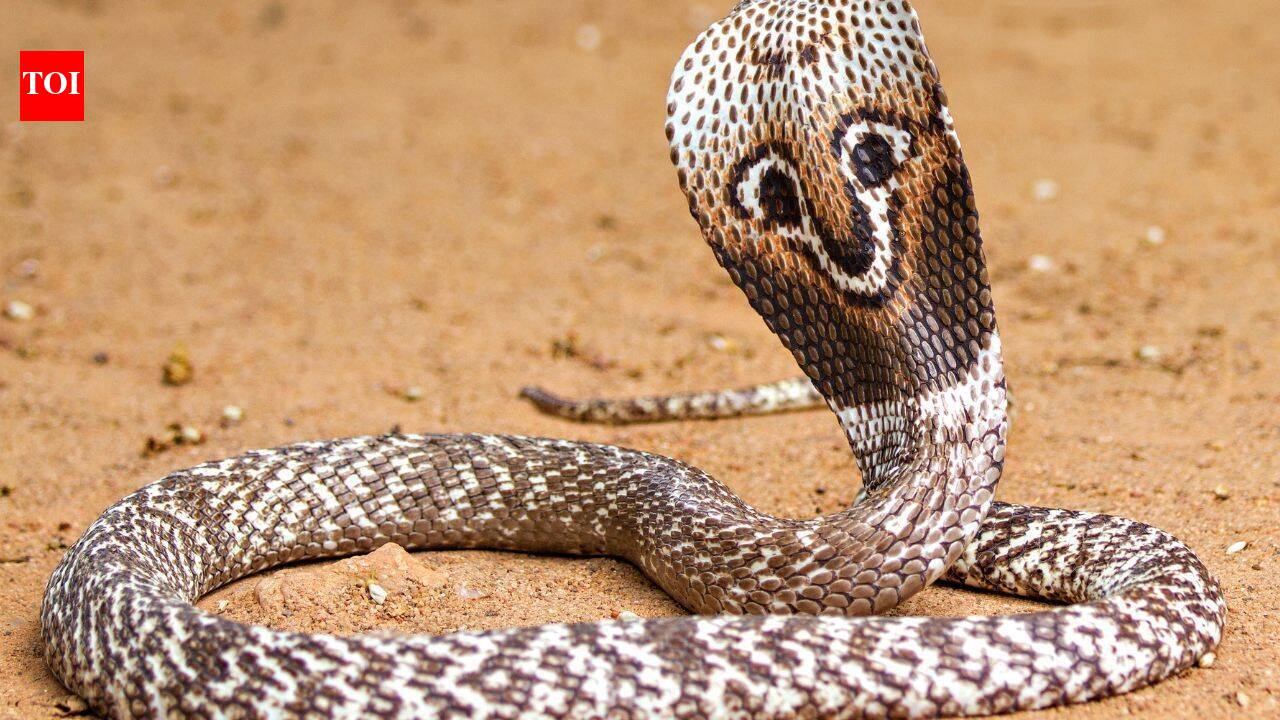
 In Australia’s dry climate, snake venom evolves to become deadlier for hunting prey. The Inland Taipan is renowned for having the most potent venom of any land snake globally. Meanwhile, Eastern Brown snakes are the leading cause of snakebite fatalities across Australia. Coastal Taipans sport the longest fangs combined with highly toxic venom, and Tiger snakes utilize both neurotoxins and myotoxins to effectively immobilize their prey. Australia is known for its unique wildlife and vast lands that are a home to some of the most dangerous yet venomous snakes on the planet. Here’s all you need to know about what makes these snakes so lethal. Read on to find out…What makes these snakes so dangerous?Unlike other regions, where lethal snakes thrive, Australia has predominantly arid, hot, and dry weather conditions, which means the food can be incredibly scarce. If a snake living in the harsh outback bites a mouse, and that mouse manages to run 50 yards away before dying, the snake will likely lose its meal to the heat, ants, or another predator. However, nature has heavily favored these snakes with hyper-potent, fast-acting neurotoxins that drop prey instantly on the spot. Over millions of years, an evolutionary arms race between snakes and their resilient native prey has pushed their venom potencies to extreme levels. Read on to know more about these rare snake species:Inland Taipan (Oxyuranus microlepidotus)Often known as the “Fierce Snake,” the Inland Taipan possesses the most toxic venom of any land snake on Earth. In fact, even a single bite of this snake contains enough neurotoxic and hemotoxic venom to kill an estimated 100 adult men. Despite its terrifying reputation, it is incredibly shy and lives deep within the remote, arid clay cracks of central Australia, meaning human encounters are exceptionally rare.
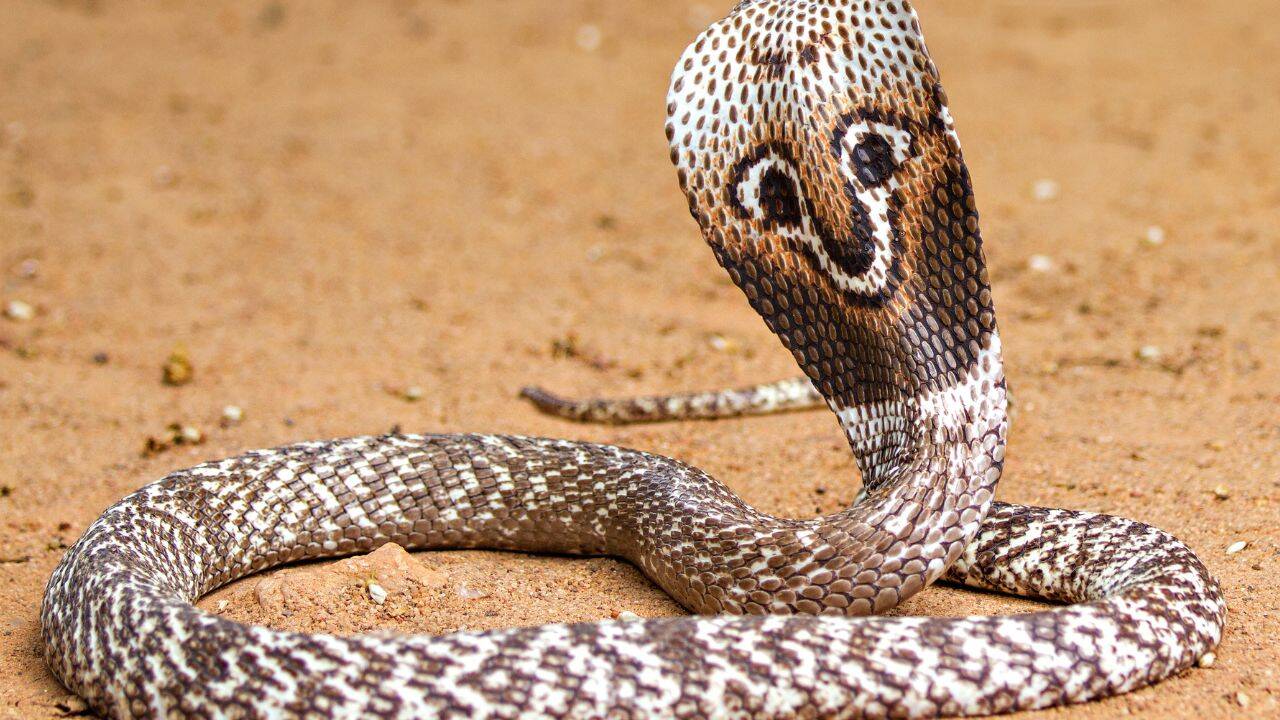 Eastern Brown Snake (Pseudonaja textilis)Biologically known as Pseudonaja textilis, the Eastern Brown snake holds the title for the second-most toxic venom of any land snake. Unlike the reclusive Inland Taipan, this species thrives in agricultural areas and suburban fringes across eastern Australia. They are fast, easily agitated, and responsible for the majority of snakebite fatalities in the country. So, if you plan to travel, be aware of this one!Coastal Taipan (Oxyuranus scutellatus)Naturally equipped with the longest fangs of any Australian snake (up to 13mm), the Coastal Taipan is a massive, highly nervous predator found in northern and eastern coastal regions. Western Brown Snake / Gwardar (Pseudonaja mengdeni)Found all across Australia’s dry inland regions, the Gwardar gets its Indigenous name from a simple rule of thumb: “go the long way around.” It changes color and pattern so much that no two seem to look alike, but they’re all uniformly fast.While its venom isn’t quite as potent drop-for-drop as the Eastern Brown, it makes up for it by pumping out a much larger volume. Its bite delivers a heavy hit of toxins that trigger fast paralysis, stop blood from clotting, and cause severe, lasting kidney damage. Without antivenom, a full strike is almost always fatal.Mainland Tiger Snake (Notechis scutatus)Tiger Snakes stick to the cooler, wetter parts of southern Australia and Tasmania, hanging around creeks, swamps, and farms where frogs and mice are easy picking. They get their name from the dark yellow and black bands running down their bodies, though some turn almost solid black.When backed into a corner, a Tiger Snake flattens its neck out like a cobra and strikes without hesitation. The venom works on two fronts: fast-acting neurotoxins lock up the respiratory muscles so you can’t breathe, while myotoxins tear down muscle tissue and send it flooding through the bloodstream