

High blood pressure affects approximately one in three Irish adultsCharlotte Smith Senior Lifestyle Content Editor, Daire Fitton Senior Reporter and Andrew E Quinn
13:36, 06 Aug 2026Updated 13:37, 06 Aug 2026

Ramipril is one of the most commonly prescribed blood pressure medications in Ireland. (stock image)(Image: Pexels)
A doctor has issued a fresh warning to anyone in Ireland who has been prescribed certain medications used to treat high blood pressure. Dr Amir Khan, a GP from the UK who has built a major following on social media, appeared on ITV’s Lorraine to outline what patients taking Ramipril and Amlodipine need to know, including potential side effects.
The well-known doctor said: “Blood pressure medication is lifesaving for so many people – but common blood pressure tablets like Ramipril and amlodipine do have side effects, which either mean people suffer in silence or stop taking them altogether. But we have plenty of alternatives – so if that’s you, please discuss with your local pharmacist or GP who can help.”
In the clip, Dr Amir Khan confirms that the two most widely prescribed blood pressure tablets are Ramipril and Amlodipine.
The medical expert explained that Ramipril works by acting on enzymes in the kidneys to reduce blood pressure. However, he warns it also releases a substance called bradykinin, which can irritate the airways and trigger a persistent dry cough.
“Lots of people get put on antibiotics and get sent for chest X-rays, and nothing gets found,” Dr Amir Khan explained. “It’s the Ramipril. There are lots of alternatives.”
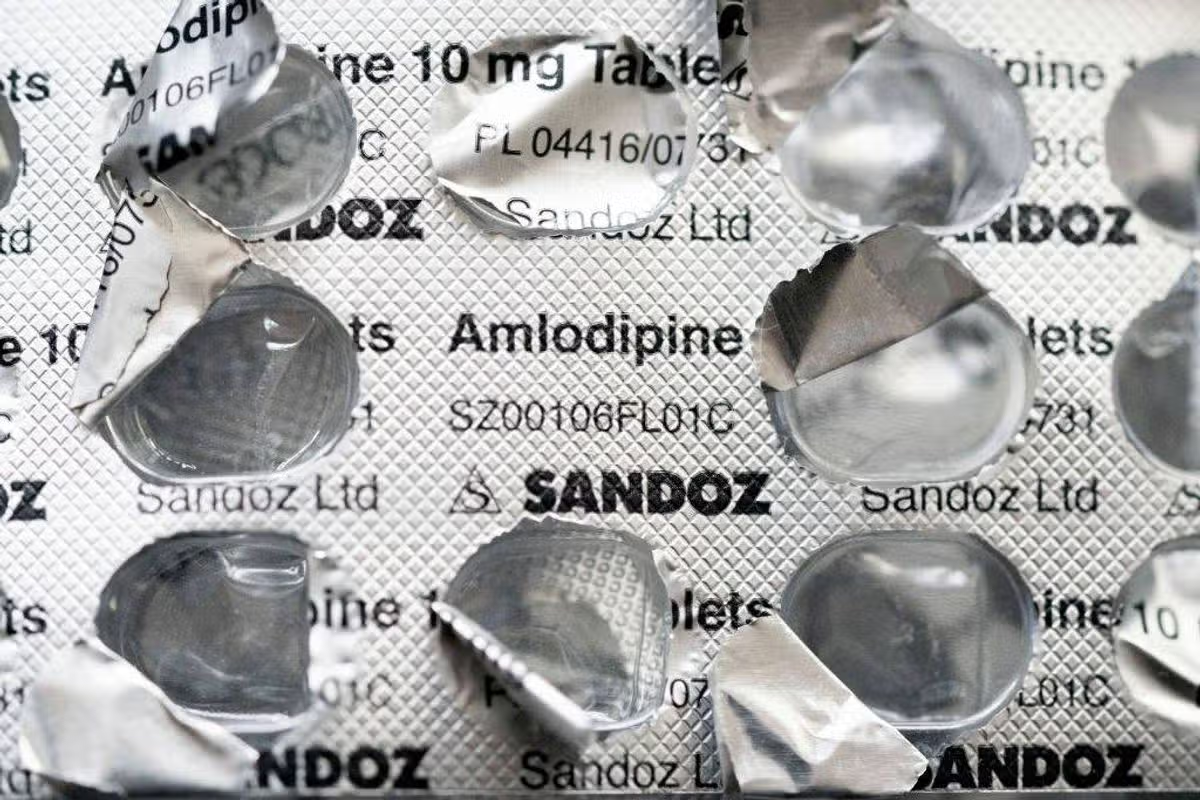
Amlodipine is another common medication used to treat high blood pressure in Ireland.
Regarding amlodipine, Dr Amir Khan raised concerns about its potential impact on certain patients. He said: “The way [amlodipine] works is by widening your blood vessels and allowing some leakage of fluid into your ankles – you get swollen ankles.”
He said this is “very common” and can affect one in five people.
He went on to reiterate: “So, again, lots of alternatives to blood pressure tablets, we’ve got different options. If you’re suffering from swollen ankles or a dry, irritating cough, it could be your blood pressure tablets. Speak to your doctor. Plenty of alternatives.”
In the comments section, one viewer wrote: “Amdopipine can also cause drug-induced hyperplasia in your gums as a side effect, so make sure you have healthy ones before starting this medication to limit the risk of this occurrence.”
Another added: “My husband couldn’t tolerate Ramipril or Amlodipine (swollen ankles), currently takes losartan (ARBs). BP Perfect.”
Always consult your doctor if you have any concerns or issues with your prescribed medication. If the side effects are troubling you, there are likely other alternatives worth considering.
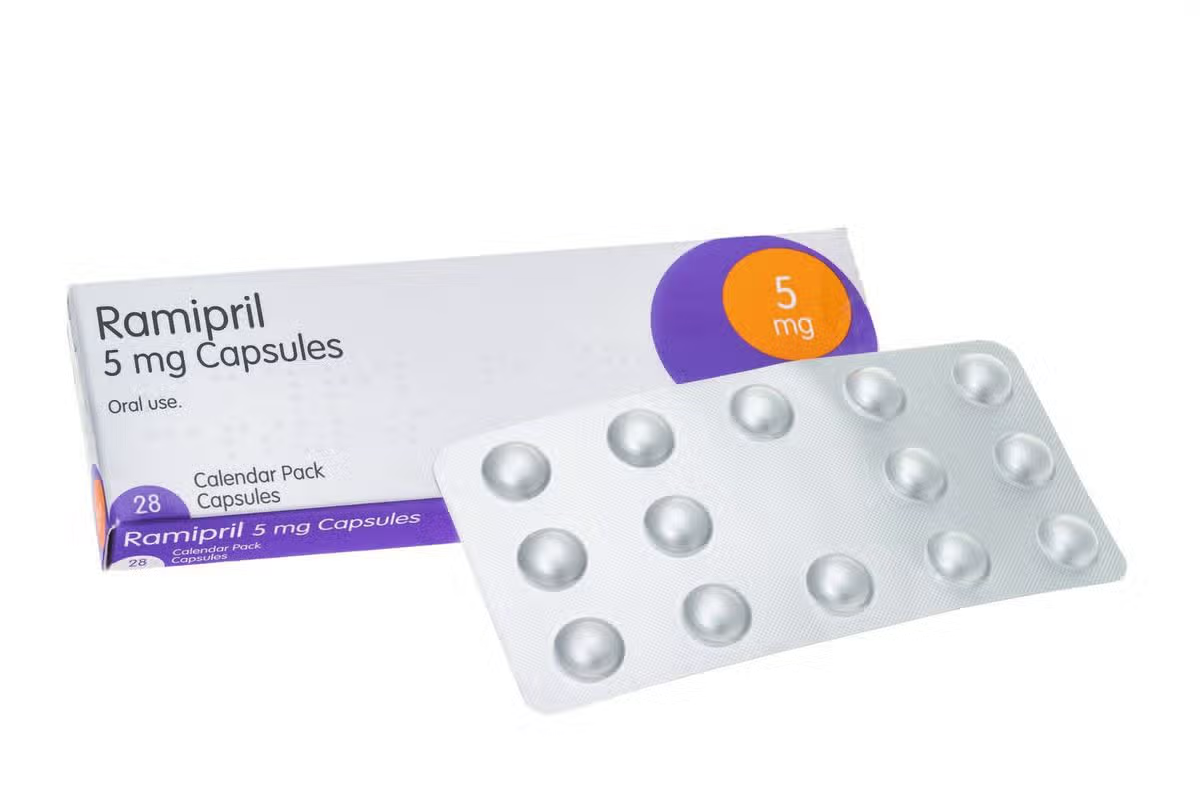
Ramipril is taken by thousands of people across Ireland every single day. (stock image)(Image: Getty)
What are the common side effects of Ramipril?
The HSE states that a dry, persistent cough that does not improve is a side effect of Ramipril. It says: “Cough medicines do not usually help for coughs caused by Ramipril. Sometimes the cough gets better on its own if you keep taking Ramipril.”
These common side effects of Ramipril occur in more than one in 100 people.
What are the common side effects of amlodipine?
The most common side effects of amlodipine include:
HeadachesFeeling dizzyFlushingA pounding heartbeatSwollen ankles