
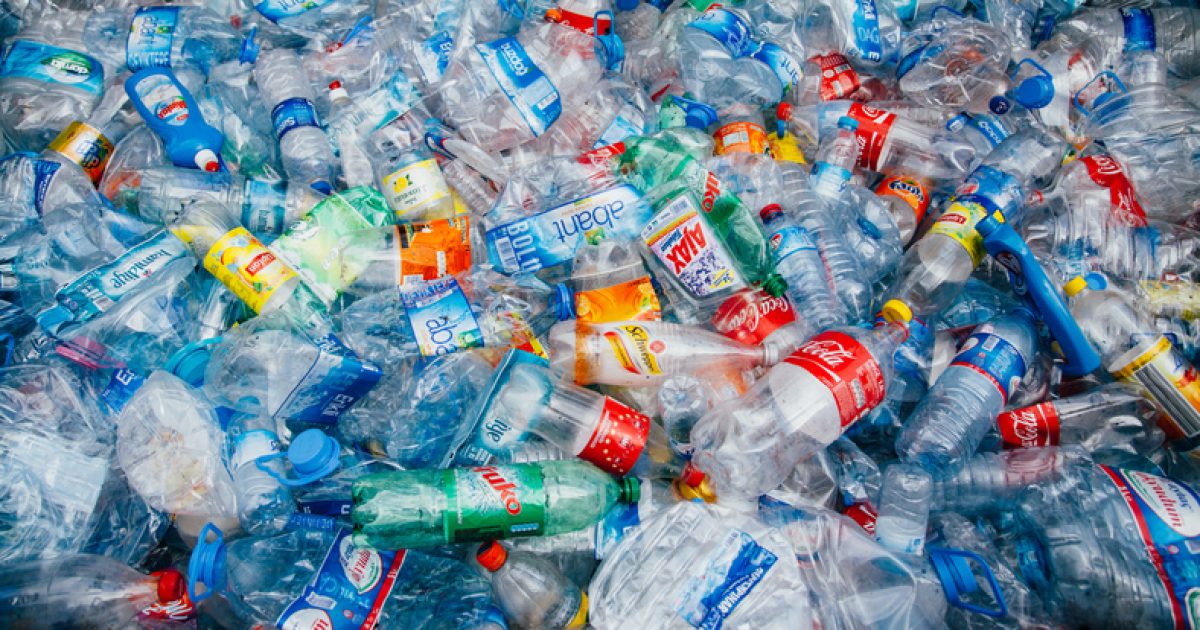
Not enough plastic waste is being recycled but new ACT Government measures will help. Photo: Sami Sert.
The ACT is leading the way in waste recovery but is lagging badly when it comes to plastics, according to a new study.
The study from regulatory and compliance solutions provider Intertek Inform shows the ACT is the best performing jurisdiction when it comes to residential waste with a recovery rate of 81.4 per cent but only 11.4 per cent of plastics are recycled.
The situation is even worse for commercial plastics with just 0.3 per cent recycled, with 99.7 per cent heading to disposal in landfill or burial, the highest commercial plastics disposal rate of any Australian jurisdiction.
The ACT Government said measures were being taken to boost the rate and the new recycling plant would also increase recovery of plastics.
But Greens Leader Jo Clay said the government was falling behind on waste, saying the new facility would not recover soft plastics and the promised FOGO facility had been delayed again.
The research analyses 2022-23 data from the Australian National Waste and Resource Recovery Database and the Australian Bureau of Statistics. Waste recovery is defined as the process of recycling, reusing or converting waste to energy.
ACT residents generate the most waste per person of any Australian jurisdiction at 671 kilograms per year but this figure reflects a more complete formal measurement of all waste streams rather than higher per-resident generation.
The research showed ACT’s high residential recovery rate was driven by strong organics (93.7 per cent) and paper and cardboard (88.3 per cent) recovery.
Besides plastics, the other poor result was in building and demolition materials, with 100 per cent sent to disposal and zero recovered across 8808 tonnes of waste.
The research showed ACT businesses generate over 300,000 tonnes of commercial and industrial waste per year, equating to 8554 kg per business, slightly below the national average of 8748 kg.
Commercial waste recovery was 63 per cent, the second highest rate in the country behind South Australia at 73.7 per cent.
Metals and glass performed best with 100 per cent recycling rates recorded for both categories, with building and demolition materials following at 86.4 per cent.
While almost no commercial plastic waste in the ACT was recycled, organics also underperformed at 33.7 per cent recovery.
Hazardous wastes achieved a 66.0 per cent recovery rate, with energy recovery contributing 34.2 percentage points, the highest energy recovery share of any ACT commercial material category.
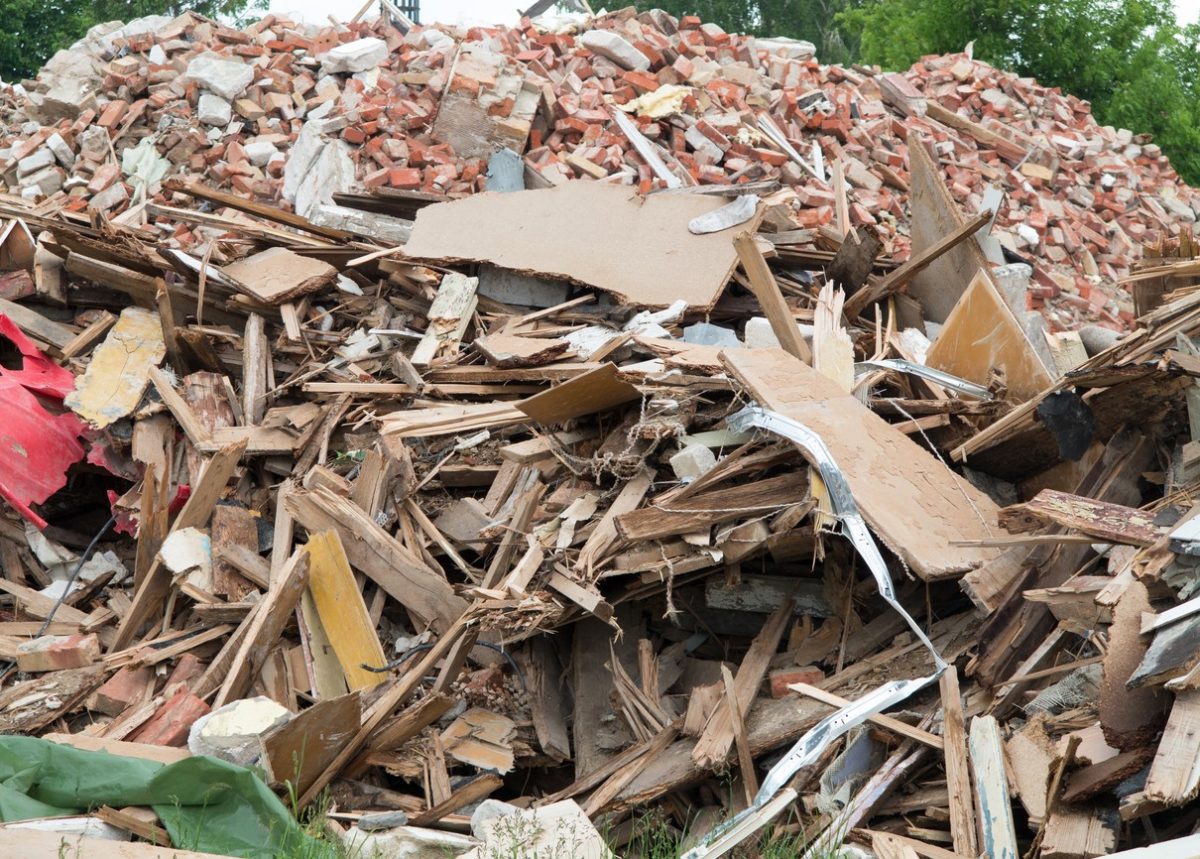
Building and demolition waste is also a problem. Photo: File.
The ACT Government said the data would be impacted by the 2022 fire that destroyed the Material Recovery Facility (MRF) in Hume but defended its action on plastic waste.
A spokesperson said that in 2021, ACT was the second Australian jurisdiction to start banning single-use plastic items, beginning with single-use cutlery, stirrers and polystyrene and expanding over recent years to include items such as straws (with exceptions), oxo-degradable plastics, plastic cotton buds, plates and bowls and expanded polystyrene loose-fill packaging.
A further 14 items such as bread tags, plastic bowls with lids, plastic-lined coffee cups and soy sauce fish containers were currently being considered for future plastic phase-outs.
The popular Container Deposit Scheme would also expand in 2027 to include a wider variety of containers, including all plastic fruit/vegetable juice and cordial containers up to three litres.
The spokesperson said the replacement MRF in Hume, due to open in 2028, would use advanced optical sorting technology and automated systems to better identify, separate and recover plastics and other recyclables.
Increasing recovery rates was one of its primary objectives. The new MRF would be capable of processing up to 115,000 tonnes of mixed recyclables per year and feature advanced optical and laser-based sorting technology specifically designed to improve the identification and separation of plastics and other recyclable materials.
“This will allow more material from both household and commercial recycling streams to be recovered at higher quality and with less contamination,” the spokespersons said.
But Greens Leader Jo Clay said the new facility was designed to maximise profits for the operator, Veolia, recovering only the most valuable materials.
Ms Clay said a lot of packaging waste, including soft plastics, would be sent to landfill.
“This is a betrayal of how these facilities first operated in the 1980s, when they were built and run to recover all standard supermarket waste,” she said.
Ms Clay said the government had also again delayed the rollout of the planned FOGO facility until 2030, without a clear reason.
“Meanwhile, all our local food and garden waste businesses are struggling or closing down, so the private sector can’t even compensate for government inaction,” she said.
Ms Clay said that according to last year’s City Services annual reports, the ACT was now only recovering 65 per cent of all its waste, after reaching a high of 82 per cent in 2022, and sending around 200,000 tonnes of construction waste across the border.
The government spokesperson said the reduction in overall material volumes processed at the interim facility was largely due to some commercial organisations and neighbouring NSW councils using alternative recovery pathways, rather than sending material to Hume.
Ms Clay said the Federal Government had failed to deliver the product stewardship legislation that the ACT said was needed, and voluntary schemes were ineffective.
She said Greens Senator Peter Whish-Wilson had introduced a mandatory product stewardship bill but Environment Minister Suzanne Orr had said she had not contacted her counterparts to back it or make amendments.
“We are simply not getting any progress despite the majority of our population wanting to recycle well and wanting industry to pay for the damage they are causing,” Ms Clay said.