
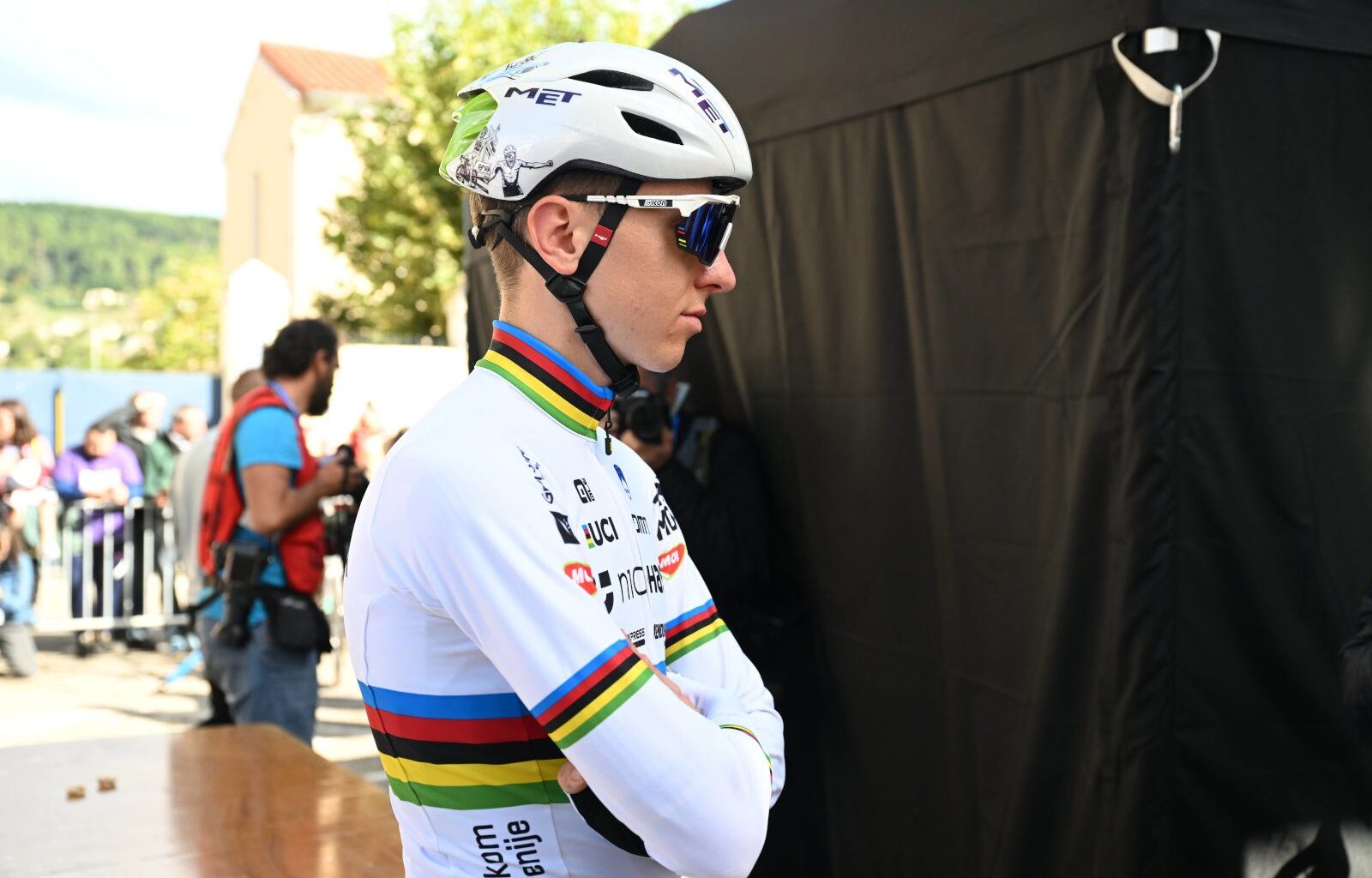
La Vuelta a España is going to be a bit different this year–not just because it takes a bit to get to Spain. But because world champion, Giro winner and five-time Tour de France champ Tadej Pogačar will be there.
The 2026 race starts right by Pogi’s place in Monaco with a short individual time trial. Then heads across the border into France before taking on the mountains of Andorra.
The peloton enters Spain on stage 5 and stays there for the rest of the race, with the route eventually making its way south before turning toward Granada for the finish.
The 2026 route
There are 21 stages covering 3,275 kilometres. And there won’t be much room for anyone looking for an easy ride to the final week. Six stages are classified as mountain days, while the sprinters have roughly four or five genuine chances to fight for a win.
There’s also a bit of something different on stage 6, when the riders hit a section of dirt road. That should make for fun viewing (and un-fun riding.)
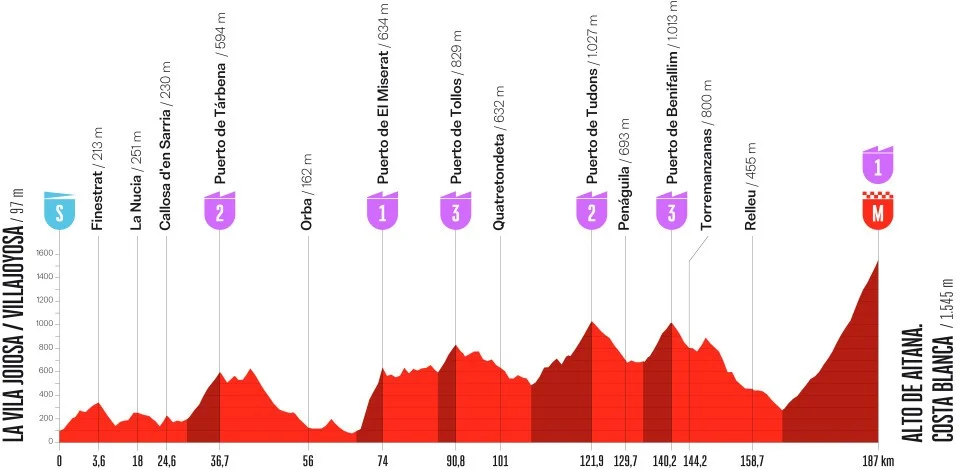
The Vuelta also starts off pretty tough, which is sort of unusual for the Spanish Grand Tour. The opening week includes summit finishes at Font-Romeu and Aramón Valdelinares, while the Alto de Aitana closes out the first week with more than 5,000 metres of climbing.
The second half of the Spanish Grand Tour doesn’t exactly let up. Not one bit, amigo. There are some mountain-top finishes at Calar Alto, Sierra de la Pandera and Collado del Alguacil. There’s also another TT: the boys in Spain will be doing a 32-km time trial late in the race. Nothing says fun like sore legs and a decent-sized contrarreloj.
And then there’s the finale. Instead of the usual processional finish, stage 21 in Granada includes a climb to the Alhambra. Similar to the Tour de France’s new route in Paris, where the riders go up Montmartre a few times, it gives the final day a little more oomph than your typical Grand Tour finale.
The favourites
1. Tadej Pogačar
2. The end
(It should be noted that Sainte-Perpétue, Que.’s Hugo Houle (Alpecin – Premier Tech) will be there. The Tour de France stage winner is thus far the only Canuck listed, but there may be more. Canadian Cycling Magazine will update this if more are added closer to the Gran Salida.)
The stages of the 2026 Vuelta A España
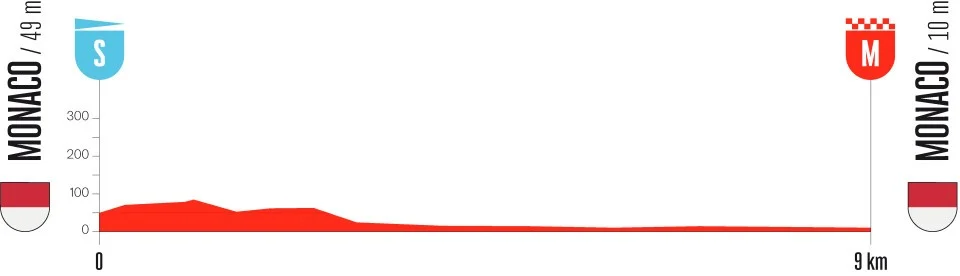
Stage 1 — Monaco to Monaco, 9 km:
A short, technical opening TT around Monaco where seconds will matter from the very first day.
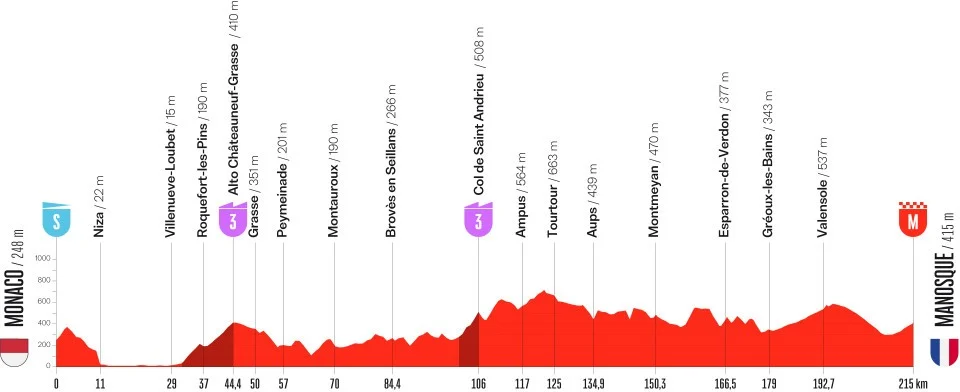
Stage 2 — Monaco to Manosque, 215 km:
The longest stage of the Vuelta should favour the sprinters if they can get through the opening hills and technical roads.
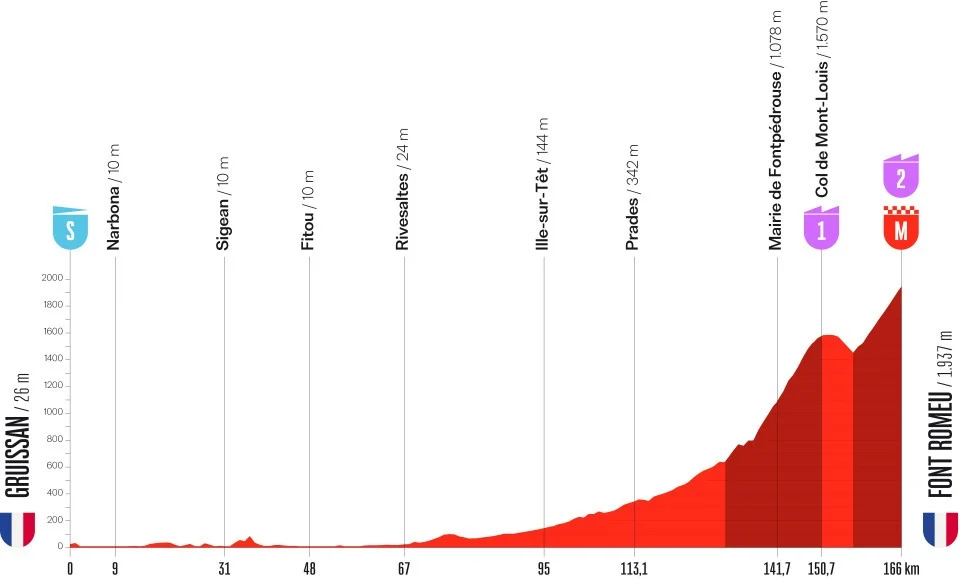
Stage 3 — Gruissan-Font Romeu, 166 km:
The race heads toward the Pyrenees before finishing uphill at Font-Romeu in the first summit finish of the Vuelta.
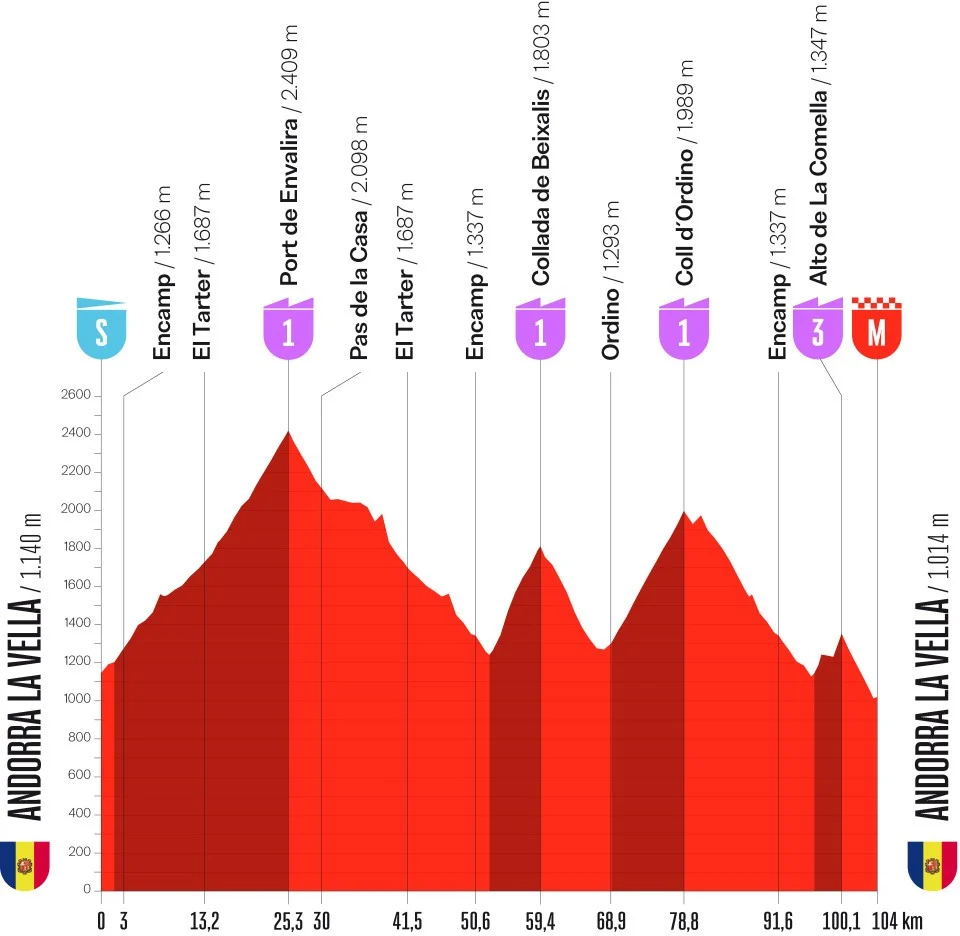
Stage 4 — Andorra la Vella to Andorra la Vella, 104 km:
A short, savage day over three first-category climbs before the final run to La Comella.
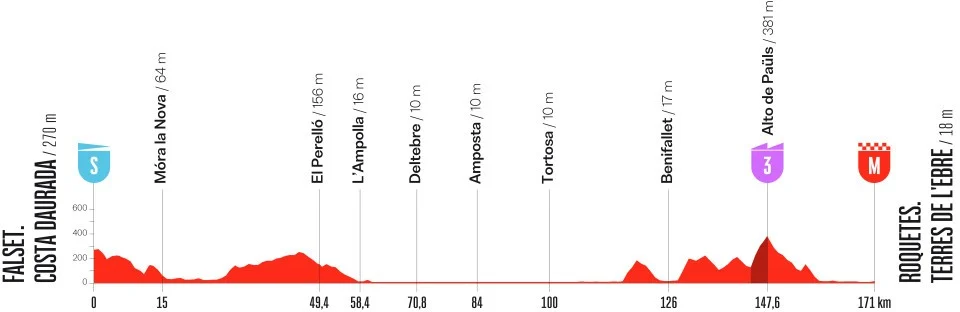
Stage 5 — Falset to Roquetes, 171 km:
One of the better sprint opportunities, although a breakaway will have plenty of incentive to try its luck.
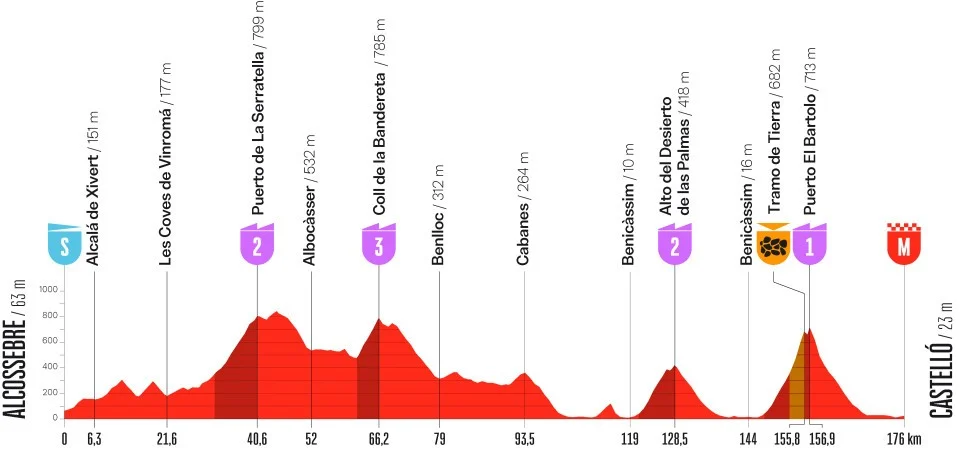
Stage 6 — Alcossebre to Castellón, 176 km:
The big talking point is the dirt section on the final climb. It will be super fun to watch, but probably not to ride.
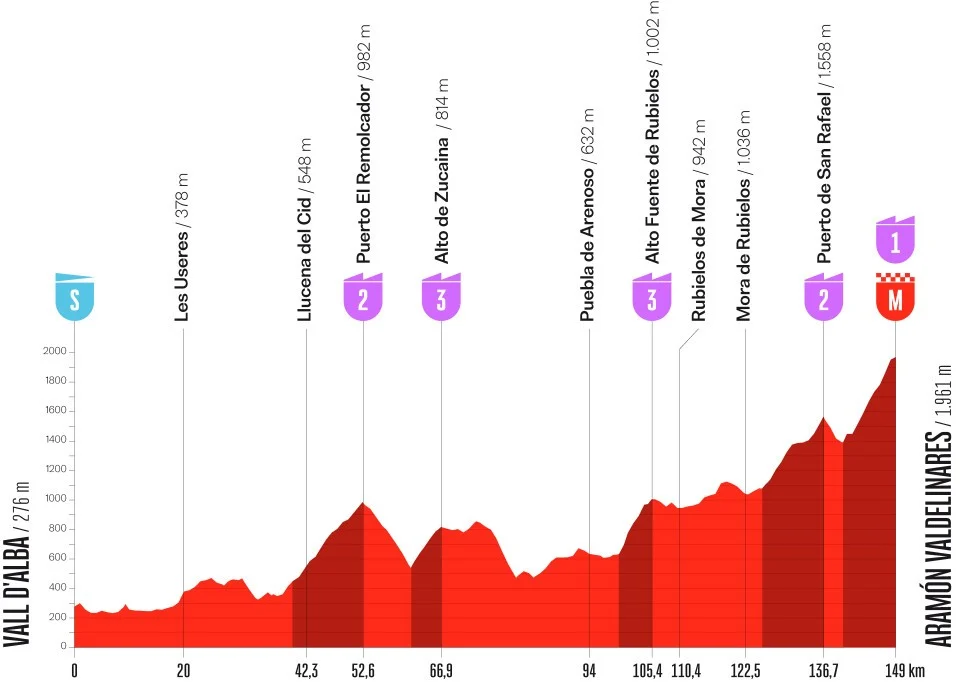
Stage 7 — Vall d’Alba to Aramón Valdelinares, 149 km:
Another summit finish arrives quickly, with the final climb likely to produce more GC separation.
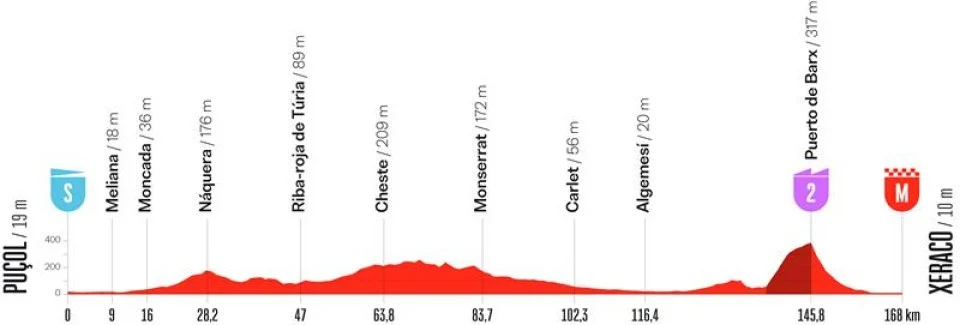
Stage 8 — Puçol to Xeraco, 176 km:
The sprinters get another chance, buuuut they’ll have to survive the category-2 climb late in the stage.
Stage 9 — La Vila Joiosa to Alto de Aitana, 187 km:
More than 5,000 m of climbing make this a huge GC day with Aitana waiting at the end.
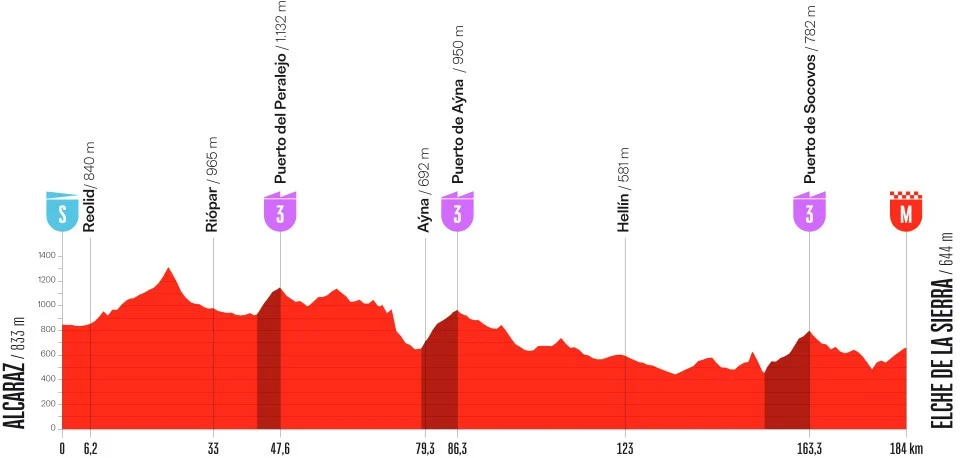
Stage 10 — Alcaraz to Elche de la Sierra, 184 km:
A rolling post-rest-day stage where the break could be difficult to control.
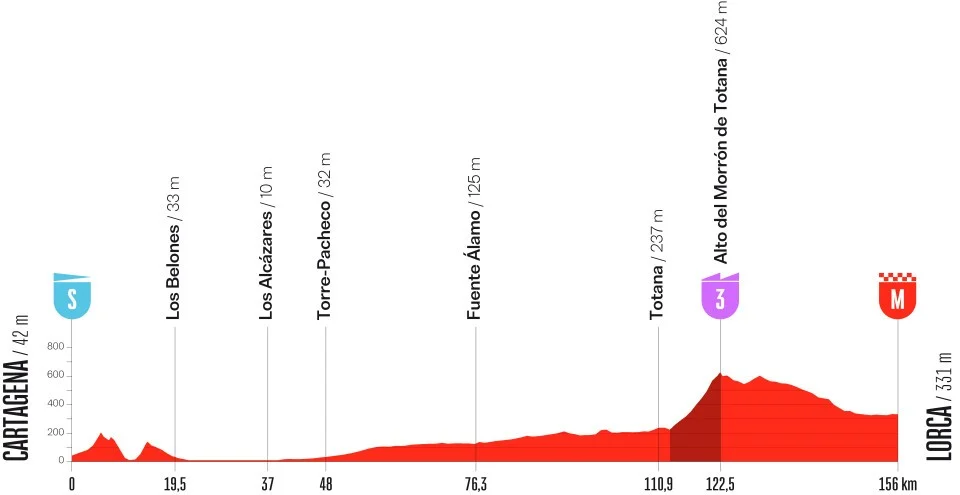
Stage 11 — Cartagena to Lorca, 156 km:
A mostly flat day with one late category-three climb standing between the peloton and another likely sprint.
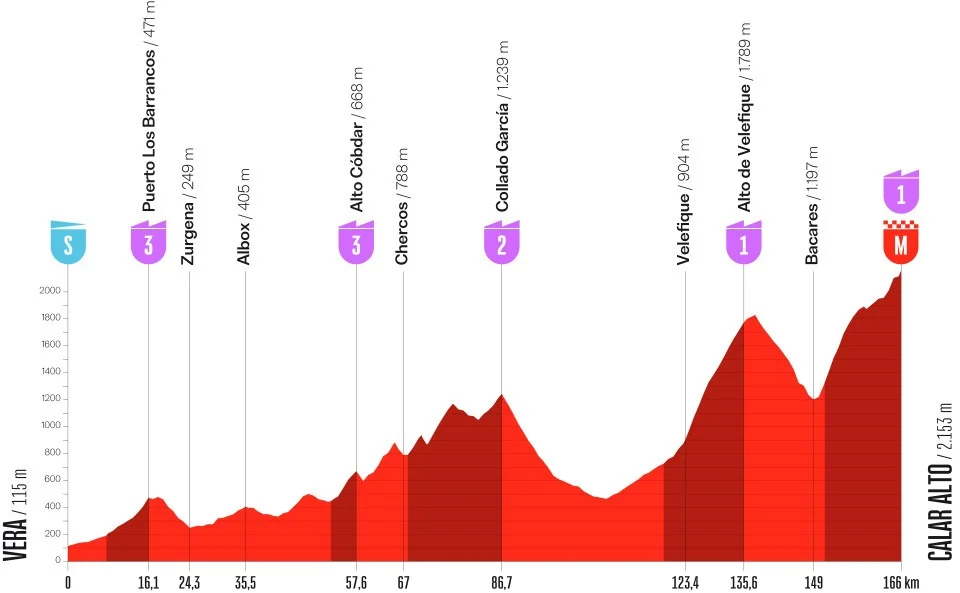
Stage 12 — Vera to Calar Alto, 166 km:
Velefique and the summit finish at Calar Alto make this one for the GC contenders.
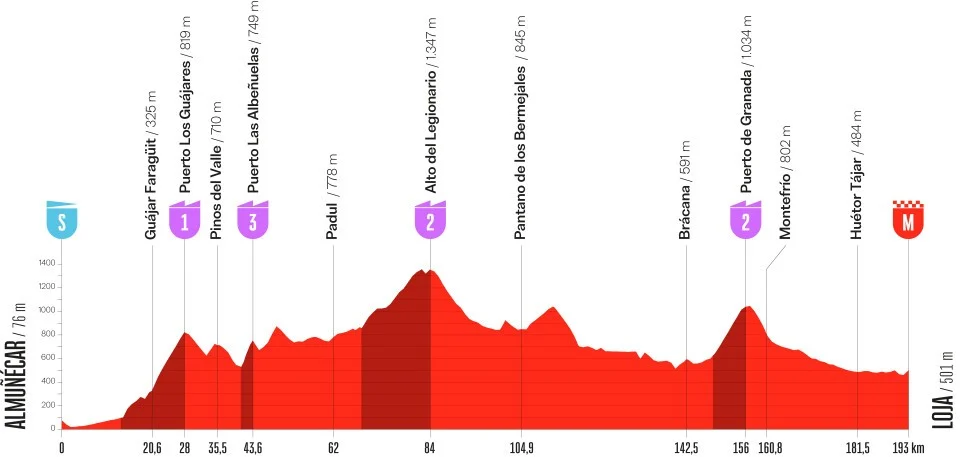
Stage 13 — Almuñécar to Loja, 193 km:
A long, lumpy stage that could suit a breakaway, strong rouleur or sprinter who can climb.
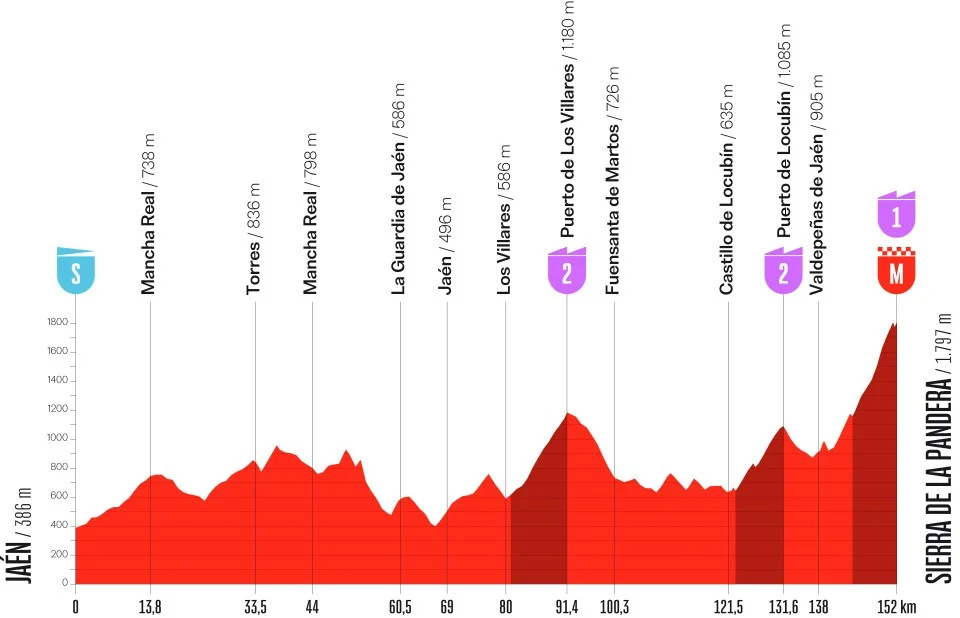
Stage 14 — Jaén to Sierra de La Pandera, 152 km:
Heat and steep gradients could make this another leg-breaker for anyone having a bad afternoon.
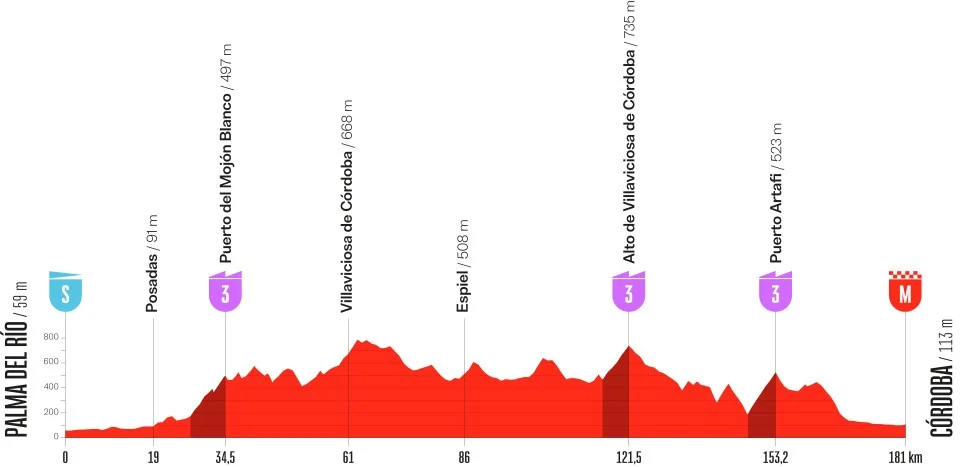
Stage 15 — Palma del Río to Córdoba, 181 km:
A Classics-style stage through Sierra Morena that looks tailor-made for an break.
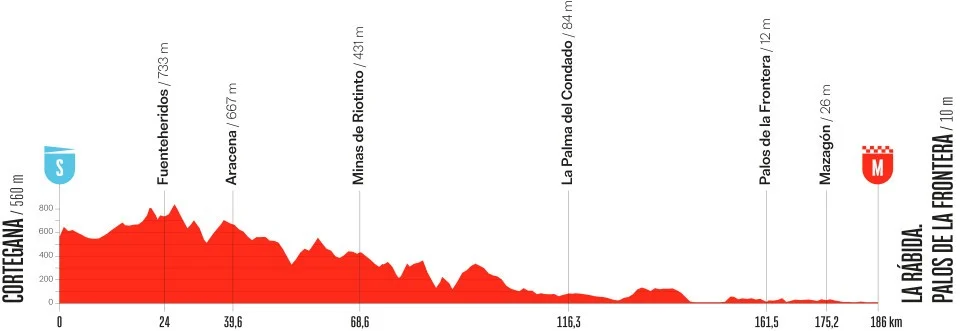
Stage 16 — Cortegana to La Rábida, 186 km:
A twisty opening gives the break a chance before the flat coastal run sets up a possible sprint.
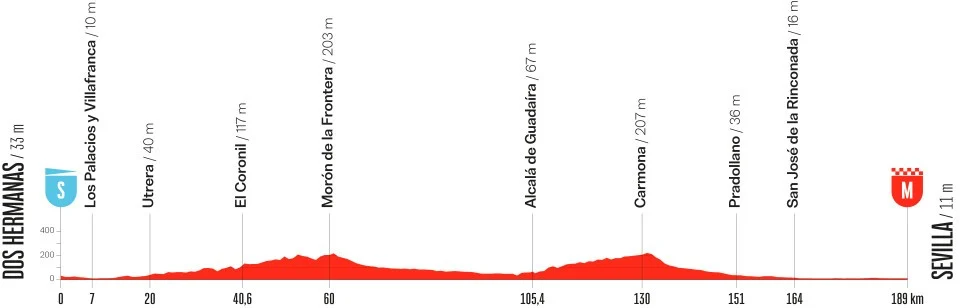
Stage 17 — Dos Hermanas to Seville, 189 km:
The flattest stage of the race should give the sprinters their clearest opportunity.
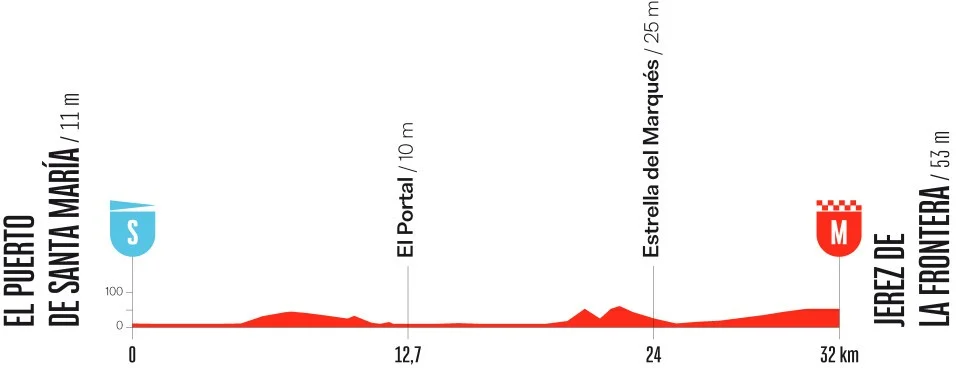
Stage 18 — El Puerto de Santa María to Jerez de la Frontera, 32 km:
Could be a windy day in the race’s second and final time trial.
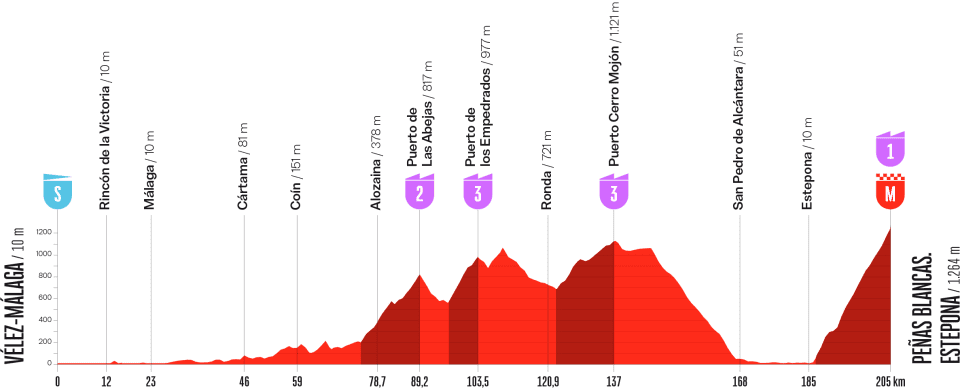
Stage 19 — Vélez-Málaga to Peñas Blancas, 205 km:
A long stage through the Serranía de Ronda ends with an uphill finish and another big breakaway opportunity.
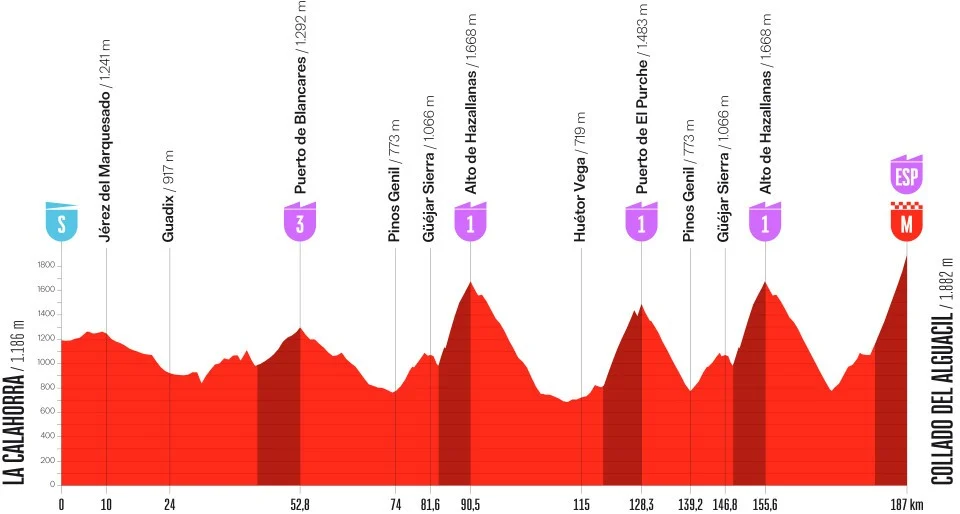
Stage 20 — La Calahorra to Collado del Alguacil, 206 km:
The last mountain stage is a monster, with more than 5,000 m of climbing and a brutal 8.3-km final ascent averaging 9.8 per cent.
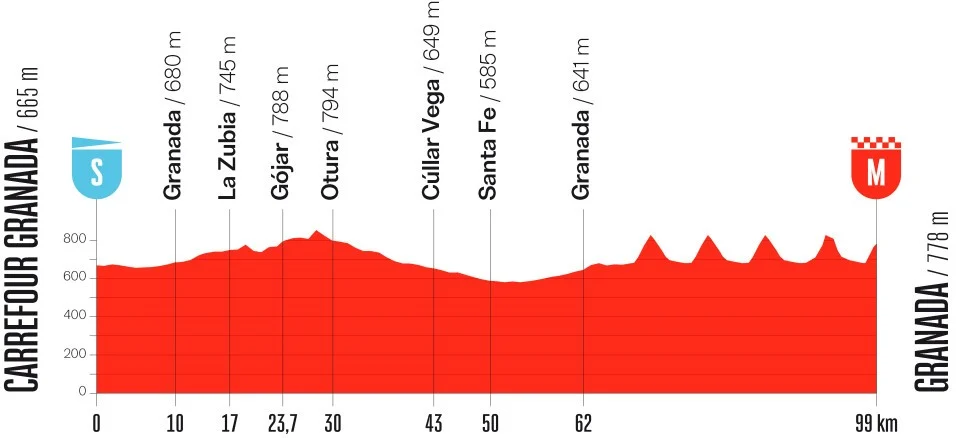
Stage 21 — Granada to Granada, 99 km:
The Vuelta finishes with a city-centre circuit and the climb to the Alhambra, meaning the final stage still has some racing in it. Paris and Montmartre, hold my cerveza.
Every stage will be broadcast on Flobikes.com, and Canadian Cycling Magazine will have a report after each day of racing. ¡Vamos!