
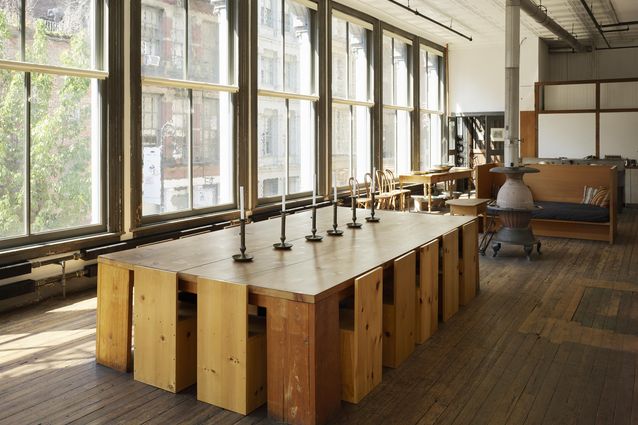
In 2024, Kim Kardashian made headlines after appearing in a video showing off an office fitout, which included a set of “Donald Judd” tables that were later alleged to be replicas. The Judd Foundation sued Kardashian for making false claims, and the specifier (who was also the supplier) for trademark and copyright infringement.1
When we look at the situation closer to home – yes, Australia’s intellectual property laws differ from those in the United States, but they are still taken seriously.
Big-ticket items such as bespoke furniture and designer lighting are often the first to be cut in the value management process, sometimes with exact replicas being commissioned in their place. What may appear as a cost saving measure, in many cases, raises legal and ethical questions.
When can specifiers be exposed to legal risk?
Whether a replica creates legal issues depends on context. Not every replica is unlawful, and specifying an original product that a contractor later substitutes for a copy does not automatically expose specifiers to liability. However, Melbourne-based intellectual property lawyer Sharon Givoni says the wording of specifications and the architect’s involvement in approving substitutions is where problems can occur.
“If the architect, in any way, knowingly – even implicitly – agrees to or encourages substitution, or if the contract is drafted so loosely it appears to permit a replica, then that’s when architects aren’t necessarily off the hook,” Givoni says. “The implications of not having clear provisions in architectural contracts are that they can unwittingly and unwillingly be dragged into a dispute that they never bargained for.”
Givoni explains that wording such as “or equivalent” and “or similar” can leave room for error when not clearly defined – creating scope for substitution of replica products that are not consistent with the original design.2 Instead, outlining the exact product, designer and manufacturer can help reduce deviation from the intended product, and stating that substitutions are not permitted prior to written approval can provide extra protection. By taking these extra precautions, it can make it harder for a party to argue that a product is compliant simply because it performs a similar function. “Ultimately, the clearer the document, the easier it is to enforce and the less room there is for disagreement,” she says.
How does specification of replicas impact product designers?
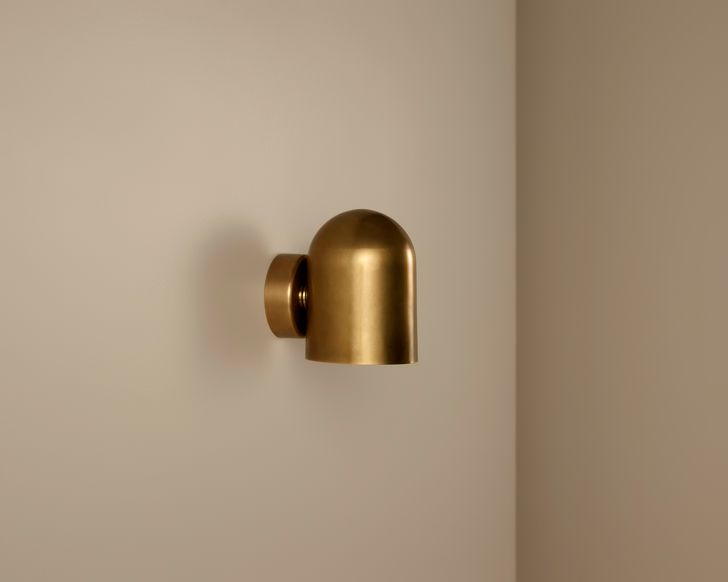
Nightworks Studio founder Kiri Morgan has seen “intentional replicas” of her lighting designs multiple times – but thinks the issue occurs further down the procurement chain.
“Everything comes down to the bottom line, and they’ll be trying to cut costs in every which way possible,” she says. “There are instances where the specifier or architect is none the wiser that [a replica] ends up in their project.”
View gallery
Even Morgan didn’t realise a project she’d supplied lighting for had only ordered part of the specification. It wasn’t until her brother sent a picture of one of the light fixtures while visiting the prominent Melbourne venue, that she clicked – the remaining fittings appeared to have been substituted with products replicating her design entirely, she says.
“For us as a business, the loss is huge. Commercial projects often get a lot of exposure, so we’re seeing inferior manufactured products of our design put out there in a public domain that can cause confusion with potential clients,” Morgan says.
The ethical dilemma
For designers like Morgan, pursuing legal protection can be complicated, especially when the distinction between “inspired by” and a direct copy isn’t clear-cut. As Givoni puts it, “You can’t measure a 10% difference with a ruler – so for that reason it’s just not a test”.3
The challenge is compounded by the fact that many designers have limited legal protection. According to IP Australia’s Designs Review Project 2020, 55% of industry respondents reported non-trivial copying and estimated median losses of between $50,000 and $100,000 when a design was copied.4 Many of those respondents hadn’t sought protection for their designs – either through registered IP rights or informal protection methods. This leaves product designers vulnerable to copying.
If anyone understands the importance of protecting design integrity, it’s designers in the built environment. Plus Studio associate Ivona Golubovic shares that for specifiers there’s an ethical responsibility when it comes to product selection.
“As a profession built on creativity and original thinking, we should recognise the investment designers and manufacturers make in developing products that shape our environment,” she says. “And supporting original design helps foster innovation.”
Golubovic explains that specification is an important part of her role as an interior designer, requiring research, technical review and building relationships with suppliers and manufacturers. To then swap out a carefully considered product on a whim is to change the original design intent of the project.
So, what can specifiers do?
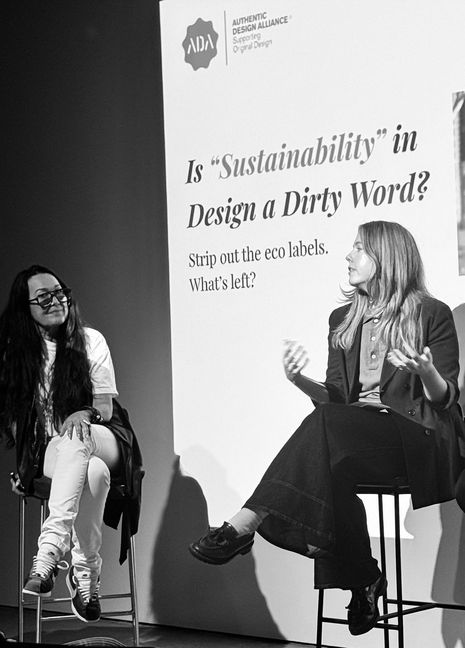
Authentic Design Alliance (ADA) director Anne-Maree Sargeant has been an advocate for product designers across Australia for the past decade. She has recently decided to open ADA membership to built environment professionals, recognising the need to combat the issue together.
View gallery
“I think the number of architects and interior designers expressing interest in joining shows a shift, where these firms are wanting to ensure that the younger people coming through their practices are properly informed,” she says. She also cites the “Pinterest-isation” of design specification as risky territory due to the ambivalence surrounding dupe culture and the ability to shop for products online without being able to inspect quality and provenance in real life.
Golubovic is one of the design professionals leading the charge. “Our role is to stay engaged throughout delivery, understand what can change, and, more importantly, protect the elements that are fundamental to the design,” she says. “The most successful projects aren’t necessarily those that spend the most or the least, they’re the ones that make informed decisions while remaining true to the original vision.”
Value management is inevitable and there will be times where a designer product is out of budget or has too long a lead time, but as Golubovic adds, “Good value management is about identifying legitimate alternatives that maintain design intent, quality and long-term value.”
While Kardashian’s case made global news due to her celebrity status, replica specification is happening behind closed doors every day – with consequences that are often less visible but no less significant. Givoni believes that while architects and designers may feel powerless; they do have influence. “Every time they insist on an original or push back on a proposed copy or explain to the client what it adds to the design, it can quietly shift the market in favour of authentic design.”