
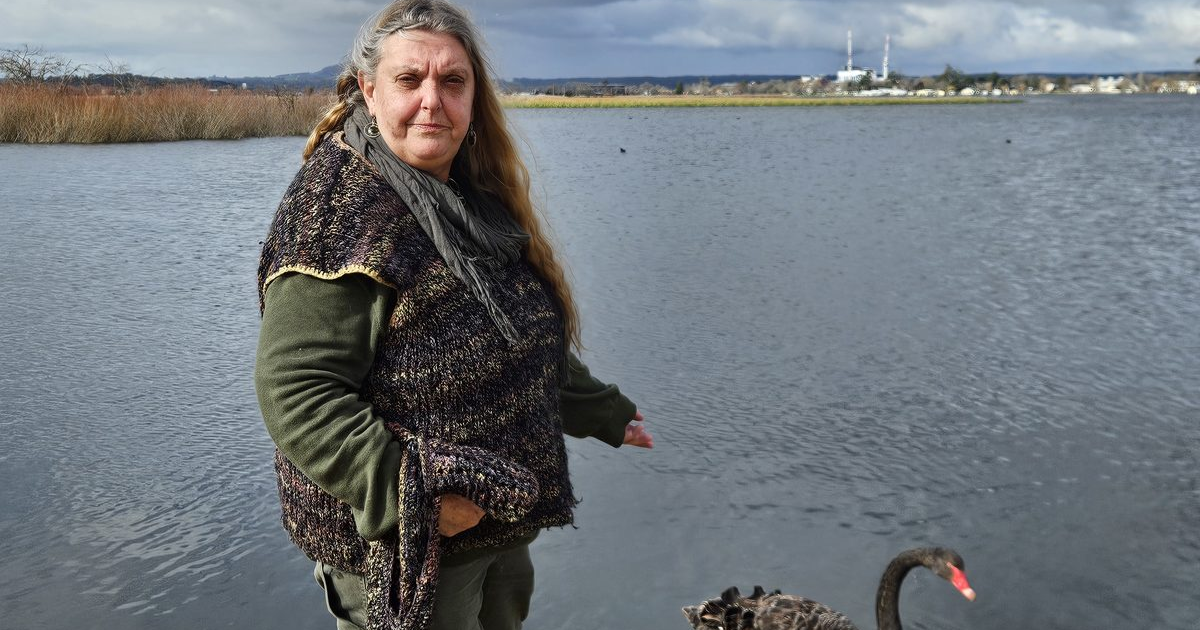
GORDON Wildlife Alliance members are calling on the public to be mindful of bird flu if they see birds that look injured or ill.
When it comes to the disease, the Alliance’s Heidi Johnson said there are signs to look out for.
“Have a look from a reasonable distance, I would say a minimum two metres,” she said.
Johnson encourages people to take photos and research what other possible causes there could be for the bird to be unwell.
“We don’t want people to be panicking and thinking there’s bird flu when in fact there’s something else going on,” she said.
The federal government has requested people don’t touch birds, but to record their location, take photos or video if there are multiple dead birds or animals.
These occurrences can be reported to the 24-hour Emergency Animal Disease Hotline on 1800 675 888.
Johnson said wildlife rescuers should use PPE equipment when handling wildlife that may have bird flu.
Burnet Institute scientific director for research translation Professor Heidi Drummer said the H5 strain has shown an ability to spread through wild bird populations globally.
“The term highly pathogenic refers primarily to the severe disease the virus can cause in poultry and some wild birds. It does not mean that the virus is currently spreading easily between people,” she said.
“The risk to the general public remains low. Human infections are rare and have overwhelmingly been associated with close, direct contact with infected animals or contaminated environments.
“From overseas experience to date, there is currently no evidence of sustained person-to-person transmission.”
Drummer said the public had an important role to play.
“People should not touch sick or dead birds, should keep children and pets away from them, and should report sightings so they can be investigated safely.”