
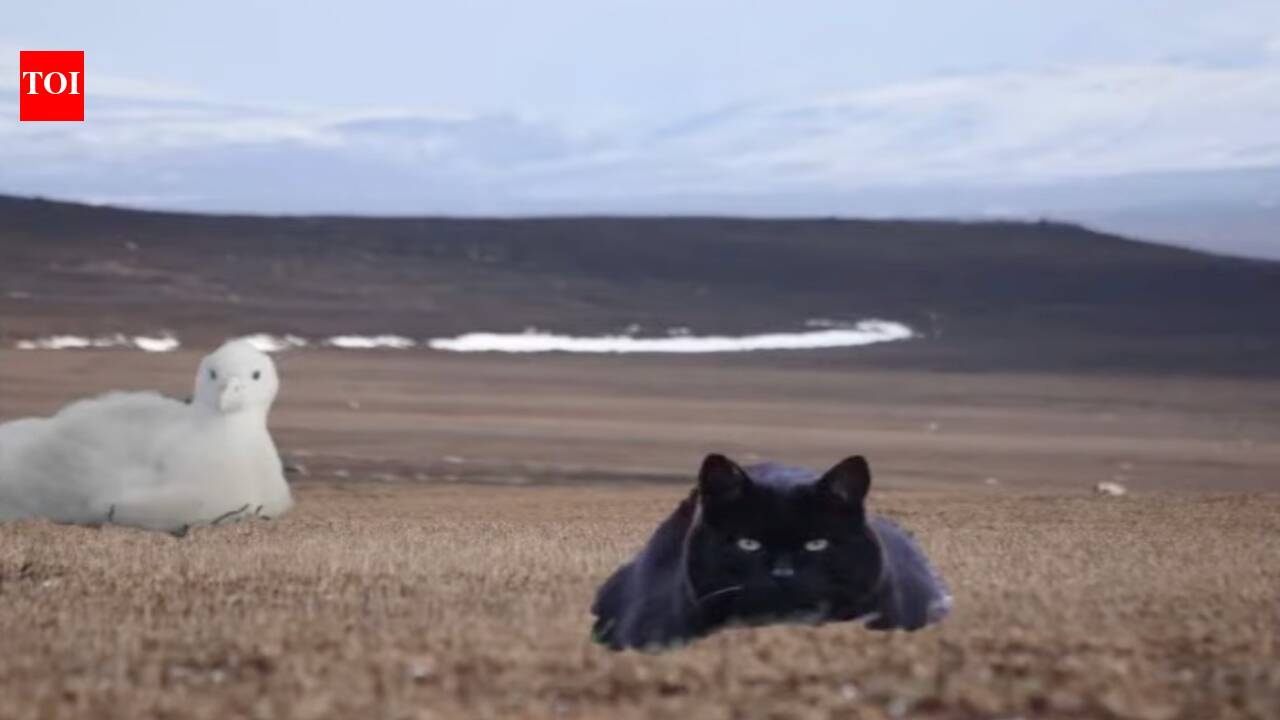
 A feral cat on Kerguelen Island near a wandering albatross chick. Credits – @SmartestYearEver/Youtube In 1951, two cats from mainland France were brought to Port-aux-Français on the remote Kerguelen Islands to help control rodents around the newly established research station. The plan was practical, but the cats were not under human care for long. They escaped, survived in the wild and began reproducing across Grande Terre, the archipelago’s main island. Two more cats, from Madagascar and South Africa, were brought in five years later. By 1998–2000, researchers estimated that around 7,000 feral cats were living across Grande Terre. The French Southern and Antarctic Lands administration now identifies feral cats as one of the major threats to wildlife on Kerguelen.Kerguelen is a remote sub-Antarctic archipelago in the southern Indian Ocean, with a harsh climate and hundreds of smaller islands surrounding Grande Terre. Its native wildlife evolved without cats, so birds and other animals had little reason to recognise a land predator as a threat. Once the cats became established, however, they found plenty of prey. Rabbits and mice, themselves introduced to the islands, provided a dependable food source, while seabirds offered another. The cats were no longer just animals brought to a research station; they had become established in the island’s wild population.How two cats became thousandsThe growing population drew attention. Control campaigns began as early as 1960, but keeping numbers down proved difficult on an island covering thousands of square kilometres. Cats could live far from the research station and move through areas that were difficult for people to reach. Earlier studies recorded about 3,500 cats after control efforts in the 1970s, but numbers later increased again. Their varied diet helped them survive when one prey species became less available.For years, the main concern was predation on smaller seabirds, particularly burrowing petrels. Cats could reach breeding areas and take birds that had evolved without mammalian predators. Their presence also created a complicated relationship with the rabbits they had originally been expected to help control. The cats did eat rabbits, but the overall problem was not solved simply by introducing a predator. Instead, Kerguelen gained a new long-term ecological pressure that was difficult to manage. The situation became more worrying when researchers began documenting attacks on wandering albatross chicks. A 2021 study in Biological Invasions recorded 17 attacks by feral cats on 13 chicks. Ten of the chicks died. At sites where attacks were recorded, breeding success was only 12%, compared with 86% at sites without recorded attacks.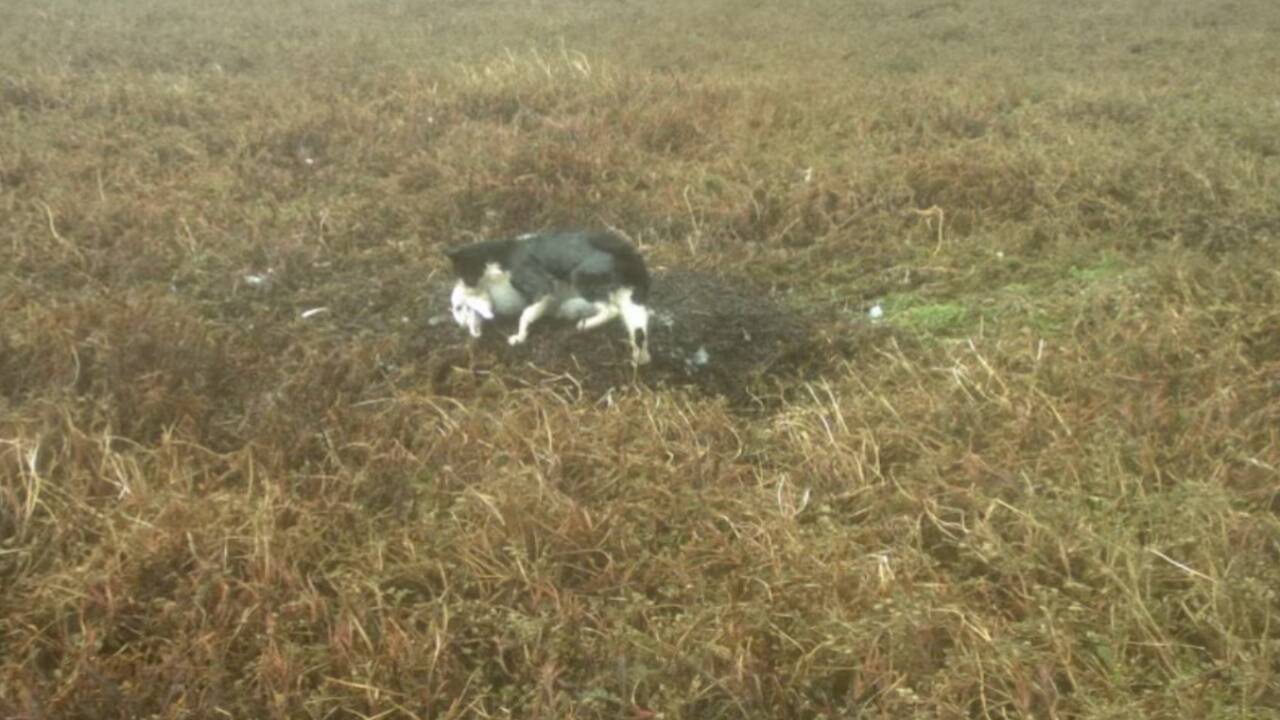
A feral cat attacking an albatross. Credits – @SmartestYearEver/Youtube
A new threat to one of Kerguelen’s largest birdsThe finding mattered because wandering albatrosses are long-lived birds that reproduce slowly. An adult female normally lays just one egg, meaning the loss of even a relatively small number of chicks can matter to the population over time. The birds had evolved alongside Kerguelen’s other wildlife, but cats were introduced only a few decades earlier. The attacks also showed why controlling an established predator is much harder than preventing its arrival. Cats now occupy a large and rugged landscape, and removing them from one breeding area does not necessarily stop animals elsewhere from returning. Conservation teams have used trapping, hunting and targeted control in places where vulnerable seabirds breed. The goal is not simply to reduce cat numbers across the island but to lower pressure on wildlife in the areas where it matters most.A new management project launched in 2024 is continuing that work. The OPACK programme focuses on improving control of feral cats on Kerguelen. The TAAF says the project is aimed at reducing the threat to species, including the wandering albatross, whose breeding success can fall sharply in areas where cats are active. The story of Kerguelen’s cats began with an attempt to solve a rodent problem at a remote research station. Two animals were brought in to control rodents, but after they escaped, they found enough food and space to establish a wild population. Later additions increased the genetic pool, while rabbits and mice gave the cats reliable prey. Decades later, the resulting population had become a conservation problem of its own.Earlier population surveys estimated about 7,000 cats, and French authorities still describe the species as a major threat and continue to invest in control. The wandering albatross attacks made the consequences particularly clear: a predator introduced for human convenience had reached the nests of birds that had never evolved alongside it. What began with two cats at a remote French station became a wildlife-management challenge across one of the world’s most isolated island environments.