
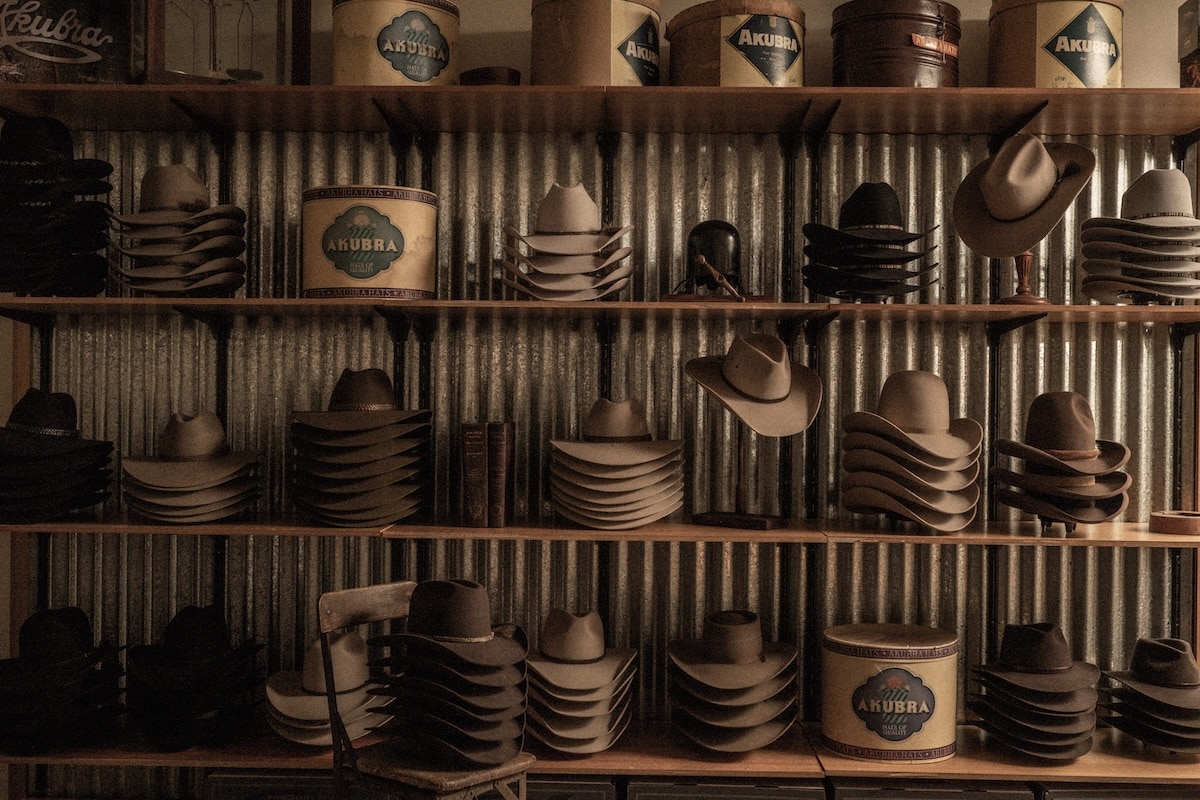
As Akubra marks 150 years, CEO Natalie Culina reflects on the value of craftsmanship, community and preserving skills in an increasingly automated world.
When we reflect on the evolution of manufacturing, more often than not we consider the advances in technology and the machines that have increased efficiency to help businesses keep up with the demands of today’s consumers.
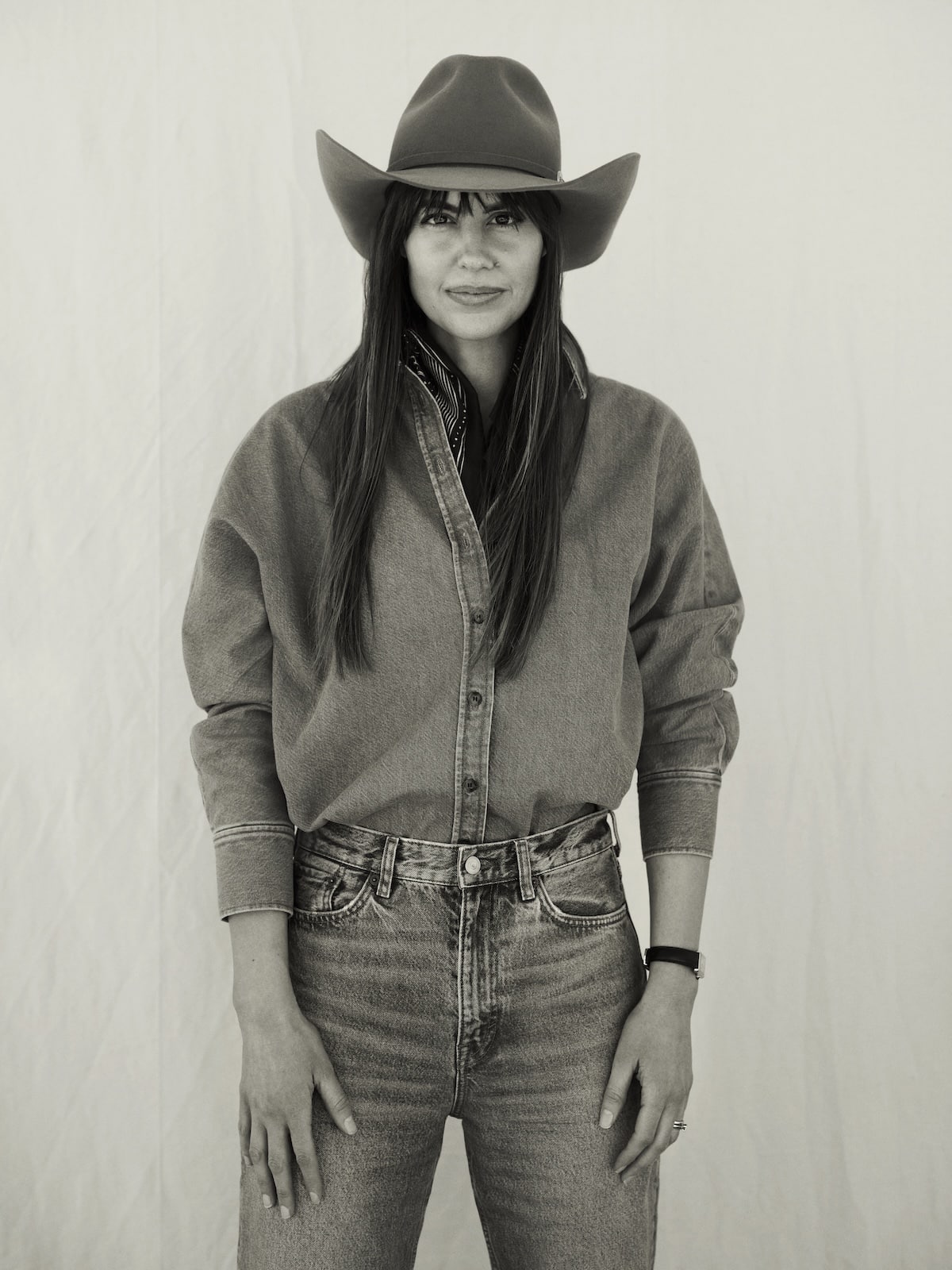 Natalie Culina, CEO Akubra. Images: Akubra
But in an age of automation, I believe Akubra is a quiet act of defiance. In Kempsey, regional NSW, the skill still lives in the sixty pairs of hands that make a single hat, not in software.
For 150 years those hands have been part of some of this country’s most defining moments, from The Man from Snowy River to Slim Dusty, who wore his hat so faithfully that he was granted special permission to keep it on when he performed before Queen Elizabeth II. And Akubra’s manufacturing of the slouch hat, which has been worn by every Australian soldier since the First World War, a symbol of the courage and service that gives us the freedom we have today. There are few products in this country that carry that kind of weight.
150 years is a long time to resist conforming to the fast pace of today. But it’s also a long time to be proved right.
That sense of doing things right is mirrored in the 162 meticulous steps required to make a single hat, a process that takes six weeks from start to finish. At the heart of everything we do at Akubra is a commitment to handcrafting our products in Australia from the best materials, an enduring and utilitarian style that genuinely transcends the ages and survives the harshest environments. They’re built to withstand drought, deluge and dust. The quality has never wavered. And it never will.
But in keeping alive something the whole country values, it’s important not to mistake deliberateness for stubbornness.
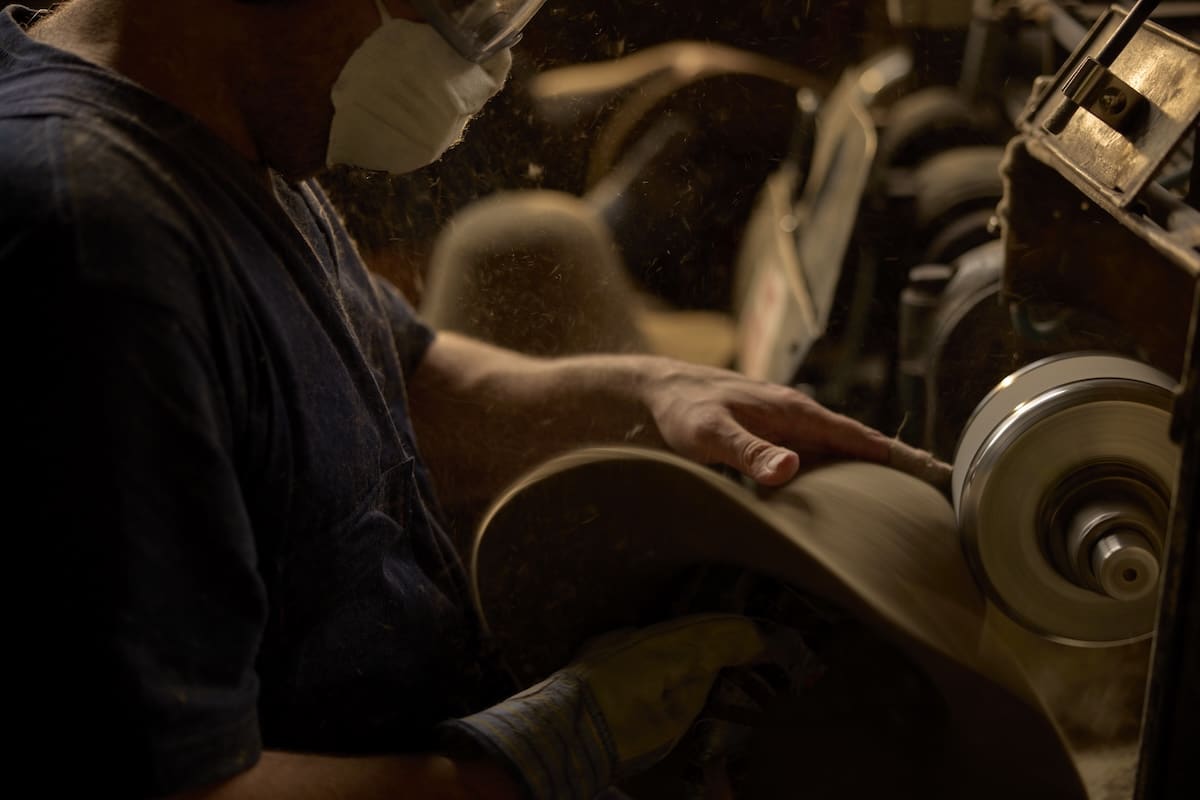 The future of Akubra is about protecting what the company has built.
The changes we make to our process and our product are careful and considered. If you don’t evolve, you get left behind.
The 162 steps our craftspeople follow today are the same 162 steps that have always defined an Akubra. But how they do it, and the conditions in which they do it, have changed considerably over the decades. We have improved safety across the workshop in ways that set up the business up for future success, by ensuring our people are our greatest priority. And we are actively building a pipeline of future craftspeople through training and on-the-job development because we know that the moment we stop investing in the next generation of hatmakers is the moment the craft starts to die.
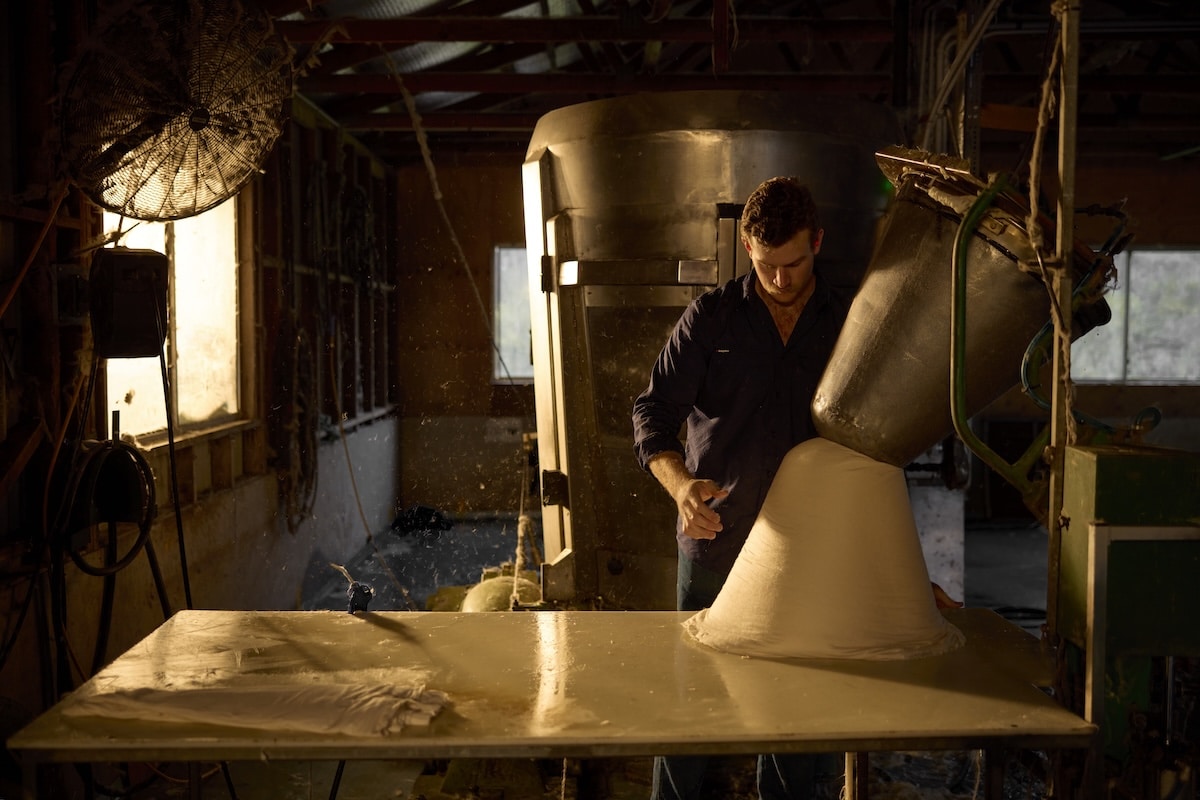 For 150 years Akubra hats have been part of some of Australia’s most defining moments.
Every Akubra tells a story. And every one of those stories starts in Kempsey.
Our Kempsey workshop isn’t just a workplace, it’s a community. And that sense of community is woven through everything we make and everything we are. Akubra has called Kempsey home for more than 50 years and we employ around 120 people in a town that feels so personal. That matters to us. It has to.
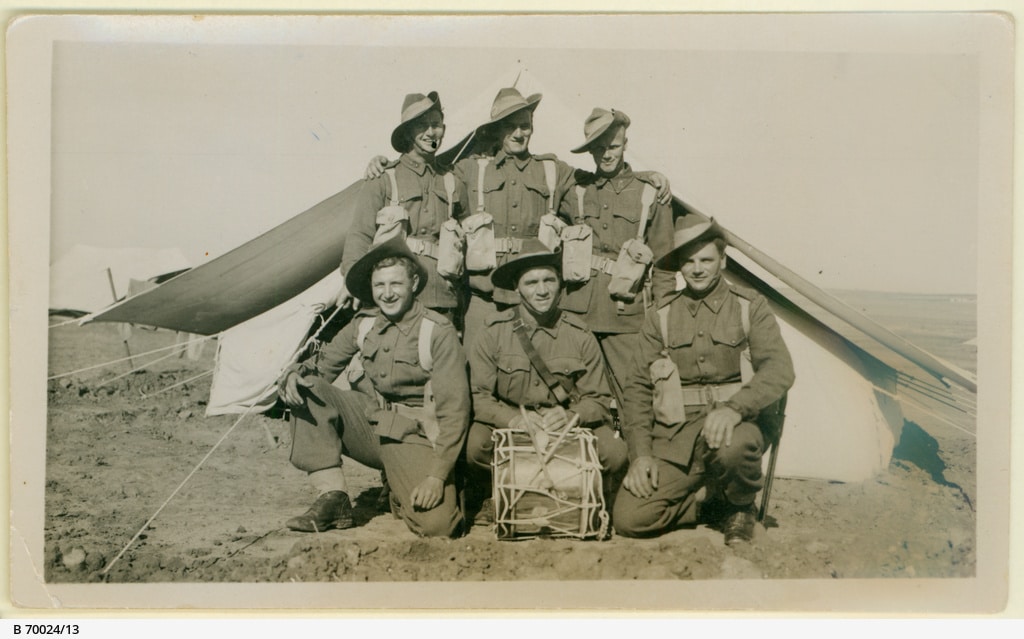 Australian soldiers who served in the 3rd Light Horse Brigade at Tobruk during World War I: Harry Smith (WA), Smokey [Ron Searle] Colin Murn (SA) Poss Hardy (SA) Popeye Collis (WA) Ray Harrison (SA).
Image: State Library of South Australia.Supporting manufacturing in a regional location isn’t just about giving someone a job. A job in a capital city comes with infrastructure, options, and proximity. A job in Kempsey is something different. It’s a career that can last a lifetime and for many of our craftspeople, it has. We have local workers who have dedicated twenty, thirty, even forty years of their working lives to passing down generations of skill and craftsmanship.
I am deeply passionate about keeping authentic Australian manufacturing alive here because I have seen firsthand what it means to this community. Supporting Kempsey means supporting families and ensuring that regional Australia continues to thrive through industries that value hard work and heritage. Our people care deeply about their craft, and it shows in the product that Australia wears with pride.
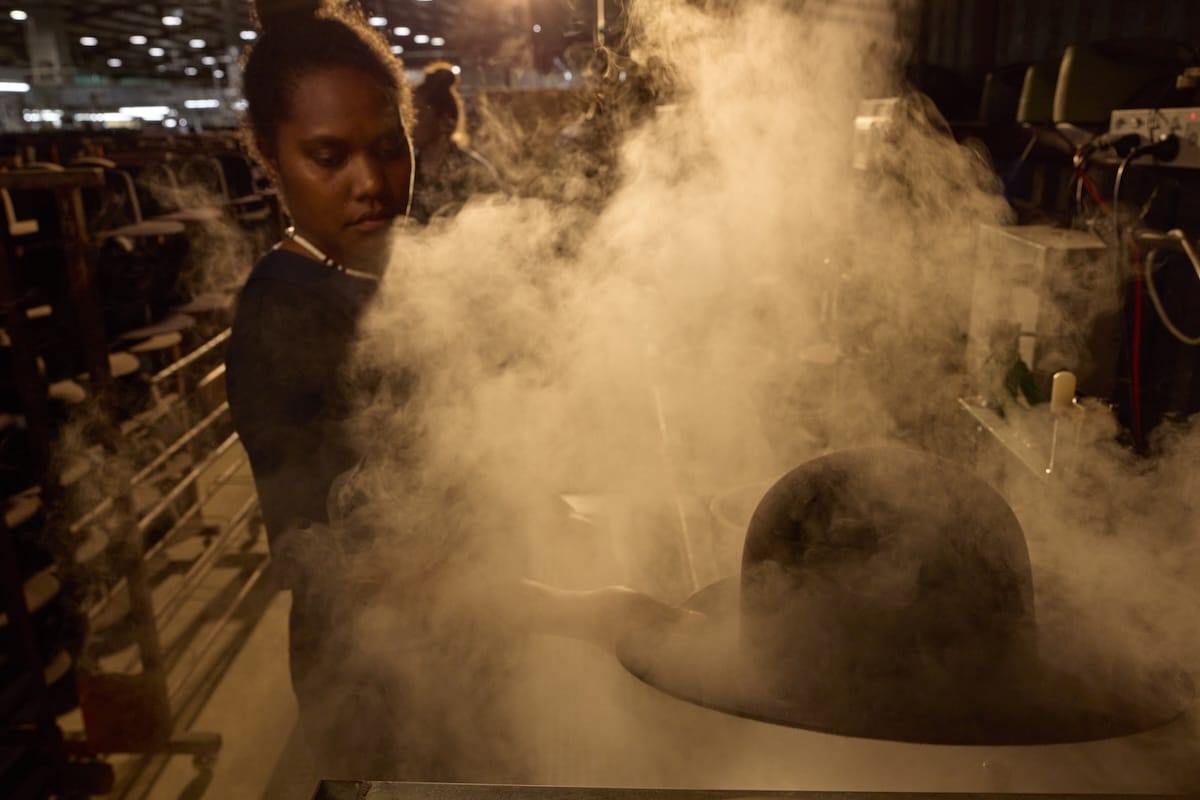 162 meticulous steps and six weeks are required to make a single Akubra hat.
That kind of pride doesn’t live in a manual or in automation. It lives in people.
The future of Akubra isn’t about changing who we are; it is about protecting what we have built and the people who have built it, ensuring that the generations of skill on our workshop floor continue to have a home for the next 150 years.
So, when we reflect on the evolution of manufacturing, sometimes success isn’t measured by the pace of change. It’s found in the quiet persistence of a workshop floor that looks much the same as it did a generation ago, where the same care is taken, the same skills are practised and the same pride is felt in every hat that comes off the line.
That is where time stands still. And at Akubra, I would argue, it’s exactly where it should.