

Updated August 21, 2026 — 3:45pm,first published 11:03am
Save
You have reached your maximum number of saved items.
Remove items from your saved list to add more.
AAA
Investigators are examining how two Qantas flights at Sydney Airport were given clearance to take the same route on a taxiway on Tuesday.
The incident is the fourth in the past four weeks at the airport, where shortages of air traffic controllers in its tower are being blamed for frequent delays.
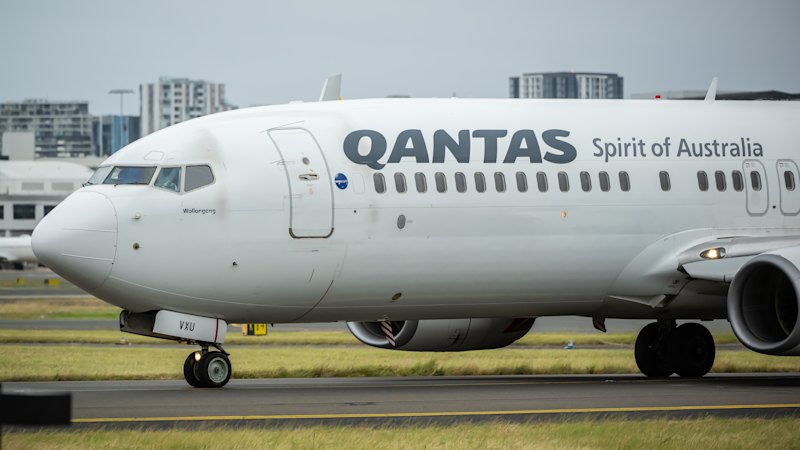
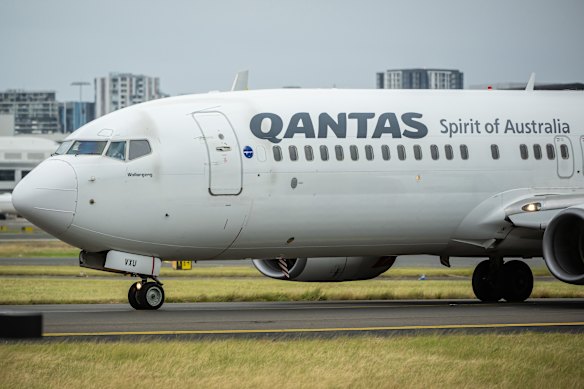 A Qantas 737 at Sydney Airport in a file photo.Wolter Peeters
The Australian Transport Safety Bureau said a Qantas 737 arriving from the Gold Coast was heading west on the ground and had clearance to turn right.
At the same time, a Qantas Airbus A321 preparing to depart for Melbourne also had clearance to turn, which would have put it in the other plane’s path.
“As the Airbus approached … the crew observed the Boeing approaching from the left and stopped the aircraft,” the bureau said.
Related Article
Scrutiny over the operations of air traffic controllers has increased in the past month, following a series of incidents primarily at Sydney Airport.
The safety bureau is also investigating a runway incursion and a rejected take-off of Virgin Australia flight VA555 from Sydney to Perth and Qantas flight QF728 from Sydney to Ayers Rock Airport on August 9.
On the same day, a Jetstar A320 almost collided with a Qatar Airways Boeing 777. That incident was initially described as a near collision, although the bureau later called it a “proximity event”.
On the latest investigation, on August 18, the bureau said: “The evidence collection phase of the investigation will involve interviewing involved air traffic controllers and flight crew, retrieving and reviewing available recorded data, and the collection of other relevant information.”
The bureau said in a statement it would look at the instructions given to flight crews and whether there were common factors with the spate of other incidents at Sydney Airport.
There was no immediate risk of collision, it said, as the Qantas A321 aircraft was braking normally before coming to a stop. The bureau classified the event as a safety “incident” rather than a “serious incident”.
It will conduct an investigation “to understand the potential conflicting instructions to the flight crews and whether there are any contributing factors common across the other Sydney Airport incidents currently under investigation”.
A Qantas spokesperson said: “Our aircraft was cleared to proceed following instructions from air traffic control and we will support the ATSB in the investigation.”
Airservices Australia, the government-owned body in charge of air traffic control, said it reported the August 18 incident to the bureau as “involving a potential traffic conflict between two Qantas aircraft taxiing on the ground using the taxiway system”.
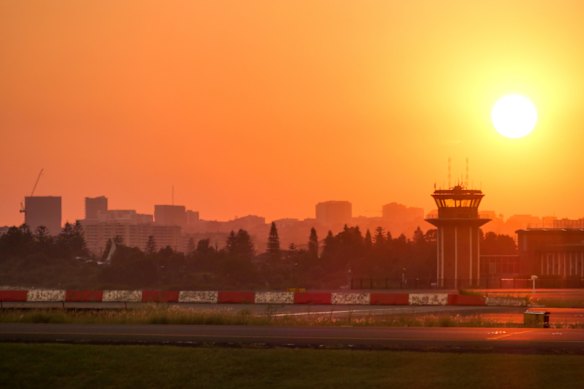 The smooth operation of Sydney Airport’s tower has been the source of concern from the airline industry, which has complained about regular delays at the major airport.iStock
Airservices described the report as part of its safety management system process.
”As with all reported occurrences, we will provide the bureau with all relevant information and act on any findings arising from its investigation,” an Airservices spokesperson said.
“The recent ground traffic incidents currently under investigation by the bureau involve a range of circumstances, and each incident is being investigated on its individual facts.
Related Article
“Airservices will continue to review operational events and take any action required to maintain safe operations.”
The smooth operation of Sydney Airport’s tower has been the source of concern from the airline industry, which has complained about regular delays at the major airport.
Some air traffic controllers have expressed concern over increased workload related to the opening of Western Sydney International.
On July 27, a QantasLink flight and a Qantas flight were involved in a near miss on the tarmac in Sydney.
The incidents have raised concern about the staffing at Sydney’s air traffic control tower, which is under increasing pressure.
Airservices said that in 12 months to July 2025, the bureau had received more than 14,600 aviation notifications from across the industry. Airservices submits multiple reports to the ATSB daily “as part of regular operational procedure”.
University of Sydney professor Rico Merkert said for many instances involving towing vehicles or activity on the taxiway, the impact of an incident potentially “wouldn’t be that large”.
“But having said that, recently there have been at least a couple, where the impact would be actually quite significant.”
Deploying more sensors helped decision-makers focus on keeping planes safe, Merkert said. “The closer you get to the gate, the more you can automate the decision-making.
“I think the lot can be done there to improve the current processes and make it easier for the decision maker.”
The Business Briefing newsletter delivers major stories, exclusive coverage and expert opinion. Sign up to get it every weekday morning.
Save
You have reached your maximum number of saved items.
Remove items from your saved list to add more.
 Chris Zappone is a senior reporter covering aviation and business. He is former digital foreign editor.Connect via X, Facebook or email.From our partners