
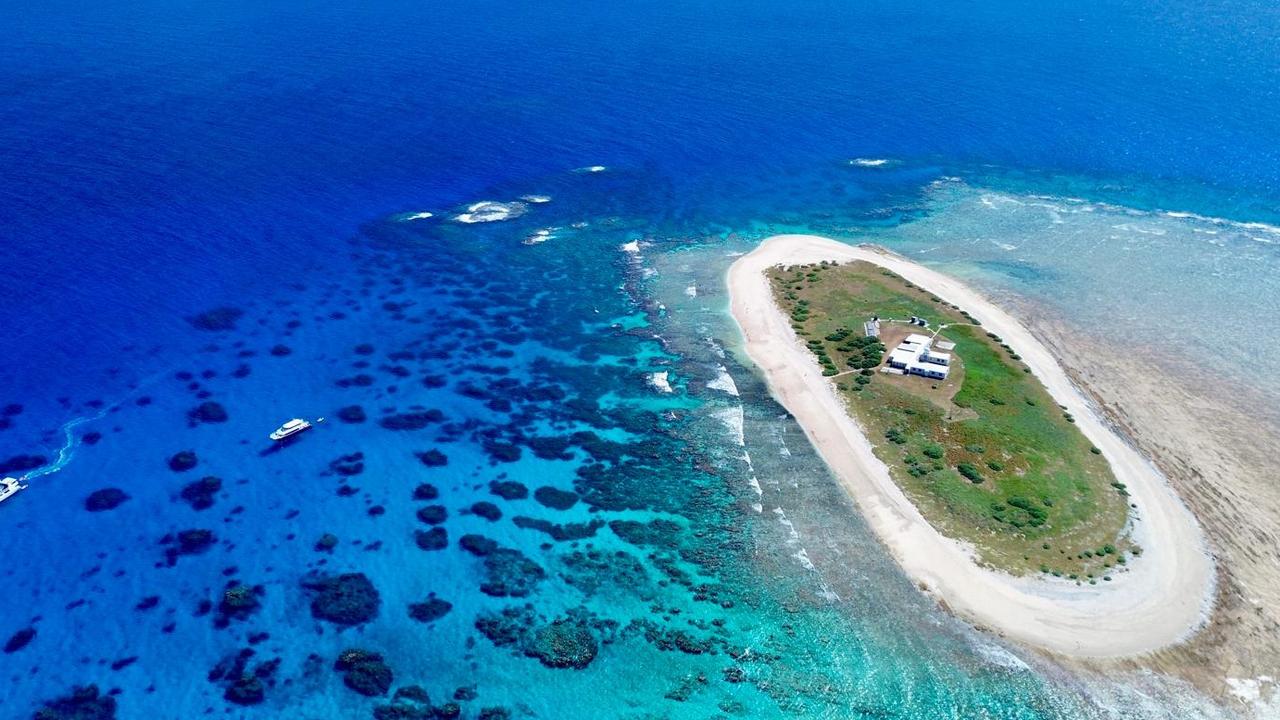
A small island in the Coral Sea is getting into a million-dollar fight against weeds to help protect thousands of native seabirds from H5 bird flu.
South Islet, also known as Willis Island, sits 470km east of Cairns and is a vital breeding ground for sooty terns, brown noddies and wedge-tailed shearwaters.
But invasive weeds like Mossman River grass, dwarf poinsettia and cat’s whiskers have taken over a third of the island.
The federal government is now spending more than $1m to help seabird populations before the deadly H5 avian influenza hits local shores.
Parks Australia staff have been working on the island for the past two months to remove weeds and trial different methods of revegetation.
Australia’s Threatened Species Commissioner Dr Fiona Fraser said the project will give them the best chance of withstanding future challenges.
“Preparing for H5 bird flu is about more than being ready to respond to detections – it’s about ensuring our populations of native species are in best possible shape,” she said.
“These projects will reduce existing pressures on wildlife that impact population health, including removing weeds from choking nesting habitat.
“Building strong and healthy populations is the best way we can help threatened species withstand and recover from potential impacts should H5 bird flu establish in Australia.
“By tackling threats that endangered species already face, we are not only preparing for the possible spread of H5 bird flu but also delivering enduring conservation benefits for years to come.”
This is one of two ecological projects underway on islands in the Coral Sea Marine Park.
The other is on Bird Islet at Wreck Reefs in the southern Coral Sea Marine Park, addressing areas of couch grass, green amaranth and nightshade that are threatening seabird nesting sites.
In May, an expedition team of Parks Australia officers, Indigenous Rangers from Mandubarra Indigenous Land and Sea Inc., and contractors spent 15 days working on the island, with the assistance of Bureau of Meteorology staff based on the island, removing weeds and trialling different methods of revegetation.
A second team returned at the end of July to continue work, and have just returned to the mainland.
The South Islet Ecological Restoration Project, funded by an Albanese Government investment of more than $1 million.