
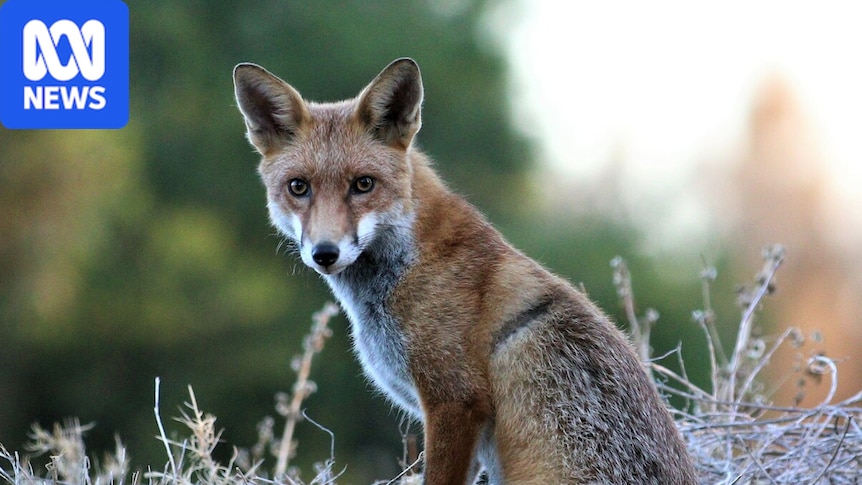
South Australian authorities say they have five new suspected events of bird flu in the state, including a red fox in Osborne in metropolitan Adelaide.
SA’s Department of Primary Industries and Regions (PIRSA) included the fox in its latest bird flu update that detailed five new suspected bird flu “events”.
Samples have been sent to a national testing facility in Geelong for confirmation.
Other affected species reported today included at least one Australian raven at Robe, little penguin at Southend, greater crested tern at Coonalpyn and Pacific gull on Kangaroo Island.
PIRSA said reporting was now based on events, which may involve one or more animals.
More than 300 infection events have been recorded across the country since the first case was detected in June, with South Australia having the most at 195 confirmed events.
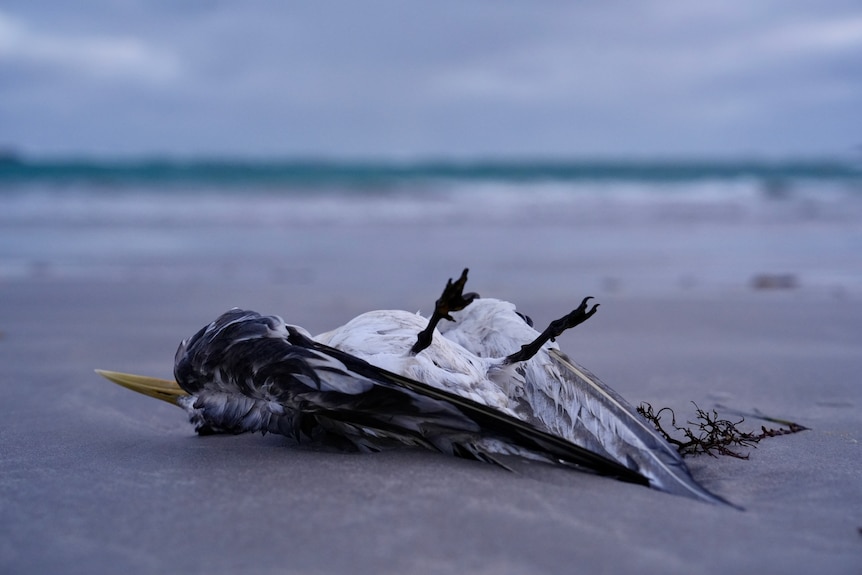
Greater crested terns in Australia have been infected with H5 bird flu. (ABC News: Carl Saville)
H5N1 is an influenza virus and has been known to infect birds and mammals, including pets. It has not been detected in Australian commercial poultry.
Dr Patrick Finnerty, a conservation ecologist at the University of Sydney, said red foxes were scavengers which could shed the virus for days.
“This is particularly relevant because scavengers are mobile. A fox feeding on a seabird carcass isn’t restricted to the beach where it found it,” he said.
“Animals can also physically remove parts of carcasses and consume them somewhere else. This means a carcass can connect species and habitats that would otherwise have relatively little direct contact.”
Vaccination for birds
Efforts to protect native birds held in captivity have begun at conservation sites around South Australia, with Cleland Wildlife Park to vaccinate around 30 species in its aviaries with federally approved vaccines.
Phillip Island’s penguin population in Victoria is also undergoing a vaccine program, however SA’s penguin colonies are unlikely to be vaccinated.
Renee Daniels, one of the operators of Penneshaw Penguin Centre on Kangaroo Island, said vaccinating the creatures against bird flu would be “complex” because the birds were not microchipped.
Ms Daniels told 891 ABC Adelaide they have increased monitoring at the facility.
“We’ve installed some foot washing stations, some foot scrubbers in, to try and prevent the spread as much as we can, but there’s really not a lot else we can do, they’re wild birds at the end of the day,” she said.
Birds require two doses of the vaccine and need to be monitored for adverse reactions following the first injection.
If you see a sick or dead bird:Do not touch it.Take note of the location and, if possible, take photos.Report it to the Emergency Animal Disease Hotline: 1800 675 888.