
As LIV Golf closes out the 2026 season, which encompassed events across ten countries and five continents, I have spent a lot of time thinking about where the league has been — and even more time thinking about where it can go.
I was not here when LIV Golf launched, but the ambition was clear: create something new, provide more opportunities for players, bring elite golf to markets around the world that wanted more of it, and ultimately help make the game bigger and better.
That ambition disrupted the game, and at times divided it. The past few years has challenged everyone in professional golf. The game now stands at an inflection point, and the opportunity in front of us is extraordinary.
More people are playing golf around the world than ever before. International demand for elite competition continues to grow. The Ryder Cup has demonstrated the power of teams, identity, and belonging. The World Cup has shown what can happen when a world-class sport meets national pride. And LIV Golf has offered a glimpse of what is possible when you bring all of those concepts together.
The next generation of fans is young, diverse, and socially connected. They want elite competition and superstar talent alongside entertainment and community. These are the world’s future viewers of broadcast, buyers of merchandise, and attendees of events around the world.
The facts are on our side. Over my first two seasons, working alongside an all-star management team, we’ve delivered remarkably consistent performance across our events, audiences, and commercial momentum.
We’ve set new national attendance records for golf events in both Australia and South Africa, welcoming 115,000 fans at LIV Golf Adelaide and more than 100,000 fans at LIV Golf South Africa. As a result, our events have generated over $1.5B in global economic impact since LIV Golf launched. That translates into lasting value for the communities we visit, supporting hotels, restaurants, local businesses, jobs, and tourism.
Our audiences also extend far beyond the course, reaching 950 million households in more than 200 countries and territories through more than 20 global broadcast partners. And we’ve brought new audiences into the game, with 36% of attendees experiencing their first golf event, 41% under the age of 45, and 35% female.
And as we returned to Indianapolis last week to close out the season, we surpassed our total attendance across all 14 events in 2025 — doing so in just our 12th event in 2026.
At the same time, world-class brands are looking for truly worldwide platforms, with sponsorship growing nearly 60% this year, on top of 300% growth the year before. In less than two years, we have welcomed global brands including HSBC, Rolex, Salesforce, Qualcomm, PING, Callaway, Under Armour, Celsius, and more. We’ve also generated record premium hospitality revenue, selling out Club 54, our premier VIP experience, at every event.
This growth demonstrates a pattern of performance that gives us enormous confidence in where this business is headed. It also extends beyond the business and onto the course. For the first time this year, LIV Golf players began earning OWGR points, creating another pathway to the majors and marking an important step forward for the game.
There is still more work to do, but in conversations with many of the guardians and stewards of the game, I sense a growing desire across golf to move beyond the friction of the past and focus on what we can build together. The opportunity now is to think bigger about what professional golf can become and what we want the game to look like over the next 25 years.
LIV Golf wants to be part of that future, and our philosophy is simple: complete, not compete.
Golf doesn’t need one tour to lose for another to win. There are a number of great tours around the world serving different markets, players and fans, and competition between them can make the game stronger.
We believe the best players should have greater flexibility to compete across platforms when they are eligible and when their participation strengthens the field. We also believe players outside LIV Golf should have meaningful pathways into our league.
Our goal is to contribute something distinctive that makes the broader ecosystem stronger: more markets, more young and global fans, more sponsors, more opportunities for players, and more great golf.
That belief is shaping the next chapter of LIV Golf.
The league we are building toward will be fundamentally different from the one that launched four years ago. We are working toward a structure in which players are not simply competing for LIV Golf but have the opportunity to own it. Players can hold equity in what they are building, regain a majority of their commercial rights, participate in teams that become real businesses with real assets, and compete for some of the most significant earning opportunities in professional golf.
That creates a fundamentally different relationship between the league and its players, aligning both around the long-term value they create together.
We are also doubling down on the elements that have proven to be most successful.
Teams and national identity will sit at the center of the model. Our vision is a schedule built more harmoniously around the global golf calendar, including five marquee team events across the five continents where we play and five additional team events, predominantly in the U.S., positioned around the major championships. We want LIV Golf players to have every opportunity to compete and bring their talent across the professional game when they are eligible, and we will ensure they have access to other high-quality events if those options are not available. The first phase of LIV Golf required enormous ambition and investment. The next also requires commercial discipline.
That is why our investor process matters. We have received a signed term sheet from a lead investor and have commitments from additional limited and strategic partners. They have spent meaningful time examining this business, and they see what we see: a world-class sports and entertainment experience, record crowds, growing sponsorship revenue, sold-out premium hospitality, and expanding broadcast audiences.
With that said, outside capital brings more than just funding; it validates LIV Golf as a league with a compelling proposition and a future others want to help build. The right partners will bring expertise, relationships, accountability, and the resources to help turn LIV Golf into a sustainable business within the ecosystem for the long term.
Our vision for the future of golf is built around cooperation. That doesn’t require everyone to agree on every issue. It doesn’t require every tour or event to look the same. And it certainly doesn’t mean competition disappears. Competition is good for sport, and that competition can coexist with cooperation.
We are not asking anyone to choose between LIV Golf and the rest of the game. We are asking a much simpler question: Can LIV Golf add something valuable to the sport? Today, the evidence is increasingly clear that the answer is yes. LIV Golf adds the next generation of fans, younger, more socially connected, and diverse.
Our responsibility is to take what we have built, learn from it, and make it stronger.
Not to compete with the game, but to complete it.
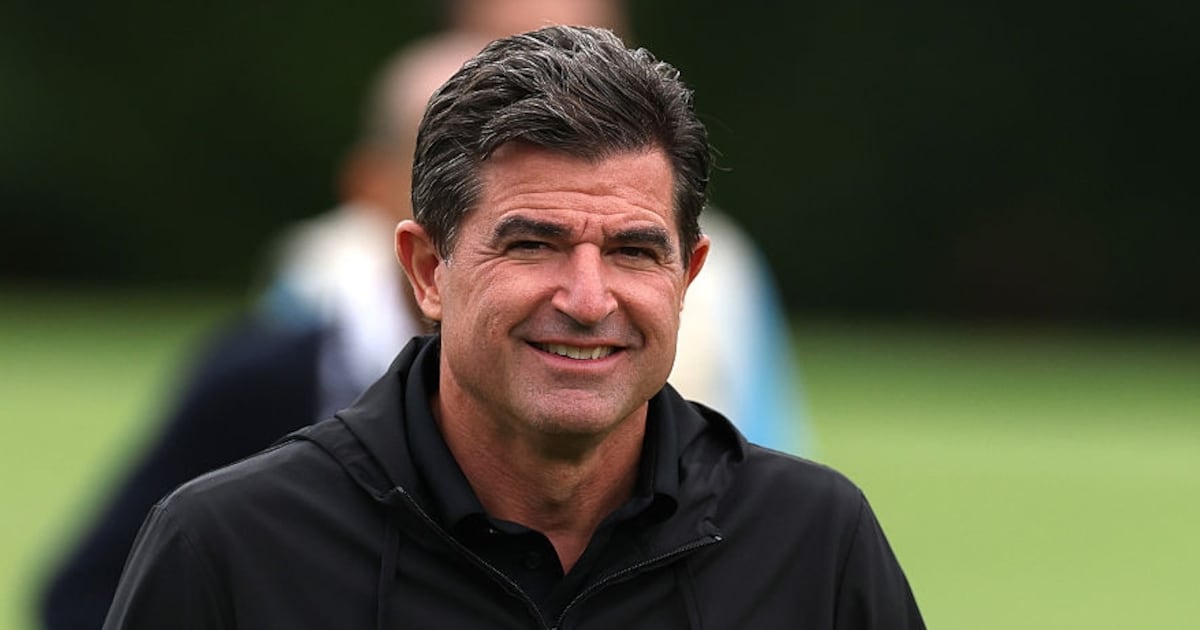
Scott O’Neil is CEO of LIV Golf.