
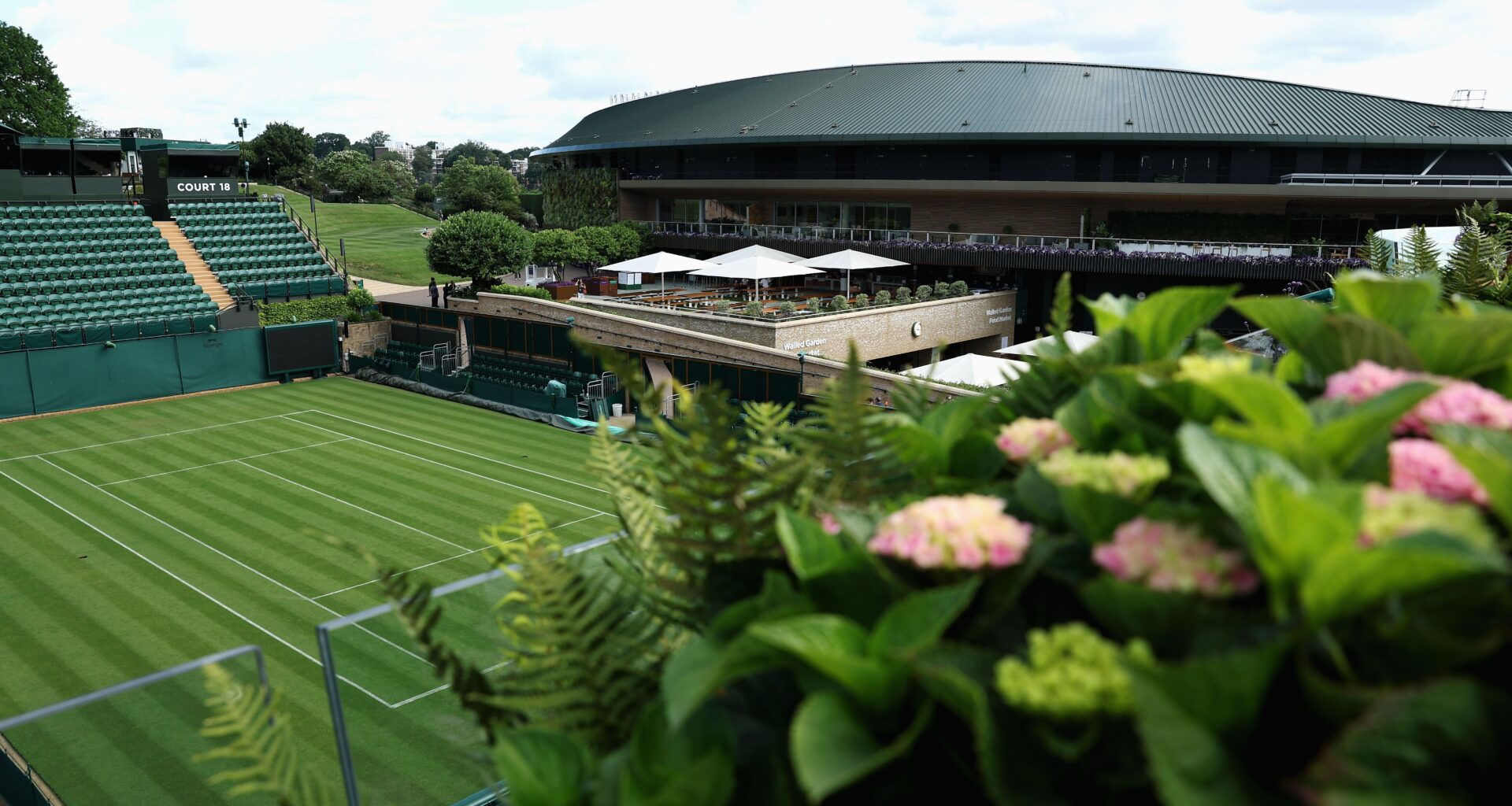
A New York City tennis permit costs $100 and arrives in the mail about three weeks later. From the first Saturday in April through the Sunday before Thanksgiving, it buys access to roughly 500 public courts shared by 8 million people. The rest comes down to a paper sign-up sheet taped to a fence at 7:30 a.m. and the man on court 3, who is 90 minutes into a singles match and has yet to look up.
The court scramble has intensified because tennis is having one of its periodic fits of glamour. Luca Guadagnino put a love triangle on a hard court in Challengers. Zendaya finished the job in Loewe stilettos skewered with tennis balls and a racket-print skirt for the London premiere. Wimbledon released its largest retail collection yet. Nearly 10 million more Americans now play than in 2019, and investors, including Andre Agassi and Kim Clijsters, are backing Ballers, a racquet club built to feel like a night out.
While fashion can sell the uniform, it cannot manufacture provenance. The clubs in this guide were founded between 1868 and 1928, all but one before the international federation that now governs the sport was created. They staged national championships, preserved grass courts on land worth far more as real estate and gave royalty, industrial fortunes and champions a place to meet on nominally equal terms. A few have loosened around the edges. Newport lets the public book its lawns, while Forest Hills accepts applications from anyone prepared to ask. At the top, the gate still opens by personal introduction: Wimbledon requires four written endorsements, while Barcelona demands four sponsors in good standing. Tokyo does not grant permanent membership to foreigners at all. What is clear is that at these clubs, a fine backhand matters less than being known by someone already inside.