
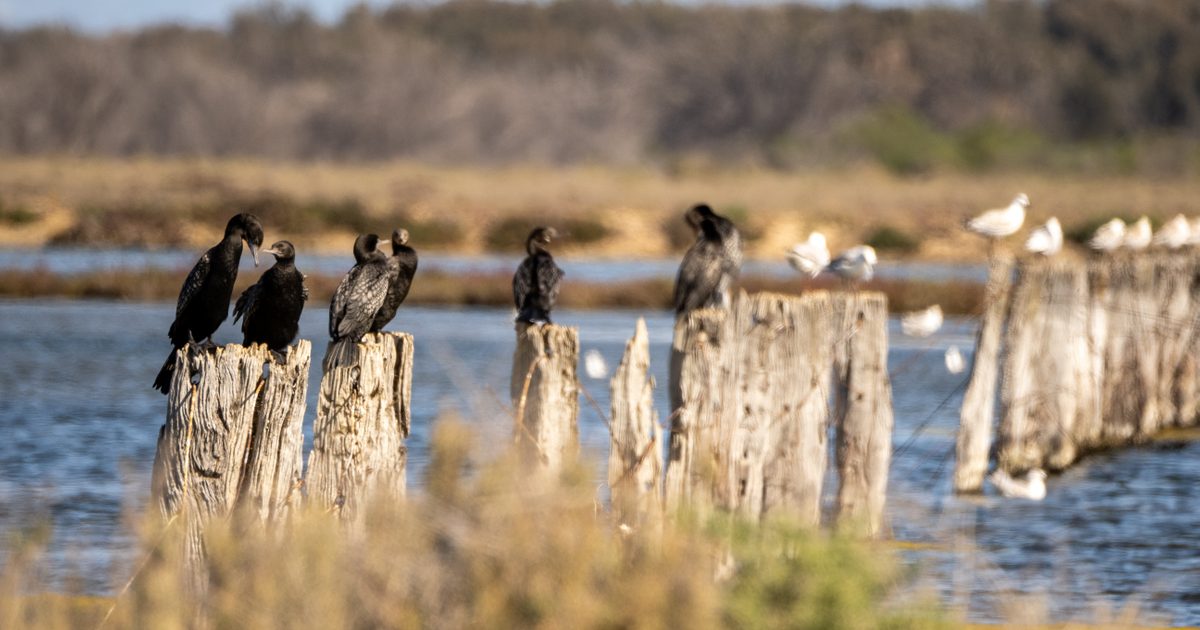
South Australia is home to some pretty spectacular birdlife – from pelicans and hooded plovers to magpies, honeyeaters and cockatoos.
With H5 bird flu affecting wild birds, it’s understandable to feel concerned. The good news is you don’t need to be a wildlife expert to help. By keeping your distance, knowing what to look for and reporting anything unusual, you can support the people working to protect our wildlife.
The risk to human health remains low, and there’s no need to avoid parks, beaches or other outdoor spaces simply because birds are present. So, keep enjoying nature – just remember to look, appreciate and give wildlife plenty of room.
Here are 5 things you can do to lend our feathered friends a helping hand.
1. Know what an unwell bird might look like
Not every sick or dead bird has H5 bird flu, but knowing the possible signs means you’ll be better placed to spot something unusual.
A bird affected by H5 bird flu might:
Have difficulty standing, walking or flyingLook droopy or unusually puffed upHave trouble breathingHold its head or neck in an unusual positionMove in an uncoordinated way or walk in circlesDie suddenly, particularly where several birds are affected.
You don’t need to get close for a better look. Observe from a safe distance and take note of where the bird is, what it looks like and how many birds are affected. Your powers of observation can provide useful information.
2. Remember: avoid, record and report
If you come across a sick or dead bird, resist the urge to touch, move or rescue it.
Instead, follow 3 simple steps:
Avoid
Stay back and don’t touch the bird, its feathers, droppings or nearby contaminated water such as small, enclosed water sources or ponds. Keep children and pets away too.
Record
Make a note of:
The location – a GPS pin, nearby road or landmark is usefulThe date and timeThe type of bird, if you know itHow many birds are sick or deadAny unusual behaviour or signs of illness.
If it’s safe to do so from a distance, take a photo or video.
Report
Report sick or dead birds and other wildlife to the 24-hour Emergency Animal Disease Hotline on 1800 675 888.
Early reporting helps authorities detect H5 bird flu, investigate possible cases and build a clearer picture of what’s happening.
Top tip: Save the hotline number in your phone now. Hopefully you won’t need it, but you’ll have it handy if you do.
3. Give birds space – and leave rescues to the experts
Seeing a bird in distress can tug at the heartstrings, but getting closer isn’t always the kindest or safest response.
Don’t attempt to collect or rescue a bird showing possible signs of H5 bird flu unless you’re authorised to do so. Sick or dead wildlife should be reported through the Emergency Animal Disease Hotline so trained responders can assess the situation.
You can still enjoy birdwatching, bushwalking and a day at the beach. Simply keep a respectful distance and avoid areas where there are clusters of sick or dead wildlife.
Binoculars are your friend here – you get a great view, and the birds get the space they need.
4. Keep pets away from wildlife
Dogs and cats can be curious creatures, particularly when there’s an interesting smell to investigate. But now is a good time to make sure that curiosity doesn’t lead them too close to wild birds.
Keep dogs on a lead in wildlife areas and don’t allow dogs or cats to touch or eat sick or dead animals. Keeping cats contained and preventing pets from roaming also reduces their chance of coming into contact with wild birds.
After visiting an area where birds gather, clean any visible dirt or bird droppings from your footwear. It’s also recommended to keep your pets food and water indoors and out of reach of birds.
If your pet has had contact with a sick or dead bird and becomes unwell, phone your private veterinarian for advice.
5. Keep wild birds away from backyard bird supplies
If you keep chickens, ducks, pigeons or aviary birds, good backyard biosecurity can help protect both your birds and the wider bird community.
Where practical, keep feed and water inside a shed or under cover so wild birds can’t access it. Provide fresh feed and water daily, keep feeding areas free of droppings and regularly clean equipment and replace nesting materials.
It’s also a good idea to:
prevent pet birds and poultry from mixing with wild birdswash your hands before and after handling birdsseparate different poultry species where possiblequarantine new birds for at least 2 weeks before adding them to your flockmonitor your birds for unusual illness or sudden deaths.
If your poultry or pet birds become unwell, contact the Emergency Animal Disease Hotline on 1800 675 888 or speak with your veterinarian.
Small actions can be a big help
H5 bird flu is a serious disease, but there’s no need to panic or stop enjoying South Australia’s great outdoors.
By keeping your distance, reporting sick or dead wildlife, managing pets carefully and practising good backyard biosecurity, you’ll be doing your bit to help protect our native birds.
The key message is simple: avoid, record and report.
For the latest South Australian information and advice, visit the South Australian bird flu website. For national information, visit the Australian Government’s bird flu website.