
These findings suggest that assessing osteoporosis before surgery, monitoring bone density after surgery, and optimizing osteoporosis treatment may play important roles in improving long-term outcomes after RSA
Katsumasa Nakazawa
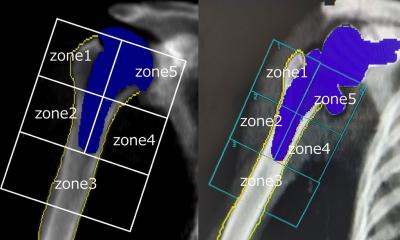
The results revealed distinct patterns of bone density change between the two procedures. In patients who underwent RSA, significant decreases in BMD over time were observed in certain regions around the implant stem. In contrast, patients who underwent aTSA showed decreased BMD during the period from three weeks to six months after surgery in areas below the humeral head, but with little further decline thereafter. Furthermore, in the RSA group, bone loss in the humeral mid-shaft region was significantly associated with osteoporosis. Both bone loss and osteoporosis also associated with a lower likelihood of achieving a clinically meaningful improvement in shoulder function after surgery.
“Our study showed that bone density around the implant after RSA declines over time, particularly in patients with osteoporosis,” said Dr. Nakazawa. “These findings suggest that assessing osteoporosis before surgery, monitoring bone density after surgery, and optimizing osteoporosis treatment may play important roles in improving long-term outcomes after RSA.”