
“This year in particular with the dry summer, wildlife has been and continues to be under pressure despite the recent rains and will need as much moisture and sustenance as it can possibly find,” McDaid said.
“What we’ve done in the past is we’ve said to people ‘you know picking a few blackberries is fine, but make sure you leave plenty for others and for nature’.
“This year, yeah, I think [we are] adding to that caution and discouraging it.”
He described bramble shrubs as a “valuable” food resource for blackbirds and other insect-eating birds, while breeds such as the willow warbler nest in amongst them.
Small mammals, such as mice and badgers, are also known to eat the blackberries grown on the shrubs.
He said: “The brambles themselves are a great pollinator, they provide flowers at a time of year when a lot of other flowers have gone over, so they’re great for the bees.
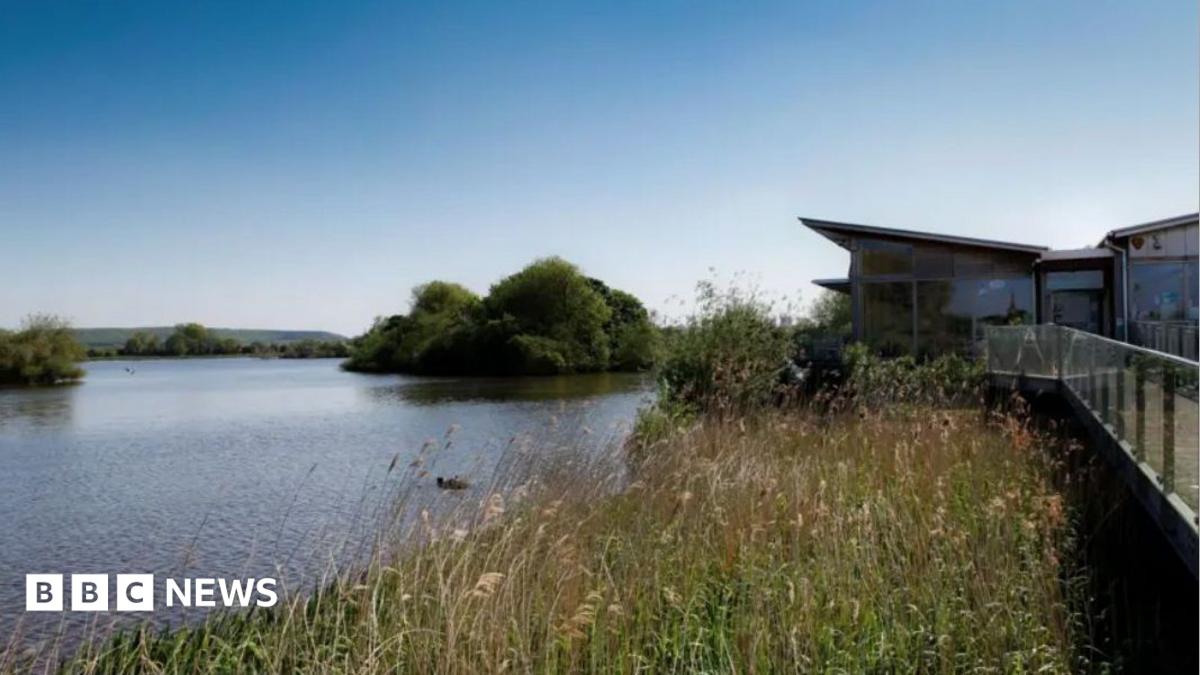
“We’ve not seen any issues specific to Attenborough but all wildlife will be under stress as a result of the very long hot summer.
“The issue really comes about because of the huge numbers of people that visit and enjoy Attenborough, which we absolutely want to encourage and that need to strike the right balance between the fact the site is a nature reserve, a site of special scientific interest, and ensuring wildlife has enough sustenance,” he added.