
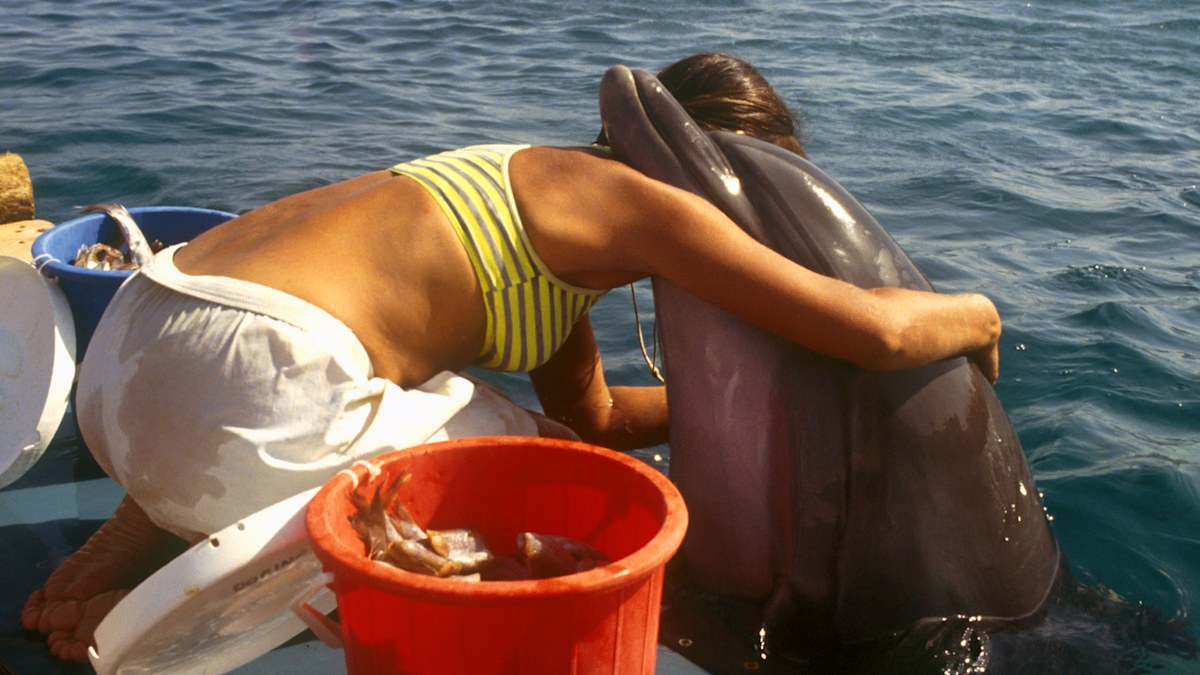
Tourists feeding wild dolphins could single-handedly push the species toward extinction twice as fast as would otherwise have been the case, according to new research.
The QUT-led international study focused on Indo-Pacific bottlenose dolphins in Bunbury, in Western Australia’s south-west.
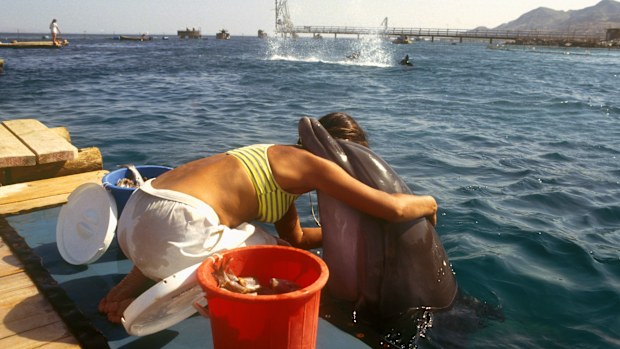
Scientists predict a WA population of about 350 dolphins could dwindle to just eight within the next 100 years. iStock
In the research, scientists predicted a WA population of about 350 dolphins could dwindle to just eight within the next 100 years.
While feeding wild dolphins is illegal in Australia, four locations have permission from state regulators to provide limited amounts of food for tourism.
QUT lead author Dr Valeria Senigaglia warned of the domino effect caused by human interaction.
“Feeding dolphins has been correlated with high levels of begging behaviour, [such as] approaching vessels for handouts, which leads to inappropriate food or injury, and the removal of bait from fishing gear that could lead to entanglement.”
She also says it can lower reproduction success and offspring survival.
“This is because the dolphins face many other stressors from climate change, recreational watercraft, disease outbreaks and possible algae blooms, oil spills and habitat degradation.”
Using 10 years of data, researchers modelled how the population could fare over the next century under a range of scenarios.
They examined differences between fed and non-fed dolphins, alongside the potential impacts of human-linked calf deaths, major oil spills, and outbreaks of morbillivirus – a highly contagious pathogen often described as the marine equivalent of measles.
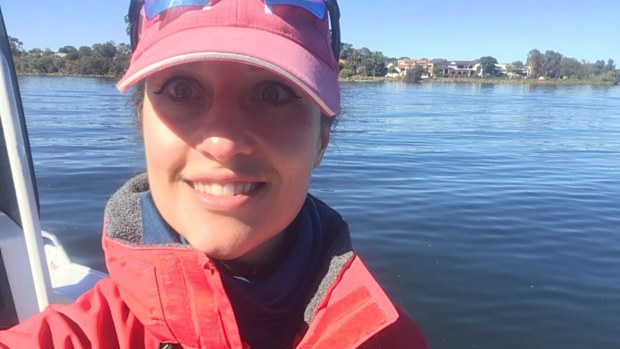
Dr Valeria Senigaglia warned of the domino effect caused by human interaction. Supplied
Under current conditions, the modelling predicted the population would fall from about 350 dolphins to just eight in 100 years.
Researchers found feeding was not the only contributor to the projected decline, and a morbillivirus outbreak would pose an even greater threat.
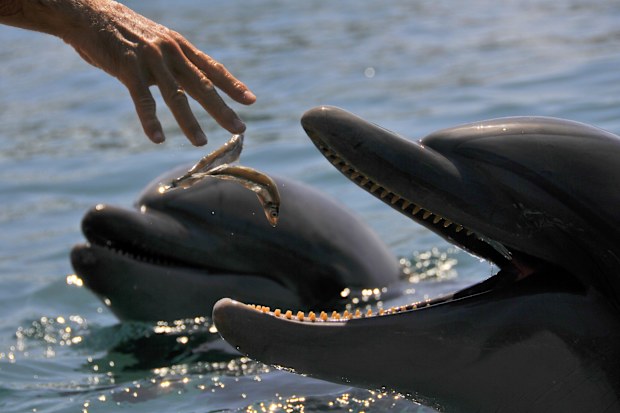
Senigaglia’s research suggested feeding wild dolphins could single-handedly push the species towards extinction far quicker. iStock
However, feeding compounded the decline and doubled the probability of extinction.
“Stopping this practice might increase dolphins’ resilience and ability to withstand other, more severe, stressors.”
Researchers also considered the potential impact if Bunbury adopted conservation measures similar to those used in Scotland’s Moray Firth.
There, protection efforts halved calf mortality and doubled local dolphin fertility by cutting out food handouts, establishing a large protective zone, and dialling back recreational and industrial water activity.
Researchers predicted those measures could increase the Bunbury dolphin population.