

Listen to this article
Estimated 3 minutes
The audio version of this article is generated by AI-based technology. Mispronunciations can occur. We are working with our partners to continually review and improve the results.
This November, Ottawa-based artist Michael Harrington was supposed to have his work displayed at the Ellen Miller Gallery in Boston.
That all changed after a conversation with a colleague at a Montreal gallery.
“She was just sharing her frustration with me because she was trying to sell a painting … valued at $10,000 to a customer in Illinois,” Harrington told CBC Radio’s All In A Day.
“The deal fell through because of this 50 per cent tariff, just the possibility of it. That painting would have gone from being $10,000 to $15,000, and no one is going to pay that amount of tax on a painting.”
Harrington’s work can be found in the collections of the Agnes Etherington Art Centre in Kingston, Ont., at the Canada Council Art Bank, and in numerous corporate and private collections in North America and Europe.
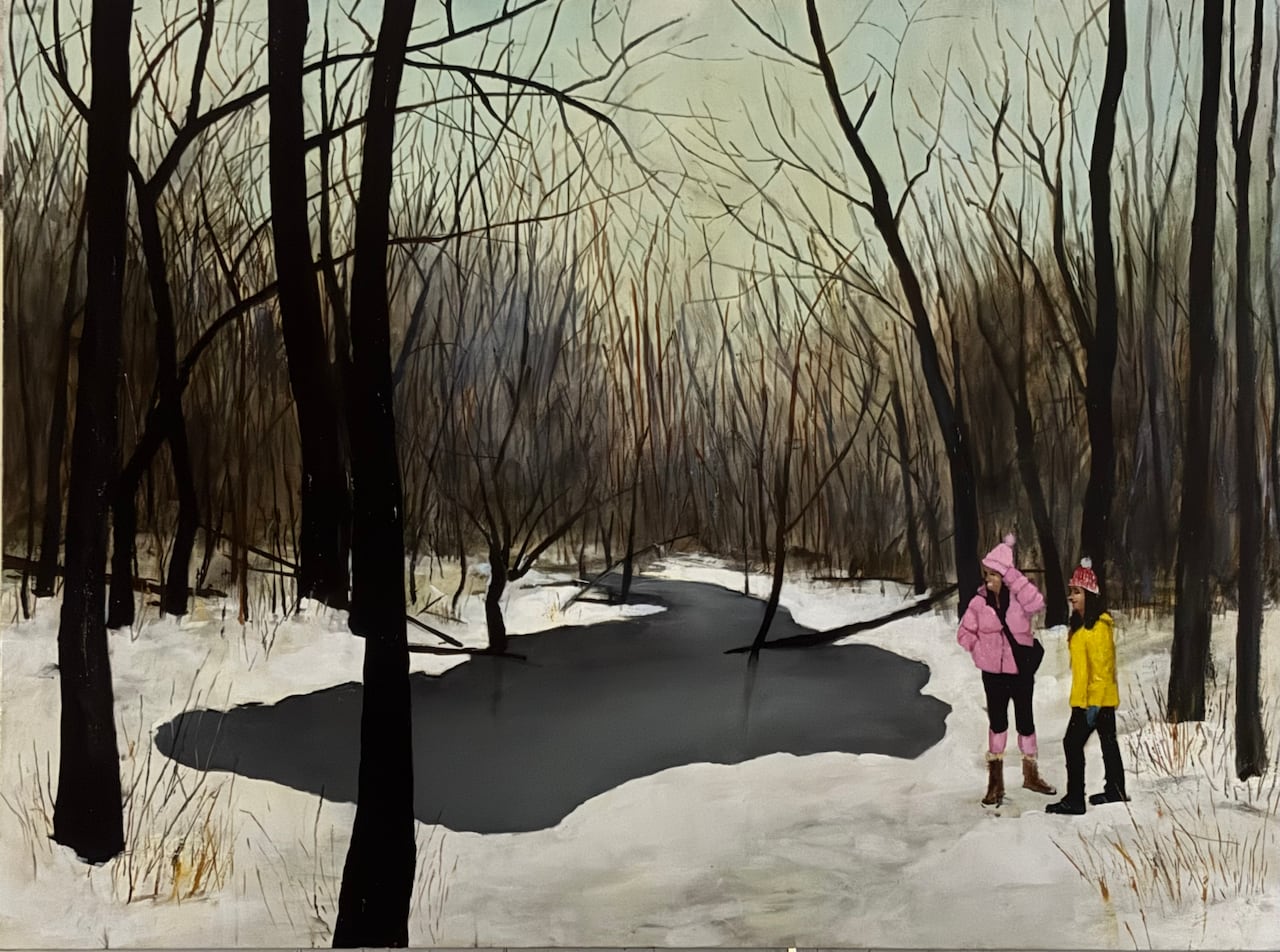 One of Michael Harrington’s paintings. Harrington said it’s ‘so important’ for artists to be able to participate in the U.S. art world through galleries, dealers and art fairs as it increases their exposure. (Submitted by Michael Harrington)
With a new exhibition coming up south of the border, and the threat of tariffs looming, Harrington started to do his research.
He also called his art dealer in Boston.
“She said, who has to pay that tariff, me or you? I said you,” Harrington recalled.
He said he explained to her that the tariff would apply as soon as the artwork crosses the border, not just when it’s sold. Putting the art in the gallery, he said, would have required her to pay 50 per cent of its price up front.
“I wouldn’t expect her to do that … it’s just too cumbersome and expensive,” he said. “We decided it’d be better to cancel it until all these problems are over.”
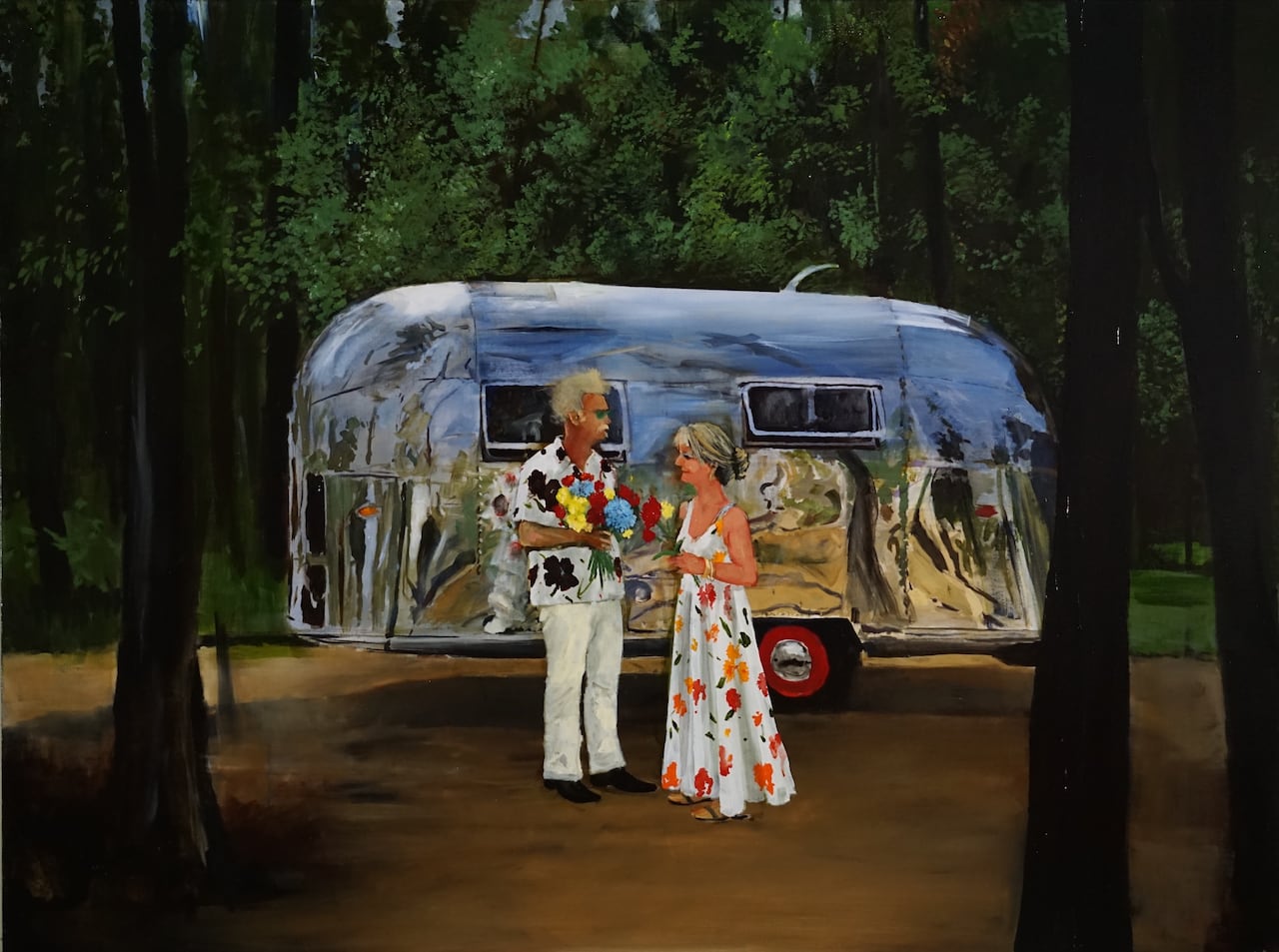 Another painting by Harrington. The current situation with the U.S. is ‘chaos,’ Harrington told CBC News. (Submitted by Michael Harrington)Feds need to take action: advocacy group
Art makes up about five per cent of Canada’s annual exports to the U.S., according to CARFAC National, a non-profit advocacy group for professional artists in Canada.
CARFAC National is warning that the tariffs will lead to more cancelled exhibitions, fewer sales, reduced opportunities and strained international collaboration.
“Unlike large businesses and corporations, individual artists don’t have the financial resources to absorb new costs associated with these tariffs,” wrote the group’s interim national executive director Jenna Faye Powell in a recent media release.
“This isn’t just an economic issue. The arts play a vital role in Canadian culture and society.”
CARFAC called on the government to take steps to support artists through the trade disputes.
One idea could involve foregoing HST on art, said Harrington. He said he reached out to Prime Minister Mark Carney’s office and was told his concerns were being forwarded to the minister of finance and the minister of trade.
“I was happy with at least that initiative to start with,” he said. “I know they have a lot on their plate.”
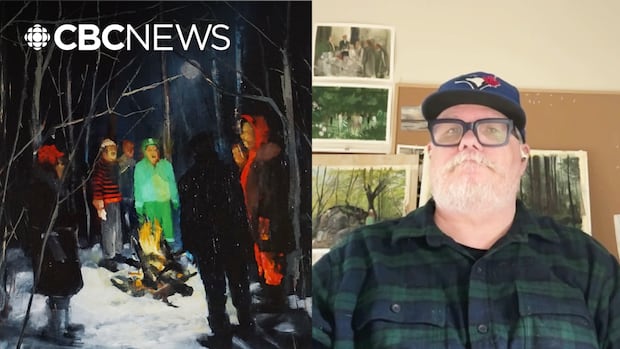
LISTEN | Harrington explains how he wrapped his head around new tariffs:
12:0450 per cent tariffs on Canadian art forces Ottawa artist to cancel upcoming Boston exhibit
Ottawa-based visual artist Michael Harrington has had to cancel his upcoming show in the United States thanks to recently implemented 50-per-cent tariffs on Canadian art by the Trump administration.