
BRILLIANT IDEAS CAN’T ALWAYS MAKE MONEY
Former business owners told CNA TODAY that aside from putting in immeasurable time and effort, what they learnt was that the best-intentioned ideas do not necessarily translate into successful ventures.
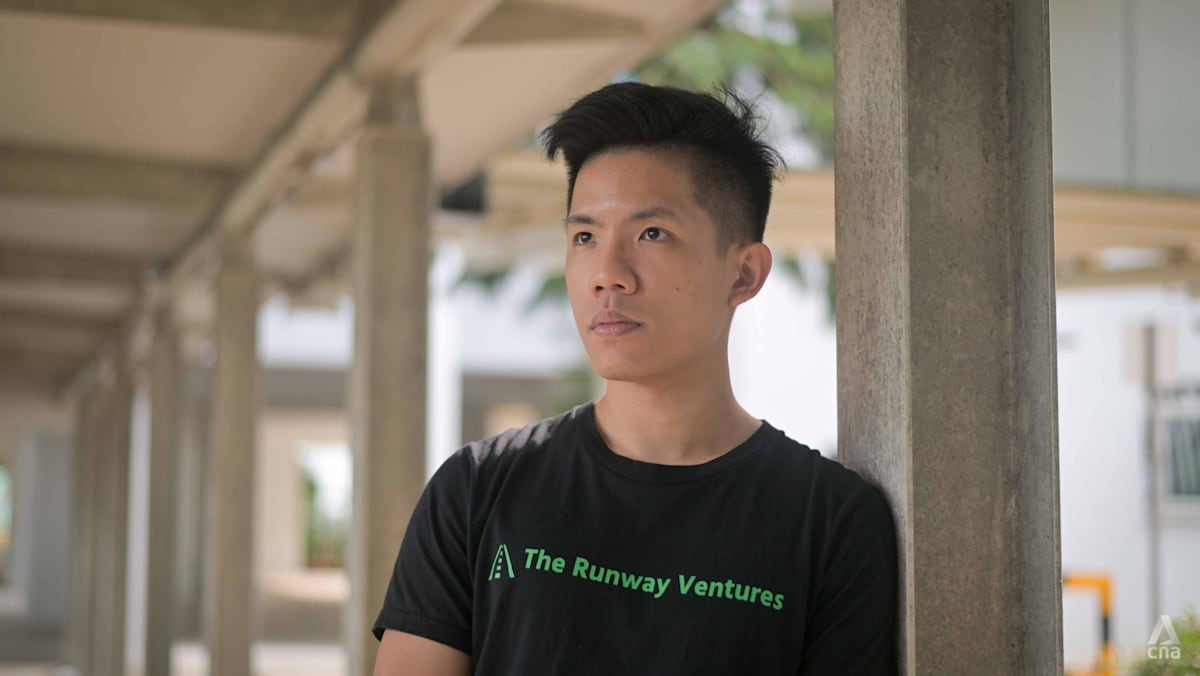
For example, Mr Cedrik Lim, 32, started uWave with three other co-founders in late 2019 as a fourth-year student at Nanyang Technological University. The app allowed students to track campus shuttle buses, generate their class timetables, check campus crowds, and served as a forum for students.
At its peak, he said about 90 per cent of NTU’s student population was using the platform. The company later expanded to the National University of Singapore, where it attracted several thousand more users, and raised US$260,000 in an early funding round.
“We realised that we cannot just focus on getting students to use the app. How are we going to make money?”
He added that while students thought uWave was useful, they were not willing to pay for the app. Furthermore, student activity also fell during term holidays, making usage seasonal.
The company later tried selling uWave directly to universities and eventually secured a paid pilot. But getting the pilot off the ground took about nine months – a punishing sales cycle for a young company that was continuing to burn through cash in the meantime.
Ultimately, the business wasn’t viable. He decided to close it in 2023.
“You build something that’s helpful for people, but if you can’t earn anything out of it, then there’s no business in it. It’s just a project,” said Mr Cedrik Lim.
For other fledgling businesses, securing investment can feel like a major breakthrough. But funding is only one part of building a profitable company.
Ms Lu’s health-tech company raised more than US$1 million in venture funding, but she said some aspiring founders, including herself, fail to appreciate the discipline required in spending capital and facing the challenge of turning that investment into revenue.
“If the money is not revenue, it’s borrowed money,” she said, adding that founders should build leanly towards clear revenue targets.
She added the other challenge was timing. While AI and AI-related products are now all the rage, Ms Lu said the company entered the AI space when the technology was still relatively nascent and unfamiliar to many consumers.
People weren’t used to AI in their healthcare products, so the team had to spend considerable effort educating the market.
“Being too early in the game sometimes is just not really that fun,” she said.